

7 Things Arizonans Notice the Week the Snowbirds Return to the Valley

You can feel the Valley change gears in mid-October, even before anyone says why.
The weather turns pleasant, and suddenly you’re sharing your town again.
Here’s what Arizonans notice when the winter crowd comes back.
1. Reservation Squeeze
Snowbirds and tourists clear out once the heat sets in, and several Valley kitchens close right along with them.
None of it is about the food.
The Farm at South Mountain shuts its Farm Kitchen counter for weeks and reopens by mid-September.
Ocotillo goes dark at the end of June and doesn’t come back until August.
Glai Baan disappears for roughly five weeks and returns in early September.
You call for a Friday table in July and get the pick of the room.
Not anymore.
Try that same call once the season turns, and you’re on a waitlist behind people who spent the summer somewhere else.
2. Plates You Don’t Recognize
Snowbirds don’t drive in from just one direction, and your grocery store parking lot proves it.
Alberta and Saskatchewan plates start showing up next to yours, and Sky Harbor’s flight schedule explains why.
Not by accident.
The airport confirmed a 25% jump in seasonal flights to Canada this winter, with WestJet flying 61 times a week into Phoenix.
That’s 17 more flights than last winter.
The Canada Arizona Business Council, a trade group that lobbies for closer ties between the two countries, estimates roughly 100,000 Canadian households land in the Valley once the season peaks.
You feel their spending before you ever spot a plate.
Direct Canadian spending in Arizona runs $1.4 billion to $1.5 billion a year, spread across healthcare, retail, food services, construction, transportation, and real estate.
Your favorite patio suddenly has a wait.
The 182-Day Clock
Canadian snowbirds don’t get to treat a Valley house like a second home indefinitely.
If you’ve noticed a snowbird neighbor always leaving by spring, this is why.
Federal rules cap a visit at 182 days, the standard six months every tourist visa allows.
The council is pushing Congress to stretch that limit to 240 days for retirees over 50, under a proposal it calls the U.S.-Canadian Snowbirds Act.
Nothing has passed yet, so the six-month clock is still the rule.
3. Longer Lines at Every Light
Snowbirds bring thousands of extra cars back to Valley roads every winter, and you feel it the moment Loop 101 backs up at an hour that used to be empty.
Your commute stretches out well before you ever see a crash statistic.
The Arizona Department of Transportation logged 121,107 crashes statewide in 2024.
Maricopa County accounted for nearly three out of every four of them.
An analysis of the state’s monthly crash counts found the peak of snowbird season running about 20% below Arizona’s worst month for crashes.
Drivers 65 and older make up close to a quarter of Arizona’s licensed drivers, yet they turn up in only about one in ten crash reports.
The extra cars don’t make the roads more dangerous.
They just make them slower.
4. Uncounted Guests
Snowbirds are the reason nobody has ever pinned down an exact winter headcount for the Valley.
Two Arizona State University economists, Stephen Happel and Timothy Hogan, spent an entire peer-reviewed study on the problem.
Their finding was blunt.
The U.S. Census never counts someone who only lives in a place for months at a time, not years, so Arizona’s seasonal population stays largely invisible to it.
You can watch your neighborhood fill back in without a single official number to point to.
5. Tee Time Crunch
A round that plays for under $50 in July can rise into the hundreds once the snowbird season gets underway, according to Golf.com’s course-by-course pricing.
Golf courses around the Valley run two different businesses depending on the month.
Premium layouts like Troon North and Tournament Players Club (TPC) Scottsdale push well past $200 a round once the weather turns and the crowds show up.
You could walk up to almost any course in August and tee off in ten minutes.
November closes that window.
You start calling ahead again, the same as other golfers who waited out the heat to play.
6. Dark House Next Door
Snowbird-owned houses sit dark across whole blocks of Scottsdale, Paradise Valley, and Surprise each summer, and you probably live near one.
Canadian buyers alone own tens of thousands of Valley properties, concentrated in those same cities plus Mesa, Phoenix, and Glendale, according to the Canada Arizona Business Council.
The blinds stay shut.
Nobody answers the door.
Then, each fall, a car you don’t recognize pulls into that same driveway, and the porch light comes back on.
You start waving to a neighbor you haven’t seen since spring.
Psst! How much do you know about snowbird season in the Valley? Take our quiz and see if you can ace it.
Quiz
Valley Snowbird IQ
Answer these questions on Arizona and its snowbird season. We bet you can’t get them all right. Prove us wrong?
More than how many people showed up for Sun City’s opening weekend in January 1960?
7. Seasonal Hiring Bump
Local businesses across the Valley staff up for snowbirds every winter, not just their tables.
The council credits Canadian snowbirds alone with supporting between 20,000 and 30,000 Arizona jobs, spread across healthcare, retail, food service, construction, transportation, and real estate.
That's a lot of hiring.
You'll spot the seasonal hires before you ever spot a name tag that explains one.
Some of those same seasonal jobs disappear again each spring, as snowbirds start heading back north.
Grocery stores, golf shops, and urgent care clinics all post help-wanted signs again around the same time each spring.
7 Arizona Trips Locals Refuse to Take Until the Heat Breaks
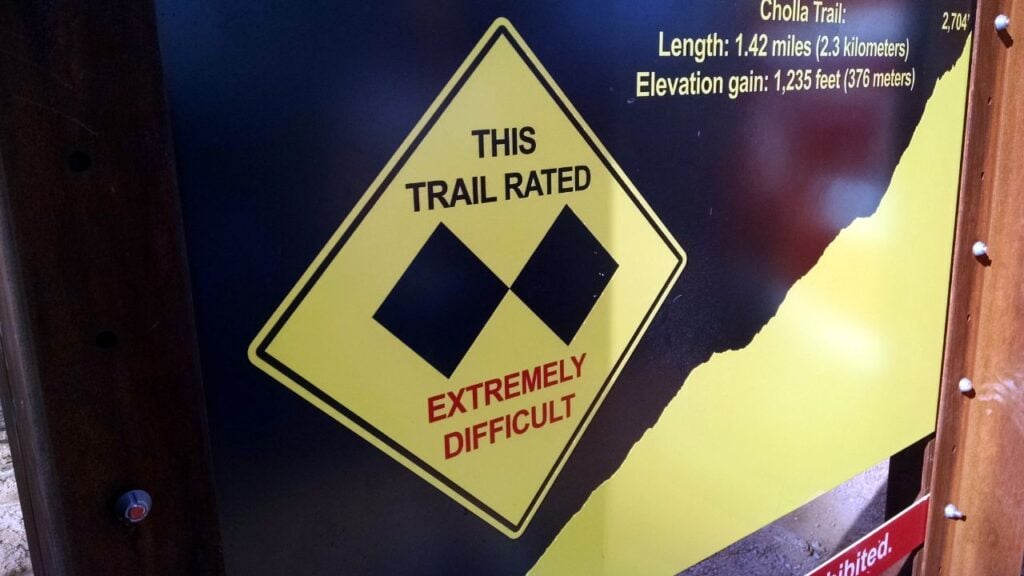
Maricopa County's medical examiner had confirmed 113 heat-related deaths by late August, with hundreds more still under investigation.
Arizonans already know which trips can wait for cooler weather, and which ones simply can't.
7 Arizona Trips Locals Refuse to Take Until the Heat Breaks
Arizona Leads America's Search for Pumpkin Spice Lattes. Are You Among Them?
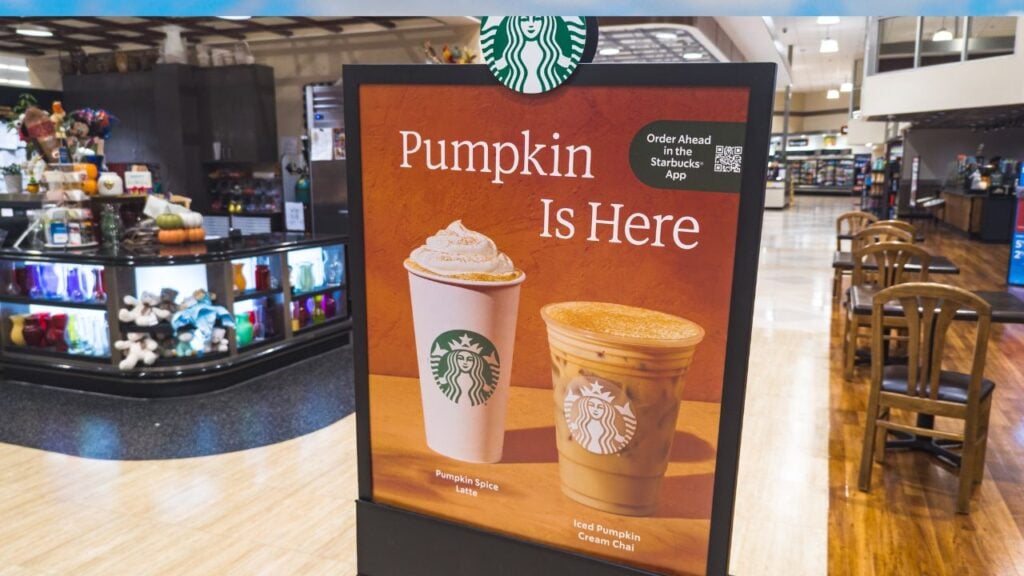
A new analysis of Google search trends found Arizona searching for pumpkin spice lattes more than any other state in the country.
The ranking says as much about the state's September weather as it does about anyone's taste in coffee.
Arizona Leads America's Search for Pumpkin Spice Lattes. Are You Among Them?
