
7 Things Every South Carolina Grandma’s Kitchen Had

It’s hard to leave a grandma’s kitchen hungry, and it’s harder to leave without a plate to take home.
With Thanksgiving this week, you might find yourself back in one, or wishing you were.
Here’s what every South Carolina grandma’s kitchen had.
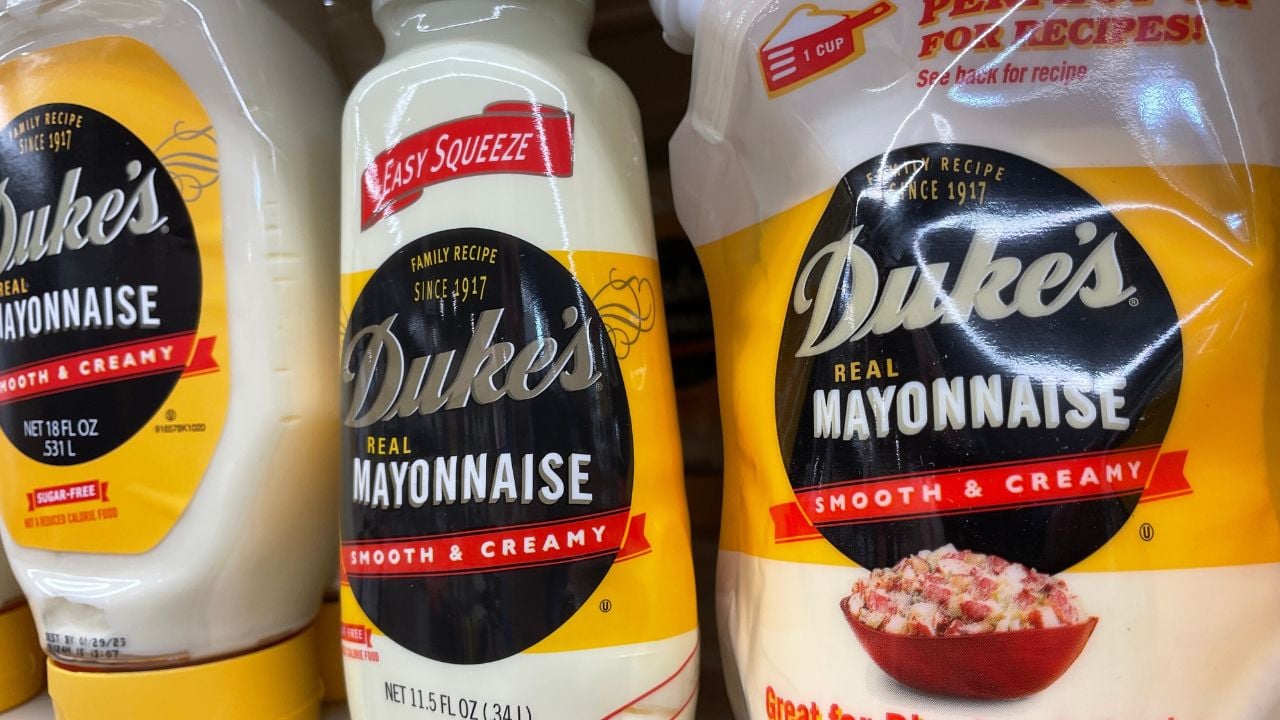
1. Duke’s Mayonnaise
Duke’s story begins around 1917 in a Greenville kitchen, according to the South Carolina Encyclopedia.
During World War I, she sold sandwiches to soldiers at nearby Camp Sevier.
Duke’s contains no sugar.
Then came the sale.
In 1929, she sold the business and her recipe to the C. F. Sauer Company.
Garden & Gun called Duke’s a staple below the Mason-Dixon line, one that nostalgia and appreciation keep in refrigerators across the South.
2. Charleston Receipts
In 1950, the Junior League of Charleston sold all 2,000 copies of Charleston Receipts in four days, at $2.50 each.
Many of the recipes had never been written down before.
Where a recipe came from a family cook, the notes often name that cook.
It’s a sturdy little book.
The book runs 350 pages, and Gullah phrases introduce each section.
Charleston artists added verses and sketches along the way.
3. Benne Wafers
A Lowcountry-raised writer for the North Carolina Folklife Institute wrote in 2016 that she bakes benne wafers every New Year’s from the recipe in Charleston Receipts.
Benne means sesame.
It’s a West African word, and the seeds came to the Americas through the Trans-Atlantic Slave Trade.
Charleston benne wafers get their flavor from sugar, butter and roasted benne seeds.
It’s almost paper thin and no larger than a silver dollar.
In the 1730s, colonists tried to make benne a money crop, but indigo and rice took priority.
Benne grew in small gardens planted by enslaved people, and the Gullah people called it the goodwill plant.
It was a lucky seed.
4. Edgefield Stoneware
Antiques and The Arts Weekly calls Edgefield stoneware once a sturdy standard of the Southern kitchen.
Edgefield stoneware was first made in Edgefield District in the 1810s.
The jars ran big.
Some storage jars and watercoolers held up to forty gallons.
A stoneware crock that came down through your family may have been made in Edgefield.
5. Grits
Hominy is corn treated with lye.
Mills did the grinding.
Ellerbe’s Mill near Rembert in Sumter County, built around 1830, was a grist mill in operation since before the Civil War.
Hagood Mill near Pickens worked commercially until 1966 and was later restored.
Charleston magazine reports that South Carolina named grits its official food in 1976.
A House bill introduced in 2000 proposed adding that title to the state code, but the bill’s page shows it stayed in committee.
The 1976 resolution called grits part of life for every South Carolinian, whatever their race, background, gender or income.
Grits are now often served with sausage or country ham gravy, including red-eye gravy.
6. Peaches
The peach is South Carolina’s official fruit, named in 1984.
Industry sources say the Ridge region grows about two-thirds of the state’s peaches.
The Packer reported the state’s peach acreage in the range of 15,000 to 16,000 acres.
Then comes the preserving.
Clemson Extension tells home cooks how to can, freeze or make jam or salsa from peaches.
Hot-packed pints go 20 minutes in a boiling-water canner at altitudes up to 1,000 feet, and quarts take 25.
If you freeze them, a sugar pack takes 2/3 cup of sugar per quart of prepared fruit.
Basic peach jam needs a five-minute boiling-water bath at the same altitudes.
7. Collard Greens
Collards take patience.
Clemson Extension says wide-leafed greens with a cabbage flavor are traditionally cooked for hours until tender, though they can simmer in seasoned broth for 20 to 30 minutes.
The page also warns against aluminum cookware, which affects both appearance and taste.
When you rinse the leaves in a sink, lukewarm water removes grit faster than cool water.
Wrapped in damp paper towels inside a perforated bag, fresh greens keep in the refrigerator for about a week.
South Carolina made collard greens its official vegetable, effective June 2, 2011.
The Potter Named Dave
Dave was an enslaved potter in the Edgefield District, one of its best-known potters and heralded for his large storage jars.
Storage jugs in the Hear Me Now exhibition hold about three gallons.
His jars held 25 to 30 gallons.
Dave signed his name on his pots, along with dates and lines of poetry.
The earliest known is from 1834.
How he learned to read and write remains unknown, and South Carolina passed stricter antiliteracy laws in 1834.
After emancipation, he took the surname Drake.
A jar by David Drake sold for $1.56 million in 2021 and set a record for American pottery at auction.
Psst! How much do you know about food and farming in your state? Take our quiz and see how many you can get right.
Quiz
Carolina Food IQ
Answer these questions on food, farming and the laws that honor them. We bet you can’t get them all right. Prove us wrong?
Which tea did South Carolina lawmakers name the state’s official hospitality beverage in 1995?
Charleston Receipts by the Numbers
Charleston Receipts has sold about 884,000 copies since 1950.
The Post and Courier says a Charleston chef's culinary library isn't complete without it.
By 1989, the 26th printing added translations of the Gullah phrases.
It began with a $150 investment.
The start was modest.
In 2025, the Post and Courier reported that the league was planning a reprint, with a new foreword and help from historians.
The squirrel directions call for rubbing the cleaned meat with salt and pepper.
11 Things South Carolinians Never Have to Explain to Each Other
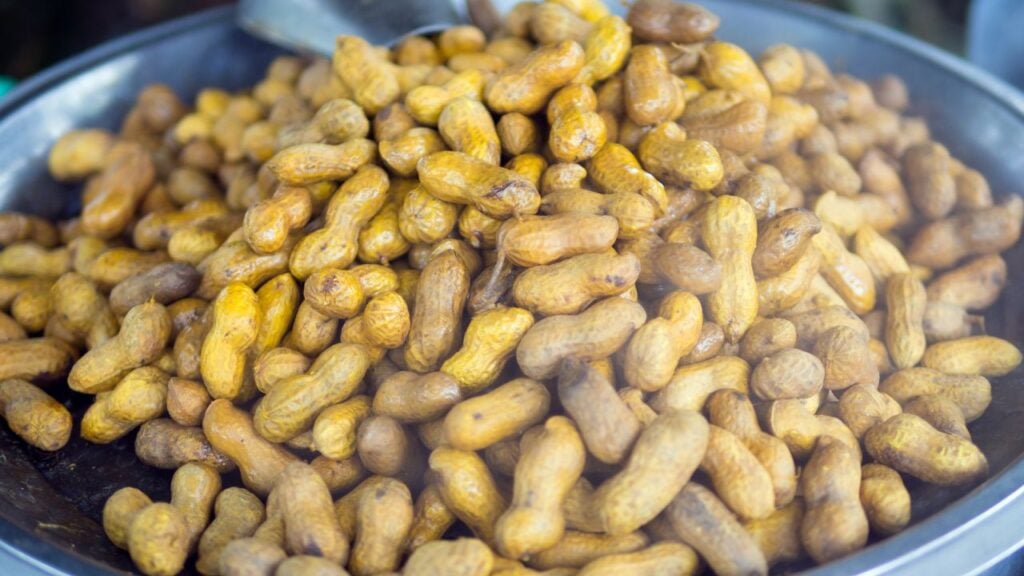
Some things just click when you're talking to someone from your state.
South Carolinians share foods, sayings and traditions that other Americans often have to ask about.
11 Things South Carolinians Never Have to Explain to Each Other
7 Things That Change the Second You Cross From North Carolina Into South Carolina
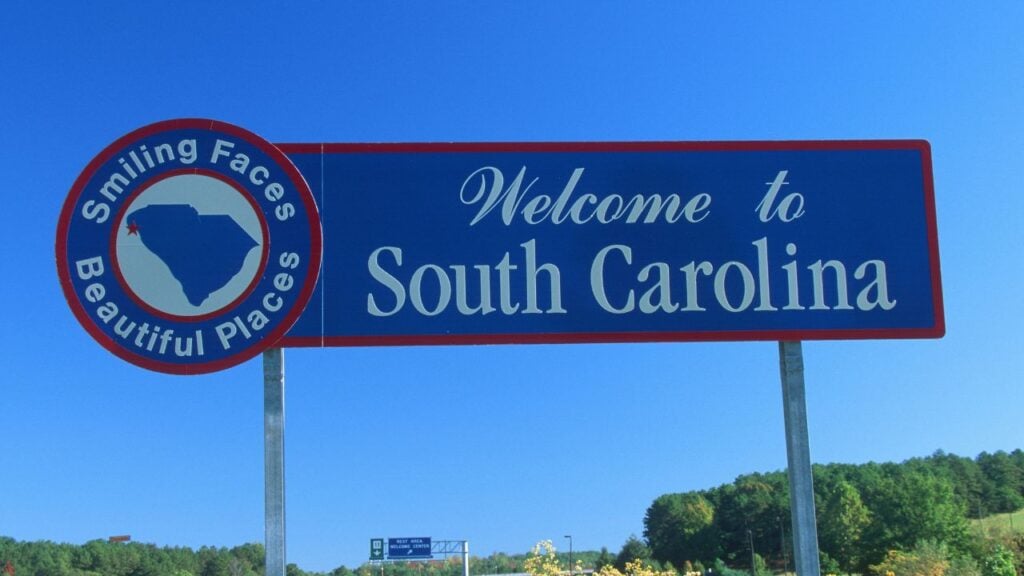
Crossing a state line doesn't change the road, but it can change what you pay and what you're allowed to do.
Some North Carolinians and South Carolinians who make the trip are surprised by what's different on the other side.
7 Things That Change the Second You Cross From North Carolina Into South Carolina
