
7 Things Illegal to Haul Across the State Line Into California

Everyone has a system for packing the car, and everyone’s sure theirs is the right one.
If you’re driving in for Thanksgiving, though, the hard part isn’t always making it all fit.
Here’s what’s illegal to haul across the state line into California.
Note: This is general information, not legal advice. Quarantine rules, restricted-animal lists and fireworks laws are subject to change.
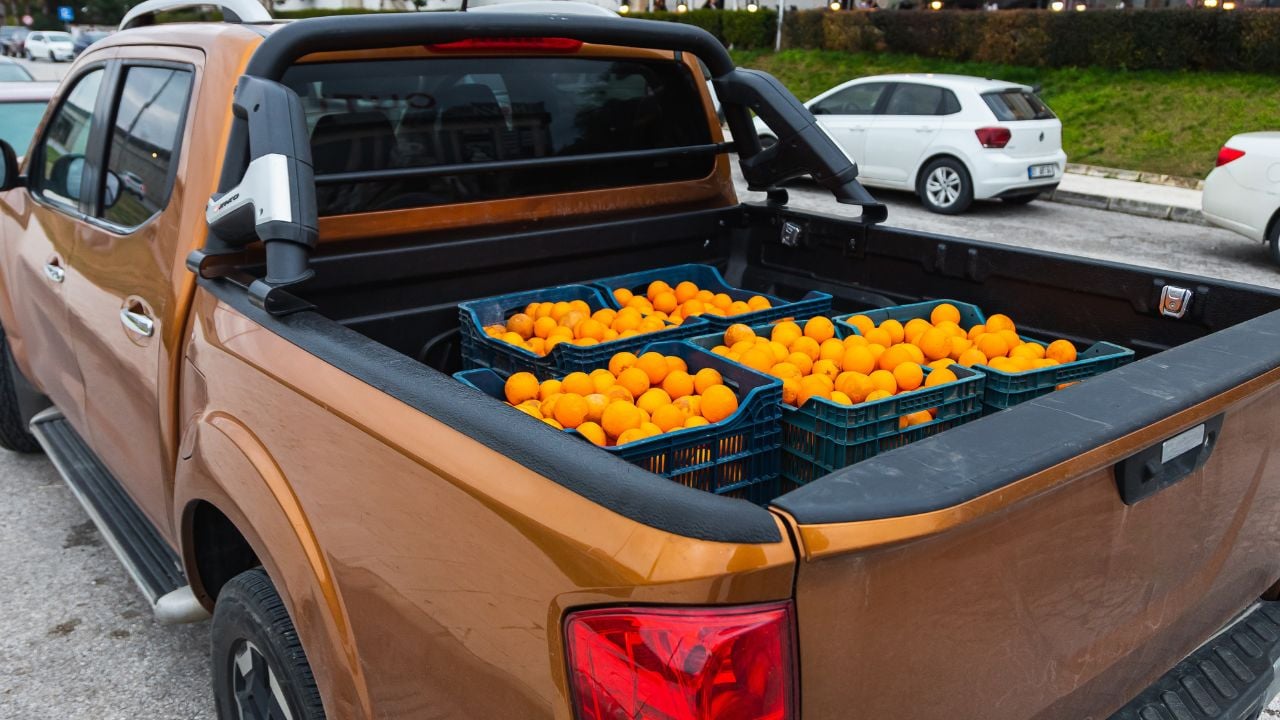
1. Citrus Fruit
California’s citrus quarantine treats citrus fruit from any state but Arizona as prohibited entry.
That includes the bag of grapefruit you picked up at a roadside stand on the drive.
Yes, even the oranges.
The quarantine is aimed at citrus canker and the fruit flies that attack citrus.
Commercial packing houses in Florida and Texas can ship citrus in under conditions the rule spells out, but your back seat doesn’t qualify.
The same quarantine bans citrus trees, cuttings and buds without a state permit, so a potted Meyer lemon from an out-of-state nursery stays behind.
If you’re moving, the quarantine lets the state hold your vehicle, baggage and household goods until an inspection shows they’re free of citrus.
2. Fireworks
California makes it unlawful to transport fireworks the State Fire Marshal hasn’t classified and registered.
That includes the stretch of your drive after you cross the line.
The legal kind is called safe and sane, and you can spot it by the State Fire Marshal’s seal.
Firecrackers, skyrockets and rockets count as dangerous fireworks, and it’s unlawful to possess them without a valid permit.
So a box of firecrackers from a stand across the line makes a poor souvenir.
Most violations are misdemeanors.
3. Oak Firewood
California’s plant quarantine refuses oak firewood from every state except Arizona, so without an official certificate, it’s off limits.
That covers the oak you’d stack in your truck bed at a campground across the line.
The worry is oak wilt, a tree disease, and the rule names firewood as a possible carrier.
Firewood from west of Montana, Wyoming, Colorado and New Mexico can cross with a certificate saying oak wilt isn’t known to occur in the state where it grew.
Oregon gets a small-load exception, since oak wilt isn’t known to occur there.
A personal load of oak firewood from Oregon, one pickup load or less, can be allowed in without a certificate.
If inspectors reject your wood, the manual’s options are sending it back out of state, burning it to ash or burying it.
8 Recording Habits That Are Illegal in California, and Many of Us Have Done One
Hitting record on your phone feels harmless.
In California, it can land you in trouble, and many of us have done it at least once.
8 Recording Habits That Are Illegal in California, and Many of Us Have Done One
4. Cannabis
Cannabis from a licensed shop in another state isn’t allowed into California, no matter how legal it was where you bought it.
California’s Department of Cannabis Control says you can’t take cannabis across state lines because it’s still illegal under federal law.
Legal at the shop and legal at your destination don’t add up to legal on the highway between them.
5. Boats Carrying Invasive Mussels
California law says you can’t possess, import or transport invasive mussels, and a boat hauled in from another lake can carry them.
The California Department of Food and Agriculture (CDFA) runs border stations.
They can inspect trailered boats entering the state, so if you’re towing a boat in, you may get a look.
A boat with mussels on it can be decontaminated, turned away, quarantined or impounded.
Before you leave the lake, clean off plants and organisms, drain the live-wells and bait buckets, and let the boat dry.
6. Deer and Elk Carcasses
California makes it unlawful to import a whole deer or elk carcass from a hunt in another state.
The reason is chronic wasting disease, a fatal neurologic disease of deer and elk.
Brain and spinal cord hold the highest concentration of the protein that causes it, so the rule comes down to no brain and no spinal cord.
Portions of meat with no spinal column, brain or head attached can cross.
Hides and capes can cross too, as long as no spinal column, brain tissue or head comes along.
Skull plates need to be free of brain tissue, and antlers and finished taxidermy mounts need to be free of meat and tissue.
So before you leave camp, cut the head and spine away from the meat you’re hauling home.
You have to declare any harvested animal, or parts of one, on an entry form from the California Department of Fish and Wildlife (CDFW).
7. Ferrets, Hedgehogs and Sugar Gliders
Ferrets, hedgehogs and sugar gliders are on California’s list of restricted animals, and you can’t bring any of them across the state line without a permit.
The list covers gerbils and Quaker parrots as well.
CDFW issues the permits, and only for limited purposes such as research, exhibiting and breeding.
The animal care permit covers only animals a resident legally had in California before January 1992.
So if you’re driving a ferret home from another state, you’re unlikely to get a permit.
Bringing Hay
In general, California doesn’t restrict bringing hay across the state line.
Inspectors check a load of bales when it arrives, and the hay has to be free from noxious weeds and insect pests.
If inspectors turn your hay away, you may have to haul it back out of state.
At the Inspection Station
California’s border stations are where you’d run into the rules above, and CDFA calls submitting to inspection voluntary.
The catch?
Vehicles and commodities can’t enter until an inspector releases them.
CDFA asks you to declare all fruits, vegetables and plants when you arrive.
Inspectors weigh risk when deciding how closely to look, including your route of travel, the time of year and your vehicle type.
Psst! How much do you know about California’s farms and border stations? Take our quiz and see if you can ace it.
Quiz
California Farm and Border IQ
Answer these questions on California’s farms and border stations. We bet you can’t get them all right. Prove us wrong?
Which farm product earned California the most money in 2025?
Dogs and Cats
At the state line, dogs and cats are the exception to the animal rules above: CDFA adds no import requirements for a dog or cat that isn't changing owners.
If you have questions about rabies vaccination, the California Department of Public Health is the place to ask.
A dog that's changing owners is different, and any dog imported for sale, resale or adoption needs a vet certificate submitted to CDFA.
That covers the puppy you're driving home from a breeder or a rescue in another state.
14 California Tenant Protection Laws That Kick In the Moment You Sign a Lease
Renting comes with protections that start on day one.
Many of them kick in the moment you sign a lease.
14 California Tenant Protection Laws That Kick In the Moment You Sign a Lease
