
8 Recording Habits That Are Illegal in California, and Many of Us Have Done One

A company called LoanMe recorded an 18-second phone call back in 2015, a clip barely long enough to leave a voicemail.
That short recording ended up in front of California’s Supreme Court, and the fight over it still shapes what happens today whenever a phone, a camera, or a doorbell catches a conversation without asking first.
Many people doing the recording have no idea they’ve crossed a line.
These are the recording habits that are illegal in California. There’s a good chance you’ve done at least one of them this year.
Note: This is general information, not legal advice. California’s recording laws and penalties are subject to change.
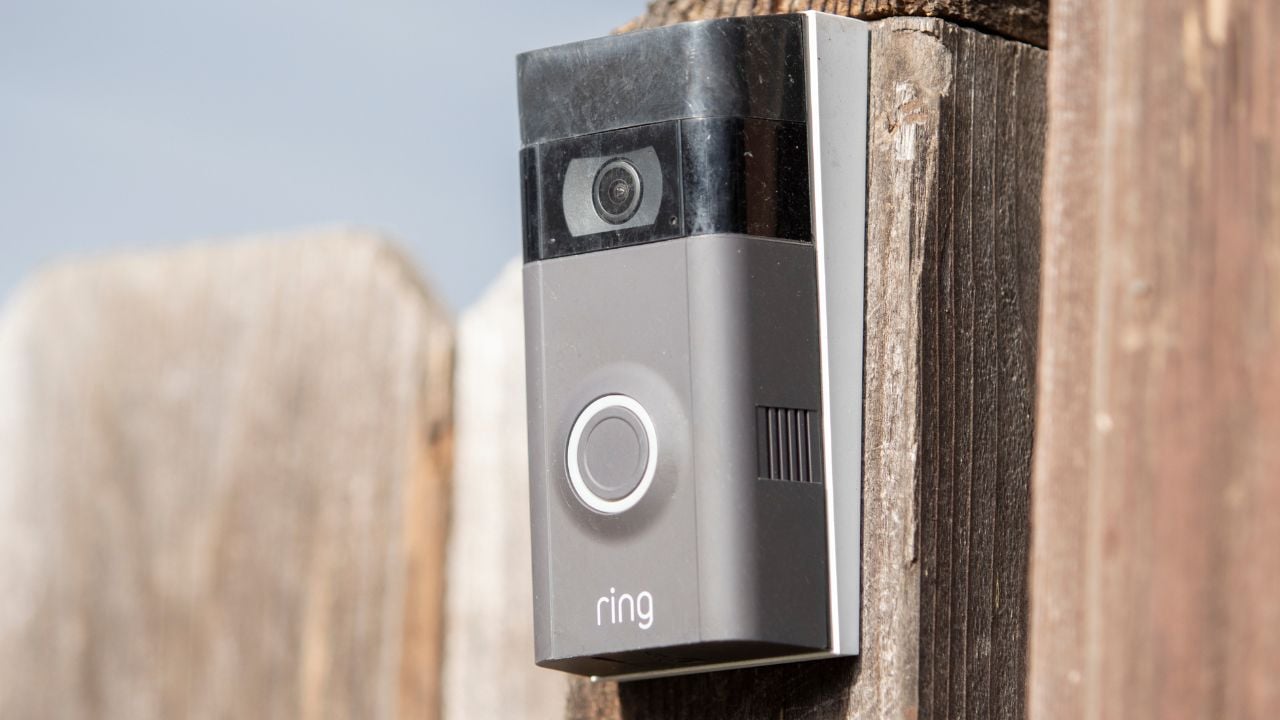
1. Leaving Doorbell Audio On
California treats a Ring or Nest doorbell’s microphone the same as a hidden recorder once it starts picking up conversations on your porch.
Video alone, aimed at your own front step, is fine on its own.
Add audio, and the math changes.
The state’s wiretapping law allows a $2,500 fine per violation for recording a private conversation without consent, and a doorbell mic left on by default can catch a hushed exchange between a delivery driver and a neighbor out on the sidewalk.
Nobody agreed to that.
Many homeowners never think to switch the audio off or post a notice that it’s recording, which keeps this habit near the top of the list.
What Counts as “Confidential” in California
California’s recording law hinges on one word: Confidential.
Penal Code 632 defines a confidential communication as one carried out in circumstances showing that any party wanted it kept between just the people involved.
The law carves out anything said at a public gathering, an open government meeting, or anywhere the parties should reasonably expect someone might be listening.
That’s why a hushed exchange on your own porch usually counts as confidential even though it happens outdoors, while a shouting match across a parking lot might not.
2. Dashcams With a Passenger Aboard
Two-party consent in California reaches inside your own car the moment a passenger climbs in.
A dashcam recording video only, pointed out the windshield, doesn’t trigger the rule.
Turn on the microphone, and the cabin becomes a confidential communication under Penal Code 632 the moment someone else is riding along.
That covers a friend catching a ride to a Dodgers game, a coworker carpooling to the office, or a rideshare passenger who never saw the camera’s red light.
Ask first.
A quick “mind if my dashcam records audio?” before pulling out of the driveway is all it takes to clear the bar.
3. Recording a Zoom Call
Confidentiality rules in California don’t stop at the phone line.
Penal Code 632 covers a private conversation carried on “by means of a telegraph, telephone, or other device,” language attorneys say reaches a Zoom call, a FaceTime chat, or a telehealth visit the same way it reaches two people talking in a closed room.
Hitting the built-in “record” button without telling the other faces on the screen is the same legal misstep as a hidden tape recorder.
Same law, new screen.
That covers a family call, a virtual doctor’s visit, or a work meeting held over video instead of in person.
Say it out loud before the meeting starts, and the problem disappears.
4. Hitting Record on a Personal Call
California’s recording law doesn’t care whether the person you’re taping is your best friend, your kid’s coach, or your ex.
Penal Code 632.7 requires the consent of everyone on a cellular or cordless call, whether or not the conversation is private.
That “whether or not” detail is the part people miss.
They assume a casual chat about weekend plans doesn’t count the way a confidential business call does, but the cellular-call rule skips that question entirely.
The California Supreme Court settled the bigger misconception in 2021.
In Smith v. LoanMe, the justices ruled that even a person on the call has to get the other side’s OK before recording it.
That surprises people.
Being part of the conversation doesn’t exempt you from the law.
5. Recording a Scam Call to Expose It
Scam calls get no exemption from California’s cellular-call rule.
Penal Code 632.7 applies to every cellular or cordless call, including the robocall selling a fake auto warranty or the “collections agent” fishing for a debt that isn’t real.
Hitting record to post the call online or send it to the Federal Trade Commission is still, on paper, a recording made without the other party’s consent.
The law makes no exception.
A first violation still carries a fine of up to $2,500, up to a year in county jail, or both, the same exposure as taping anyone else’s call.
One piece of that 2021 fight is still unresolved.
A trial court initially found that a recorded beep at the start of a call implied consent if the other person kept talking, and California’s Supreme Court sent that question back for further review in the Smith v. LoanMe case without deciding it either way.
6. A Nanny Cam With Audio On
California parents who’d never dream of bugging a stranger’s house often do the equivalent to their own babysitter.
A camera alone, watching just the living room, breaks no law.
The microphone changes everything.
Switch it on to catch what the babysitter, the dog walker, or the house cleaner says while you’re out, and Penal Code 632 puts you on the wrong side of the law, the same as if you’d wiretapped a neighbor.
The person recorded doesn’t have to wait on the state to act, either.
Penal Code 637.2 lets them sue directly, for $5,000 per violation or three times the actual damages, whichever comes out higher.
That’s their call to make, not yours.
7. Recording a Work Meeting
Slipping a phone into record mode during a one-on-one with the boss breaks California’s same wiretapping law that covers a stranger’s phone call.
A closed-door conversation with a boss, or an HR meeting about a raise or a complaint, counts as a confidential communication under Penal Code 632.
A sign in the break room saying “this area may be recorded” doesn’t satisfy that.
Consent has to come from everyone in the room, out loud, not buried in a handbook nobody read.
A verbal “I’m going to record this” and a nod from your manager clears the requirement.
Silence doesn’t.
8. Recording a Fight at Home
A fight at home doesn’t put you outside California’s recording law.
Hitting record on a spouse, partner, or roommate mid-argument to save as proof for later feels like gathering evidence.
Legally, it’s a crime.
Penal Code 632 applies inside a home the same way it applies anywhere else, and family courts have ruled that a secretly recorded fight is both a possible criminal violation and evidence too tainted to use in a divorce or custody case.
A judge can throw out the recording that was supposed to help your case.
Recording Police Isn’t Illegal
California’s strict recording law carves out one big exception: Police doing their jobs in public.
Filming an officer during a traffic stop, an arrest, or a protest, from a sidewalk or anywhere else you have a right to be, doesn’t violate the state’s wiretapping law and doesn’t give an officer grounds to detain or arrest you.
That’s not just a First Amendment argument.
It’s written into Penal Code 148, added by a 2015 law known as the Right to Record Act.
The one limit is interference.
Step between an officer and the person they’re arresting, and the recording stops being the problem.
California is one of about 11 states that require every party’s consent before anyone can record a call, a stricter standard than the one-party floor federal law sets for the rest of the country.
That stricter rule doesn’t stop at the state line, either: When a call crosses state borders, courts disagree on which state’s law controls, and legal guides for that exact reason recommend defaulting to whichever state’s rule is tougher.
Psst! California’s wiretapping law carries a few surprises the eight habits above didn’t cover. Can you spot the lie?
9 Things You Can’t Legally Bring Into California From Another State

A family packs a moving van in Nevada and points it toward Sacramento with everything they own.
Not everything riding along in that truck is guaranteed to make it across California’s border legally.
9 Things You Can’t Legally Bring Into California From Another State
10 Things California Residents Can’t Legally Toss in a Household Garbage Bin
Scrape tonight’s dinner plate straight into the kitchen trash, and in California, that alone can break a state law.
Food scraps are only the start of what’s not allowed in a household garbage bin.
10 Things California Residents Can’t Legally Toss in a Household Garbage Bin
