
7 Things Pennsylvania Kids Did in the 1960s That Would Panic Parents Today

In the 1960s, a kid could melt lead with a plug-in heater and pour it into toy-soldier molds.
If you grew up in Pennsylvania then, that probably didn’t seem strange.
Today’s parents would see it differently.
Here’s what Pennsylvania kids did in the 1960s that would panic parents today.
1. Hunting Before Mandatory Classes
Pennsylvania had 552 hunting accidents in 1960.
The Pennsylvania Game Commission adopted its first hunter safety program in 1959, and it was voluntary.
Not long after, the program became mandatory for first-time hunters and trappers age 16 and under.
A hunter-education course became mandatory for first-time hunters younger than 16 in 1969, according to the Pittsburgh Tribune-Review.
Hunting accidents dropped by half in the years right after that.
In 1982, classes became required for all new hunters, regardless of age, and accidents dropped by half again shortly after.
You can’t buy a first Pennsylvania hunting license today without finishing the Game Commission’s course.
Today, the in-person Basic course is free to anyone age 11 and older.
In 2023, Pennsylvania recorded 13 hunting-related shooting incidents, none of them fatal.
That was the lowest number recorded in Pennsylvania since 1915.
2. Riding Without a Seat Belt
The Henry Ford museum’s collection includes a 1961 image from Pittsburgh of a boy in an unanchored car seat with a toy steering wheel.
That seat offered little protection in a crash.
The collection also holds a 1965 Sit-N-Stand car seat that let little children ride seated or standing, a convenient feature for the parent.
Nationwide, a federal safety standard required a belt at each seat position in new passenger cars starting January 1, 1968.
Even after child safety seats became available in the late 1960s, few parents used them, or they used them incorrectly.
Pennsylvania’s seat belt law took effect on November 23, 1987, according to a federal transportation table.
3. Casting Lead Toy Soldiers
A lead smelting kit from the 1960s came with a plug-in heater, a ladle and molds for making toy soldiers, a local historical society’s blog post recalls.
At about 12, the boy who got the kit and his friends quickly tired of casting soldiers and melting them down again.
They started dropping things into the molten lead, and one favorite trick was pouring it into a bucket of water.
The hot lead would explode and harden into a pattern.
The Centers for Disease Control and Prevention lists casting among the hobbies that may involve exposure to lead hazards.
His mother never knew.
4. Popping Wheelies on a Sting-Ray
Across the country, kids took to the Sting-Ray, the low-slung child’s bicycle Schwinn introduced in 1963.
The Smithsonian says the style began as a fad in Southern California and that the Sting-Ray was perfect for wheelies.
Its long “banana” seat had room for a passenger.
As sales boomed, Schwinn added models such as the Fastback and the Manta Ray.
The museum has a 1965 Super Deluxe Sting-Ray in its collection.
5. Walking or Biking to School
Nationwide, 48 percent of students ages 5 to 14 walked or biked to school in 1969.
That comes from an analysis of the federal National Household Travel Survey reported by Streetsblog USA.
By 2009, only 13 percent did.
How Kids Got to School
Car trips to school rose from 12 percent of students in 1969 to 44 percent in 2009.
Among students who lived less than a mile from school, 38 percent walked or biked in 2009.
6. Baking in a Light-Bulb Oven
Kenner debuted the Easy-Bake Oven in 1963, according to Smithsonian magazine.
The toy oven ran on a light bulb and let kids across the country bake at home.
The oven cost $15.95, and around 500,000 sold in its first year.
Kenner also sold mixes for cakes, cookies, pies and other treats.
The oven got up to 350 degrees Fahrenheit inside.
Burn risks couldn’t be eliminated.
Psst! How much do you know about Pennsylvania in the 1960s? Take our quiz and see if you can ace it.
Quiz
Pennsylvania 1960s Trivia Challenge
Answer these questions on Pennsylvania in the 1960s. We bet you can’t get them all right. Prove us wrong?
Wilt Chamberlain scored 100 points in a 1962 game for the Philadelphia Warriors. Which Pennsylvania town hosted it?
7. Running a Newspaper Route
Around 1968, that same boy took on a seven-day Pittsburgh Press route, according to another post on the society's blog.
He was 12 or 13 and rode a bicycle fitted with a front basket and rear saddle baskets.
The Press was an afternoon paper Monday through Saturday and a morning paper on Sunday.
If his papers weren't delivered by 8:00 a.m., customers started calling the family's phone.
Pennsylvania generally bars anyone under 14 from working, with some limited exceptions.
Teens who are 14 or 15 need a work permit from their school district.
While school is in session, they can work only between 7 a.m. and 7 p.m., and no more than three hours on a school day.
Today, you have to be 11 to sell newspapers in Pennsylvania, under the state's child labor rules.
Carriers under 16 may not work before 5:00 a.m. or after 8:00 p.m.
13 Things You Only Understand After Living in Pennsylvania a Few Years
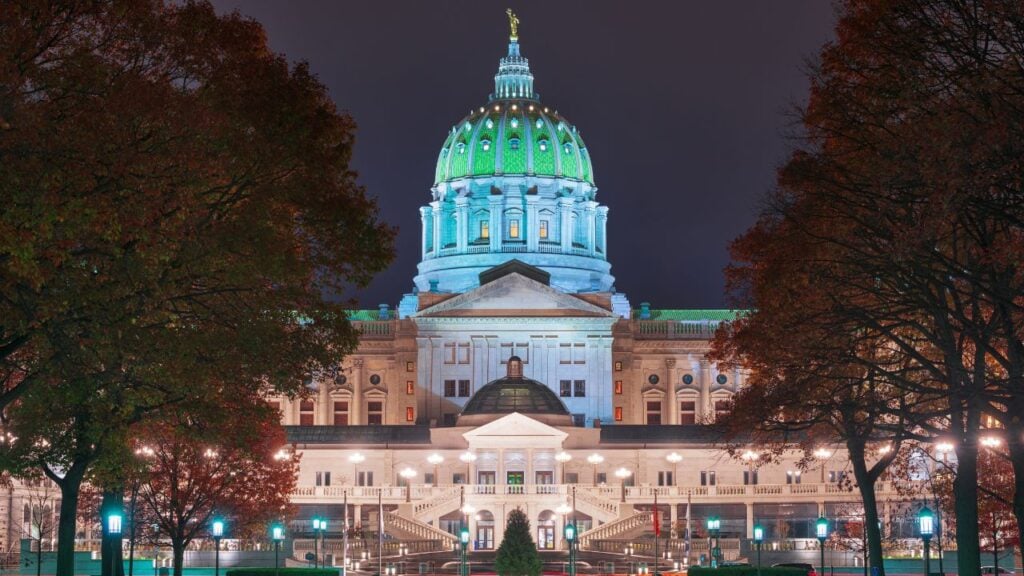
Some Pennsylvania habits only make sense after you've lived in the state a few years.
Many newcomers find that out the hard way.
13 Things You Only Understand After Living in Pennsylvania a Few Years
9 Things Pennsylvanians Know About Winter That Transplants Learn the Hard Way
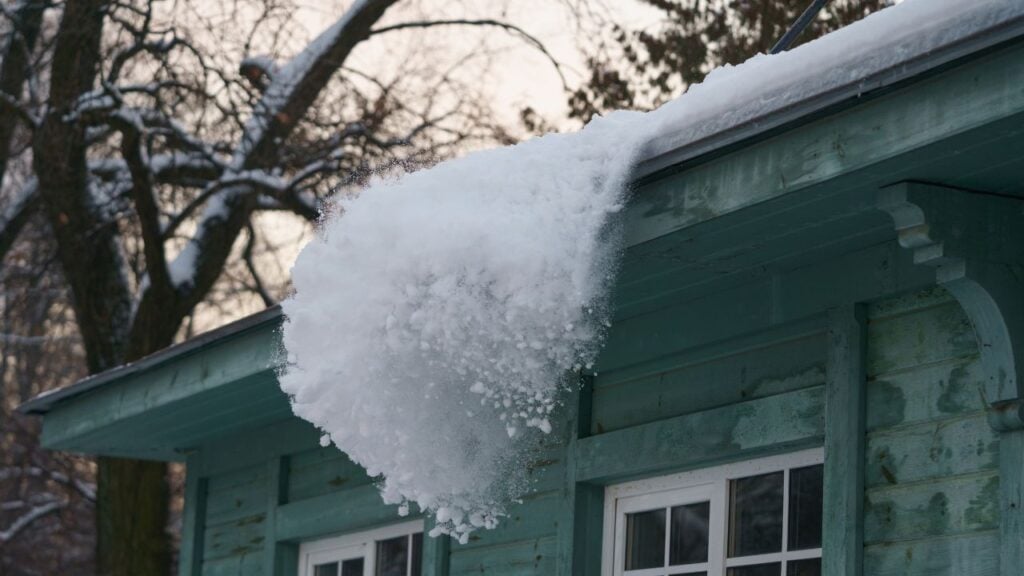
Many transplants arrive in Pennsylvania expecting winter to follow a familiar schedule.
Many lifelong residents could set them straight.
9 Things Pennsylvanians Know About Winter That Transplants Learn the Hard Way
