
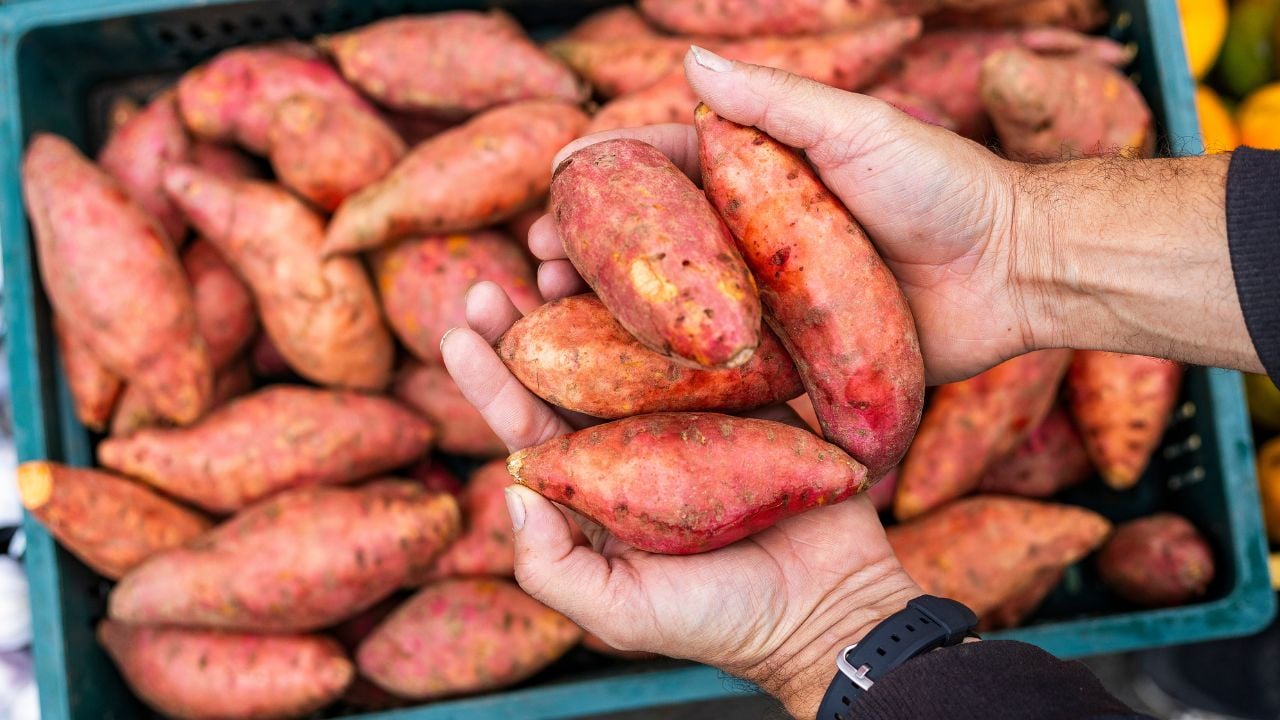
7 Things That Happen to North Carolina Sweet Potatoes Once the Crop Comes In

That sweet potato in your cart may have been dug up months ago.
Between the field and the store, North Carolina sweet potatoes go through a lot more than a quick wash.
Here’s what happens to them once the harvest is in.
1. Moving Bins Gently
A sweet potato’s skin is thin enough that cuts and scrapes damage it easily, according to the postharvest guide North Carolina State Extension publishes.
If you’ve ever dragged a fingernail across a sweet potato at home, you’ve seen how fast that skin marks.
So workers shouldn’t throw the roots or step on them in the bins.
Sun is a hazard too.
Sunscald can set in after a short stretch in bright light.
2. Curing in the Heat
North Carolina State Extension’s guide gives sweet potato curing a window of three to five days right after harvest.
That 85-degree temperature pairs with 85 to 90 percent humidity and proper ventilation.
North Carolina Farm Bureau lists 80 to 85 degrees, 90 to 95 percent humidity and four to seven days, so you’ll see both ranges quoted.
Proper curing makes sweet potatoes moister and sweeter by the time you cook them, strengthens the aroma, and shifts starch toward sugar.
Farm Bureau adds that curing makes the skin tougher.
According to the guide, curing conditions also let a root lay down a new layer of material under wounded skin.
Normal weight loss during curing shouldn’t exceed 5 to 8 percent of the freshly harvested weight.
As little as one-half cubic foot of outside air per bushel per day is enough ventilation while the roots cure.
3. Storing Roots at 55 Degrees
Cured sweet potatoes can sit in storage for as long as 13 months, according to North Carolina State Extension’s guide.
For storage, the temperature drops to 55 degrees, 30 degrees cooler than curing, while humidity stays at 85 to 90 percent.
North Carolina Farm Bureau’s agriculture magazine lists 55 to 60 degrees and 85 percent humidity for sweet potatoes stored in boxes.
Cooler isn’t better, though.
Chilling injury, including surface pitting, sets in when storage drops below 50 degrees.
A refrigerator is generally colder than that, so a pantry is a safer spot for the sweet potatoes you bring home.
Sweet Potato Storage Needs a Steady Temperature
Sweet potato storage has a second rule besides the 55-degree target.
The guide tells farmers to avoid temperature swings of more than five degrees.
Adequate ventilation is part of those storage conditions too.
4. Rinsing Away the Soil
Ever wonder how a sweet potato gets from field dirt to the clean root in your cart?
After harvest, the roots are brought into a packing house to be sorted and packaged, according to the North Carolina Department of Agriculture and Consumer Services.
There, many packing lines use a water rinse step to remove clinging soil, according to North Carolina State Extension’s guide.
Some lines use spray nozzles that aim water at pressures as high as 250 pounds per square inch (psi) while the roots travel over rotating brushes.
Psst! How much do you know about sweet potato farming? Take our quiz and see if you can ace it.
Quiz
Sweet Potato Farm IQ
Answer these questions on sweet potato farms and USDA grades. We bet you can’t get them all right. Prove us wrong?
North Carolina’s 2025 sweet potato crop weighed in at about how many pounds?
5. Pulling Out Bad Roots
After the wash, sweet potatoes go through an eliminator, a bed of parallel metal rollers normally set 1.5 inches apart, the guide explains.
After washing and the removal of trash, the roots move onto a table for hand sorting and removal of decayed or otherwise unmarketable roots.
Workers should wear gloves to protect roots from the same fingernail scratches you could leave at home.
6. Grading by Size
Sorting sweet potatoes into uniform sizes is a key function of packing, according to the guide.
North Carolina Farm Bureau says the sorting is done by a worker in the field or by machine before the roots are packed.
The U.S. Department of Agriculture (USDA) sets the federal standards for how sweet potatoes grade out.
If you measure a U.S. No. 1 sweet potato, you'll find it runs 3 to 9 inches long and 1¾ to 3½ inches across, and it weighs no more than 20 ounces.
U.S. Extra No. 1 is tighter, topping out at 3¼ inches across and 18 ounces.
7. Boxes and Year-Round Supply
The guide lists 40-pound and 14-pound boxes for sweet potatoes, and small operations can fill them by hand.
Farm Bureau says the state's sweet potatoes are available every month of the year, so you can look for them in any month.
Cured roots can stay marketable for as long as 13 months, so a sweet potato you buy in July could have been dug the previous fall.
Curing at Home
If you grow sweet potatoes in your backyard, you can cure them without a heated warehouse.
North Carolina State Extension's Pamlico County office says home gardeners dig a few roots first and judge ripeness by the size they prefer.
Next, dug roots go in a warm room covered with plastic for five to seven days.
Cured sweet potatoes can then sit in a cool, dark place for several months.
The 2025 Crop
The USDA's National Agricultural Statistics Service publishes North Carolina's county estimates for sweet potatoes.
The table lists Wilson County at 10,500 harvested acres and groups every other county into a single Other Counties line of 81,500 acres.
Who grows your sweet potatoes?
The North Carolina Sweetpotato Commission, a nonprofit, says its members include more than 400 growers, along with the packers and processors that support them.
8 Lowes Foods Habits That Cost North Carolinians Every Week
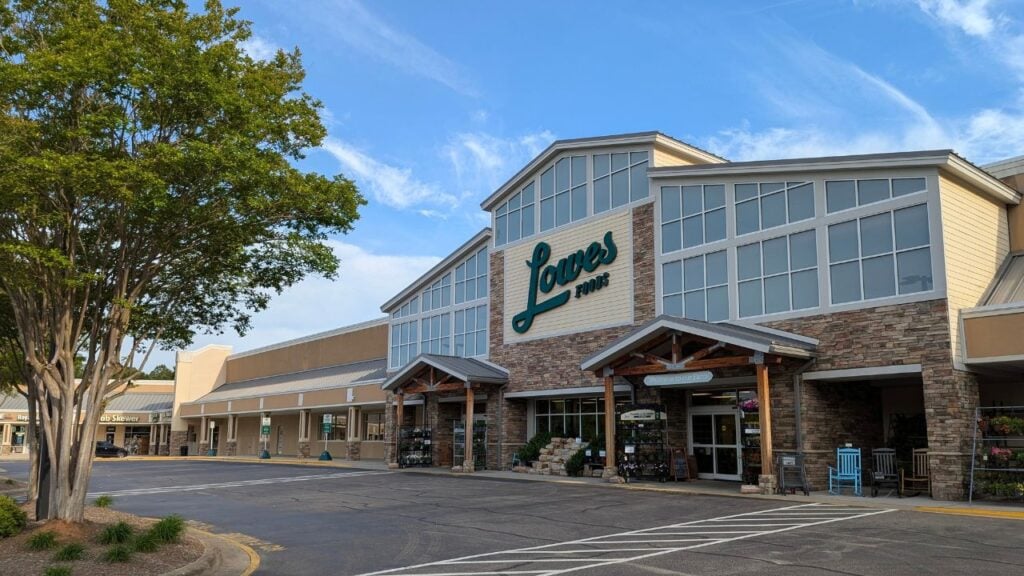
Do you know which day Lowes Foods flips its weekly ad without checking your phone?
Not everyone does, and the ad day is only where these weekly habits start.
8 Lowes Foods Habits That Cost North Carolinians Every Week
8 Reasons a North Carolina Burn Permit Doesn't Cover What You're Burning
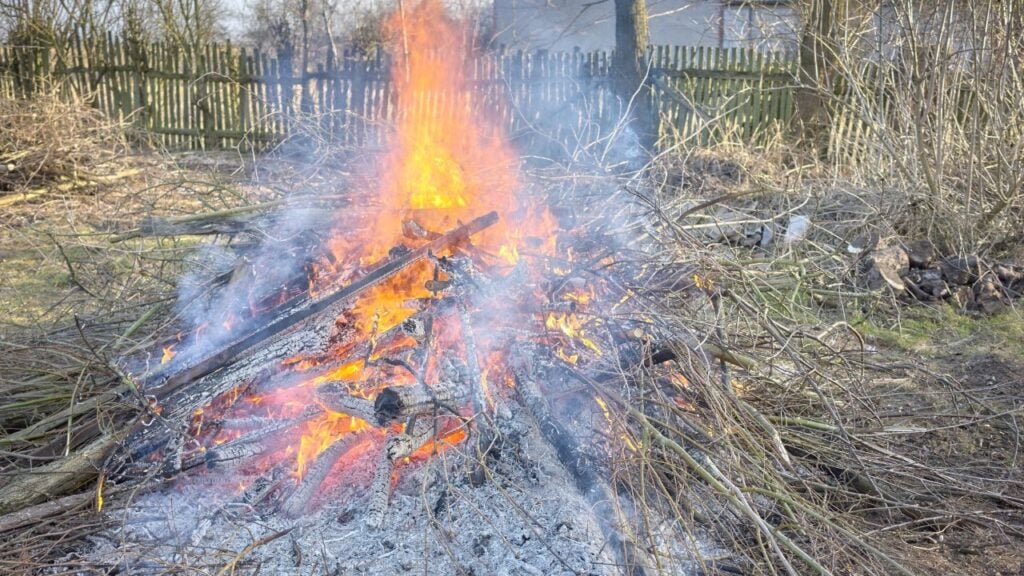
Does a burn permit cover everything you might want to burn in North Carolina?
It doesn't, and the reasons are worth knowing before you light anything.
8 Reasons a North Carolina Burn Permit Doesn't Cover What You're Burning
