
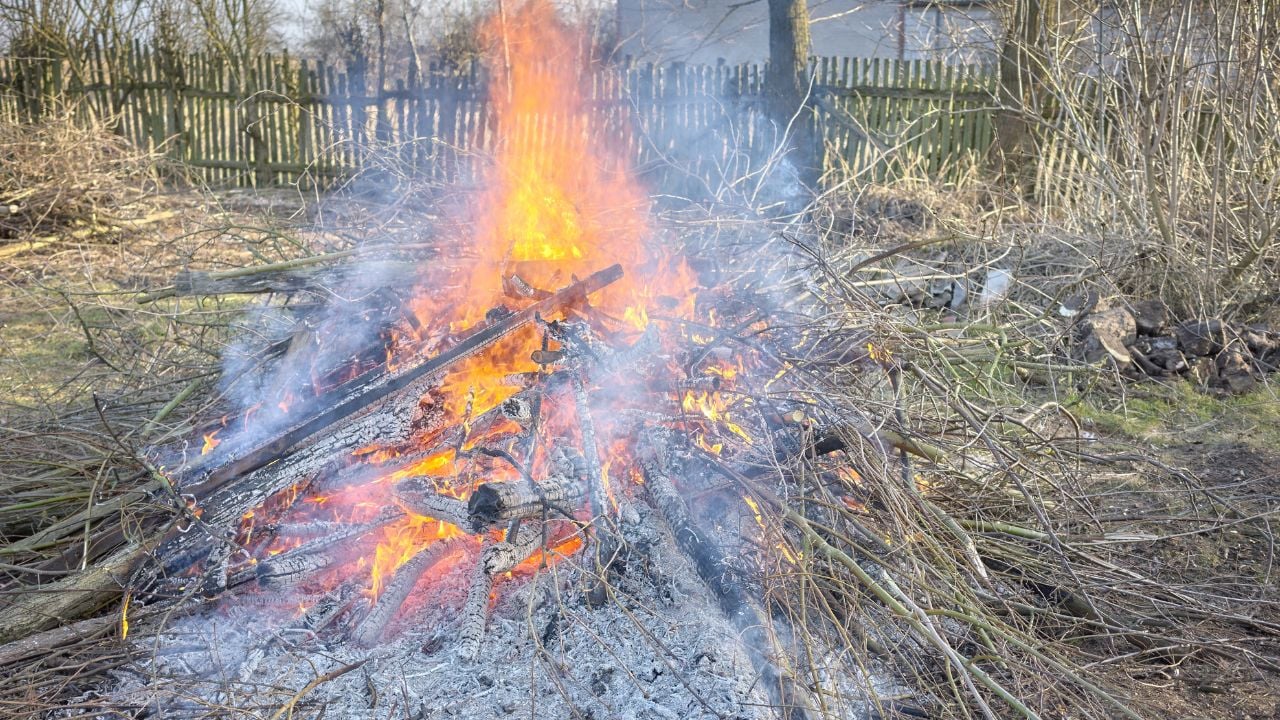
8 Reasons a North Carolina Burn Permit Doesn’t Cover What You’re Burning

North Carolina’s fall fire season typically runs from October through early December, according to the N.C. Forest Service.
A permit doesn’t erase that risk.
But some people treat a valid burn permit like a blank check for whatever’s piled up in their yard.
These are the reasons a North Carolina burn permit doesn’t cover what you’re burning.
Note: This is general information, not legal advice. Burn permit rules, distances, and fines are subject to change, so confirm the current requirements with the North Carolina Forest Service.
1. Household Trash and Plastic
A North Carolina burn permit only covers things that grow.
State air quality rules make it illegal to burn household garbage, plastic, or treated wood no matter what permit is sitting in your hand.
Tires and asphalt shingles don’t make the cut either.
No exceptions.
The state’s Division of Air Quality reduces the entire rule to five words: “if it doesn’t grow, don’t burn it.”
That line covers paint cans, wiring, and cardboard just as firmly as it covers a bag of kitchen trash.
State regulators can fine a single violation past $25,000, and that number rises further once the state bills fire suppression costs back to whoever lit the match.
2. Storm or Hurricane Debris
North Carolina’s burn permit doesn’t reach storm debris the way people expect.
A tree that a storm drops across the yard needs written sign-off from a regional office of the Division of Air Quality before it can legally burn.
The basic permit alone doesn’t cover it.
Only vegetation qualifies for that approval, and setback rules and burn hours still apply on top of it.
A downed tree limb clears the bar.
The fence it crushed doesn’t.
3. Code Orange, Red, or Purple Days
The state’s air quality color codes overrule a North Carolina burn permit before you strike a match.
North Carolina bans all outdoor burning on Code Orange, Red, or Purple days, and a permit in hand changes nothing.
Green and Yellow days are the only green light.
Nothing else qualifies.
Wind carries smoke and particles farther on a bad-air day, so the code applies statewide on the same morning, not county by county at random.
How to Check the Code Before You Light Anything
North Carolina’s Division of Air Quality checks and posts the color code daily, county by county.
The agency’s online Air Quality Portal and the phone line at 919-707-8400 both give the current code.
A Green morning can slide to Orange by afternoon if the wind shifts.
Nobody updates the permit for you when that happens.
4. Anything Inside Town Limits
A North Carolina burn permit means nothing inside Raleigh, where the city bans burning yard debris outright no matter what the county permit says.
Cities and towns can add rules like that under North Carolina law, which leaves them free to pass ordinances on open burning within their boundaries.
Union County’s fire marshal tells residents of Monroe, Waxhaw, Indian Trail, and Stallings the same thing: Check the town’s ordinance before assuming the county permit covers it.
A county-level permit says nothing about what your town allows.
Check both.
Some towns tighten the distance rules, some ban burning outright, and the only way to know is to call your town hall.
5. Big Land-Clearing Piles
Five acres is where a North Carolina burn permit’s basic coverage runs out.
Burning more than five acres of land-clearing debris takes a separate special permit with extra conditions attached.
That’s on top of the everyday permit, not instead of it.
Stack them.
Off-site land-clearing burns are also capped at four events a year.
Each event allows no more than two piles under 20 feet across, set at least 500 feet from any occupied building.
6. Piles Near Your Neighbor
Your neighbor’s house sets a limit on a North Carolina burn permit.
Land-clearing or storm debris within 500 feet of an occupied home needs a written waiver from every resident inside that radius, under North Carolina’s open-burning rule 02D .1903.
That’s the same 500 feet the off-site land-clearing rule above treats as a floor. This is what it takes to burn any closer than that.
A regional air quality supervisor has to sign off on top of that.
A renter counts the same as a homeowner here.
It only takes one holdout.
Skip a single signature, and the whole burn is illegal, permit or not.
7. Any Day Under a Burn Ban
North Carolina can shut down every burn permit in the state overnight.
Open burning stays prohibited during a state-issued ban regardless of whether a permit is normally required, and the ban applies to permits already in hand, per the N.C. Forest Service’s permit guidance.
The ban outranks it.
The statewide ban the state issued this past March covered all 100 counties at once, over hazardous fire conditions.
The state faces the same risk again every fall.
North Carolina’s fall fire season typically runs from October into early December, right as falling leaves and drier air raise the odds of a ban.
State fire officials say human activity, not lightning, starts more than 99% of North Carolina’s wildfires.
A stray burn pile is a common way that happens.
Psst! How much do you know about North Carolina’s wildfire history? Take our quiz and see how many you can get right.
Quiz
North Carolina Wildfire Quiz
Answer these questions on North Carolina’s wildfire history and risk. We bet you can’t get them all right. Prove us wrong?
What year did North Carolina’s forestry work officially begin, when W.W. Ashe became the state’s first forestry employee?
8. Any Fire That Escapes
A North Carolina burn permit carries no promise that a lawsuit won't follow it.
A permit that lets you light the match isn't the same as a permit that protects you once that fire gets away.
Only a certified prescribed burn, filed in writing under the Prescribed Burning Act, earns that civil-liability shield.
An everyday yard-debris permit isn't that.
Let a pile jump the property line, or send smoke into a neighbor's open windows, and the permit does nothing to stop a civil claim over the damage.
Ouch.
Gross negligence erases even a certified burn's shield.
A neighbor whose fence catches fire doesn't care that the pile was permitted.
The paperwork proves you followed the process, not that the fire stayed exactly where you planned it.
8 North Carolina Squatter Rules Homeowners Learn the Expensive Way
A stranger who won't leave used to hand North Carolina homeowners a police report and nowhere else to turn.
The state finally built a legal fast lane for that exact fight.
8 North Carolina Squatter Rules Homeowners Learn the Expensive Way
6 Costs North Carolina Drivers Face When Plate Stickers Disappear October 1
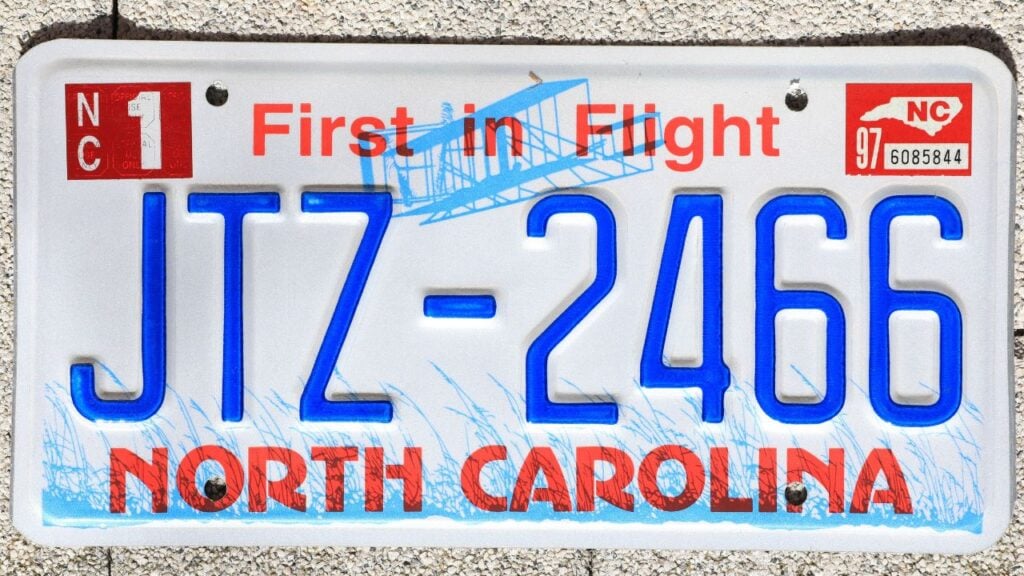
North Carolina drivers who let a registration slide already owe the state $15 to $25 in late fees, plus interest.
Starting October 1, 2026, nothing on the plate warns a driver the clock ran out, since the state stopped mailing stickers and paper cards.
6 Costs North Carolina Drivers Face When Plate Stickers Disappear October 1
