
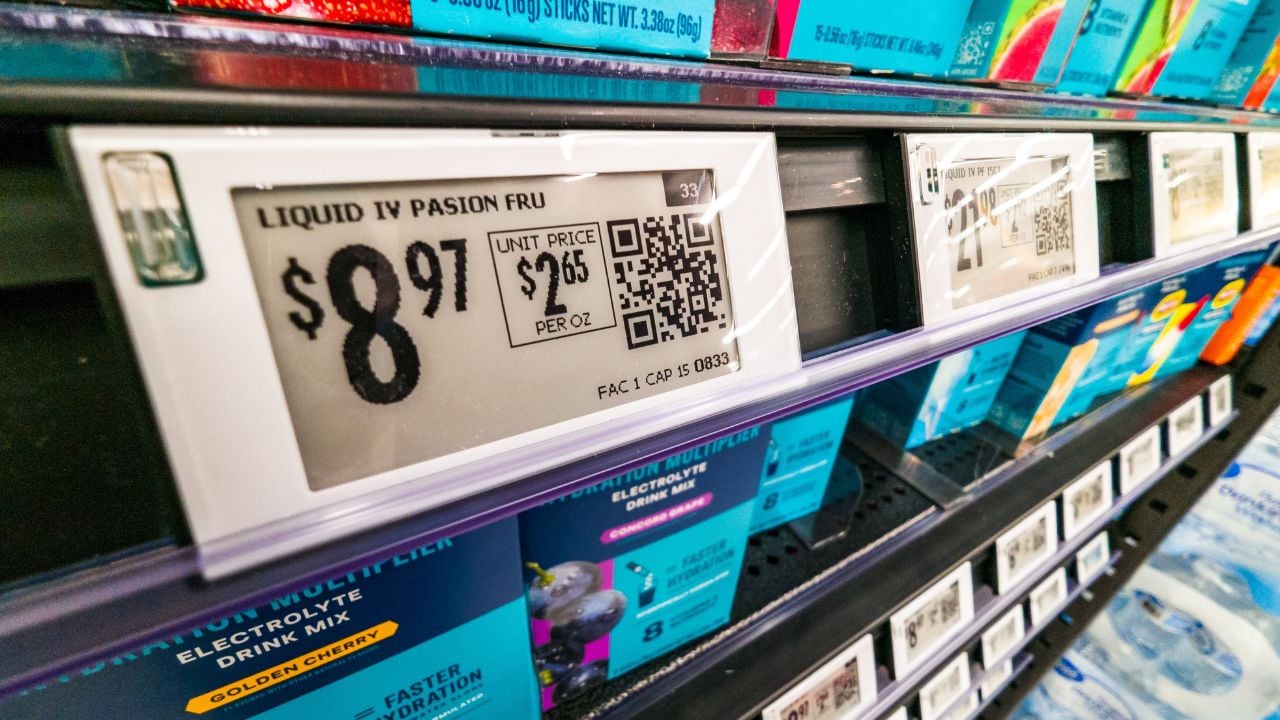
7 Times a Georgia Store Doesn’t Have to Honor the Price on the Shelf

A low shelf price feels like a promise.
But Georgia law gives stores more room to handle a pricing mistake than many shoppers expect.
These are the times a Georgia store doesn’t have to honor the price on the shelf.
Note: This is general information, not legal advice. Consumer protection rules are subject to change, so confirm current details with the Georgia Department of Law’s Consumer Protection Division.
1. Wrong Price at the Register
A Georgia store that rings up a higher price than the shelf tag shows isn’t breaking any state law by doing it.
A manager who catches the mismatch before the register does can decline the sale outright.
The Georgia Department of Law’s Consumer Protection Division publishes its guide on the subject, and it tells shoppers to catch the mismatch themselves, at the register, before they pay.
California, Connecticut, and Massachusetts all have laws that force some kind of fix when a scanner and a shelf tag disagree.
Georgia never followed them.
2. Swapped or Altered Price Tags
Georgia treats a swapped price tag as theft, not a valid price.
Georgia Code 16-8-14 spells out the state’s shoplifting law, and it names switching a price tag from one item to another as theft.
That covers a deliberate swap and an honest mix-up alike: Either way, the tag on the shelf may not belong to the item sitting under it.
A cashier who spots the mismatch can charge the item’s correct price instead, and Georgia law backs that call.
The tag has to match.
3. Expired Sale Sign
Georgia law doesn’t automatically punish a store for leaving last week’s sale sign up.
The state’s Fair Business Practices Act only bans a store from making false or misleading claims about a price cut, under Georgia Code 10-1-393.
An honest oversight isn’t that.
Proving the difference usually falls on the shopper, not the store.
What It Takes to Sue Over a Price
Georgia’s Fair Business Practices Act lets a shopper sue over unfair pricing, but Georgia Code 10-1-399 makes the shopper mail the store written notice and wait 30 days first.
The law lets a shopper recover general damages tied to that loss.
Georgia courts still require proof of an ascertainable loss, not just a refund of the purchase price.
A store that mails a written settlement offer inside those 30 days can cap what the shopper ever collects at that offer.
Triple damages only apply when a court finds the store meant to deceive, never for a sign somebody just forgot to pull down.
4. Price That Needs the App
A Georgia grocery shelf often lists two numbers: A regular price, and a lower one marked “with card” or “digital coupon.”
The store only owes a shopper that second number once they’ve clipped the coupon or signed up for the loyalty app.
It doesn’t work without that step.
Many grocery chains disclose the requirement right on the tag, which is why they can hold that line at checkout.
Psst! How much do you know about pricing laws and shopping history across the country? Take our quiz and see how many you can get right.
Quiz
Retail Pricing IQ
Answer these questions on pricing laws and checkout history across the country. We bet you can’t get them all right. Prove us wrong?
Which state’s law hands a shopper a mismarked item completely free, not just a discount, if it scans higher than the shelf price?
5. Coupon-Stacking Claims
A Georgia store isn't required to honor a shopper's stacked-coupon math past its posted coupon-combination cap.
Publix's coupon policy allows a manufacturer coupon plus either a Publix coupon or a competitor's coupon on the same item, never all three at once.
A shelf tag showing the sale price doesn't change once a shopper adds a stack of coupons past that cap.
The extra coupon doesn't count.
6. When a Price Is Too Wrong
A $1,200 laptop tagged at $12 is the kind of Georgia store price mistake no reasonable shopper could believe.
Contract law calls this a unilateral mistake, and it lets a seller void the sale even after a shopper appears to have bought the item.
The catch is "obvious."
A store can't use the doctrine to walk back an honest markdown it simply regrets.
The price still has to look like a typo, not a deal the store wishes it hadn't offered.
7. When a Doorbuster Runs Out
Doorbuster deals at a store can legally run out before everyone waiting in line gets one.
Georgia Code 10-1-393 lets a store advertise goods it doesn't have enough of to meet demand, as long as the ad discloses the limit.
Georgia allows exactly that.
A shopper who arrives after the marked stock disappears has no claim to that shelf price at all.
What Still Works in a Shopper's Favor
A few things still work in a Georgia shopper's favor when a price looks wrong.
A phone photo of the shelf tag, snapped before checkout, gives a manager something concrete to look at.
Many grocery chains run a no-charge-if-wrong policy anyway, purely as a courtesy.
Asking costs nothing.
The Georgia Department of Law's Consumer Protection Division still takes a complaint about a pattern of scanning errors, even though it can't force a single sale.
8 Things Georgia Grandmothers Keep in Their Kitchens That Never Seem to Expire

Think a jar in the back of a Georgia grandmother's pantry has to be trash by now?
She might still be working through a jug of sorghum syrup from last year's Blairsville Sorghum Festival, since its sugar content makes it hard-pressed to spoil.
8 Things Georgia Grandmothers Keep in Their Kitchens That Never Seem to Expire
8 Ways a Georgia Ballot Gets Rejected Before It's Counted
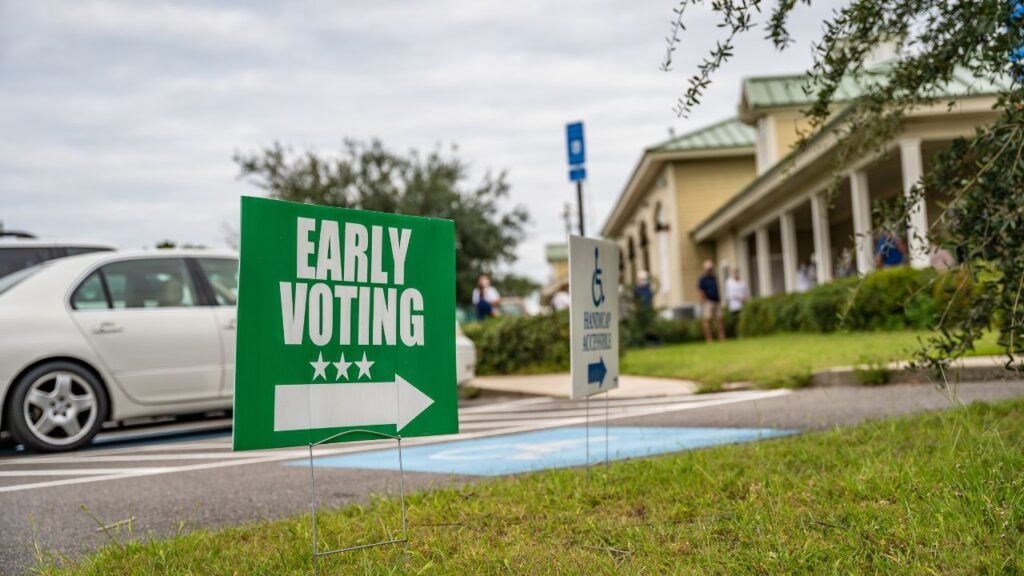
Georgia mailed out more than 327,000 absentee ballots for the 2024 general election, and thousands came back rejected before a single vote inside them was ever counted.
These are the mechanical slip-ups that get a Georgia ballot marked "rejected" before it reaches the count.
