
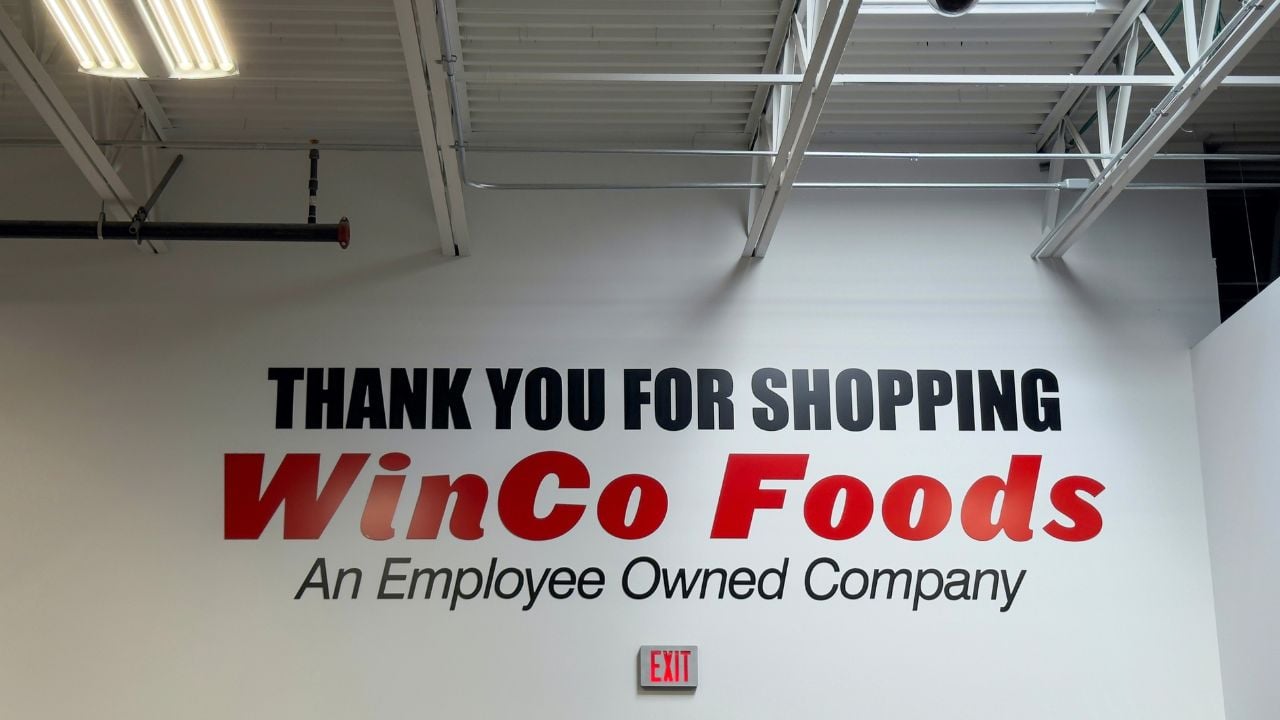
7 WinCo Habits That Cost Washingtonians Time and Money Every Week

Washington is home to 19 WinCo stores, and every one of them stays open 24 hours a day.
Its round-the-clock, no-frills setup is advantageous. But ordinary shopping habits can work against a Washington shopper there.
These are the WinCo habits costing Washingtonians time and money every week.
1. Expecting a Price Match
WinCo doesn’t advertise a price-match program.
Shoppers who’ve grown used to that promise at other grocery stores expect the same courtesy there.
That courtesy isn’t part of the pitch at WinCo.
Its whole pitch is that the shelf price already beats the competition, so there’s little left to negotiate once you’re in line.
A shopper who drives to a pricier store first, expecting WinCo to close the gap later, has it backwards.
The shelf price is final.
Go straight to WinCo, compare the yellow everyday-low price yourself, and skip the detour.
2. Skipping Your Bags
At WinCo, every shopper packs their own groceries at checkout since the chain skips the bagger entirely.
That’s part of how the chain keeps its shelf prices down.
Forget your own bags. Washington’s carryout-bag law kicks in on top of that.
Reusable film plastic runs 12 cents, a rate that rose from 8 cents on Jan. 1, 2026, while paper holds steady at 8 cents.
Grab four bags out of habit. That’s close to half a dollar gone before the milk even scans.
It happens every trip.
Shoppers who keep a couple of totes in the trunk never pay that charge again.
The Math on a Forgotten Bag at WinCo
WinCo’s low prices assume every shopper bags their own groceries. Washington’s bag law adds its own charge on top of that.
Grab two reusable plastic bags instead of bringing your own, and that’s 24 cents in one trip.
Do that every week for a year. It adds up to more than $12, spent on bags nobody needed to buy.
A few totes kept in the car erase the charge completely.
3. Waiting for a Flyer in the Mailbox
No weekly ad from WinCo ever lands in your mailbox.
The chain sends printed mailers only for special occasions like new store openings, then puts that saved advertising money back into everyday prices instead.
Shoppers used to a Sunday paper flyer, or an app that pings with the week’s deals, never build the habit of looking.
So they miss it.
WinCo marks its specials with green price tags right on the shelf and on its own website instead.
It takes no card and no app.
The green tags carry the same discount a mailer would have advertised.
4. Trying to Stack Coupons
WinCo takes manufacturer coupons, but its rules run stricter than a lot of shoppers expect.
The chain caps every item at one coupon, so a store coupon and a manufacturer coupon can’t ride on the same product together.
WinCo doesn’t double or triple a coupon’s value, and it doesn’t take a competitor’s coupon at all.
A shopper who stacks two coupons on one box of cereal somewhere else tries the same move here.
Denied.
The cashier turns down the extra one.
That second coupon still counts on a different item in the same cart.
5. Assuming You Need a Membership
At WinCo, prices rival Costco and Sam’s Club, which leads some Washington shoppers to assume a card or a fee comes with it.
It doesn’t.
WinCo’s own policy states it plainly: no membership, no special card, just walk in and shop.
Some Washingtonians keep paying for a warehouse club membership purely out of habit, chasing bulk-size pricing they can already get at WinCo for free.
The membership auto-renews every year, whether you use it or not.
Cancel the membership you don’t need.
6. Passing on the Wall of Values
Just inside the entrance, WinCo stacks pallet loads of one product and calls it the Wall of Values.
Those are one-time inventory buys, not a permanent shelf price.
WinCo passes along a steep discount because it bought the whole lot at once. The deal lasts exactly as long as that pallet does.
Gone for good.
A shopper who walks past a Wall of Values pallet, planning to grab it next time, usually comes back to find something else stacked there instead.
Whatever’s stacked there next time is a different deal entirely.
7. Using the In-Store ATM Out of Habit
WinCo keeps an automated teller machine (ATM) up front, along with money orders and Western Union transfers, for shoppers who need cash on the spot.
That ATM can charge a service fee from your own bank, on top of whatever the machine charges on its own.
WinCo skips credit cards altogether, so shoppers here lean harder on cash and debit than they do anywhere else.
That habit sends them straight to the in-store machine out of convenience.
That’s two fees at once.
Getting cash back with a debit purchase at checkout avoids both fees entirely.
Where a WinCo Still Isn’t
WinCo’s own list of Washington stores runs to 19 locations, from Bellingham down to Vancouver and out to Spokane.
Not one of them sits inside Seattle city limits.
A plan to move WinCo into the former Sam’s Club building on Aurora Avenue in North Seattle hit a snag this year.
A hearing examiner overturned the city’s environmental approval for the project, which stalled the opening and revived concerns about grocery access in that part of the city.
The lot has sat empty since 2018.
Still waiting.
Until the city and WinCo settle the appeal, North Seattle shoppers drive to Lacey, Kent, or Everett for the same low prices everyone else in Washington already gets.
That’s a long way to go for cheap eggs.
Psst! How many of these WinCo money habits are costing you every week? Run through this checklist and see where you stand.
10 Washington Beach Finds Visitors Aren’t Allowed to Take Home
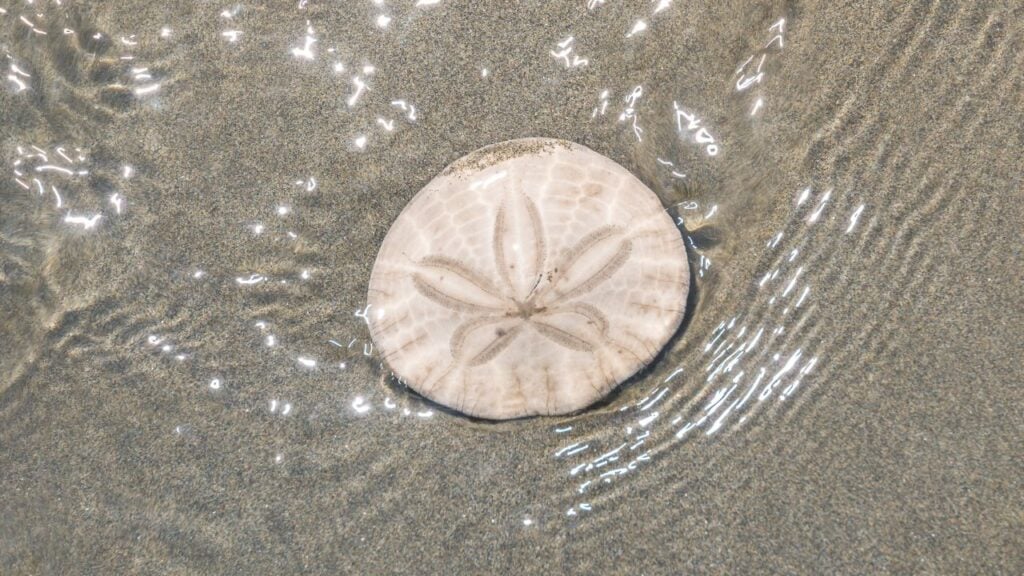
Washington’s coastline crosses state parks, a national park, tribal land, and marine sanctuaries, and each one sets its own rules for what a visitor can pocket.
A lot of harmless-looking beachcombing turns out to be against the law the moment you cross onto the wrong stretch of sand.
10 Washington Beach Finds Visitors Aren’t Allowed to Take Home
9 Things Washingtonians Get Wrong About Their Own State

Even longtime residents repeat the state’s rain reputation right along with the tourists.
The numbers don’t back that up the way many people assume, and that’s just the first thing Washingtonians get wrong about their own home state.
