
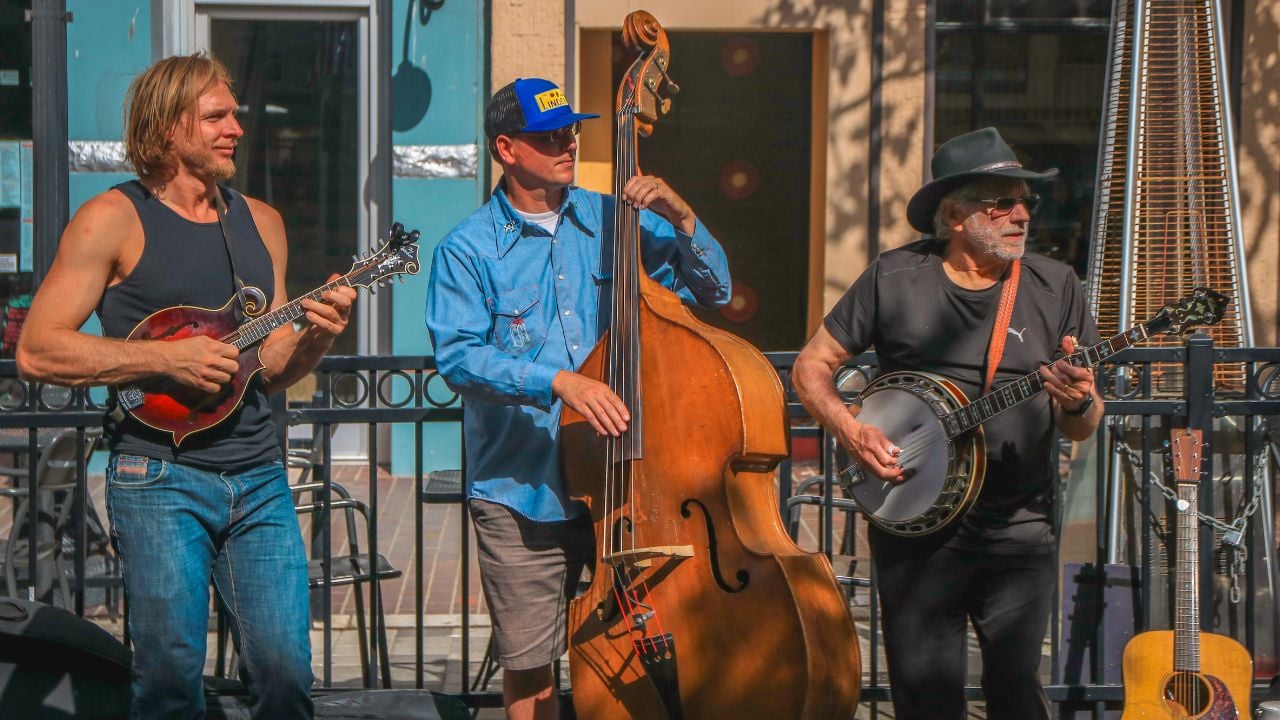
8 Bluegrass Jam Rules Tennesseans Expect Newcomers to Know

Sitting in on a bluegrass jam for the first time can feel like joining a conversation halfway through.
Tennesseans who play regularly follow unspoken customs that newcomers aren’t always told about.
Here’s what to know before you sit down with a group.
1. Watch the Circle First
Before you unpack at a bluegrass jam, find out whether it is open or closed.
Vivian T. Williams, in a jam etiquette guide on the Smithsonian Folkways website, says an open session welcomes anyone, while participants in a closed one want to play only with each other.
Blue Ridge Music Trails, a North Carolina Arts Council initiative, says to observe for a while to see how a particular jam is organized.
Sit and listen first.
If the jam doesn’t fit you, the Wernick Method guide says to look for another, start one or stay and listen.
2. Tuning Up
Your first move at a bluegrass jam is a tuner, not a song.
Wolfpack Pickers, a jam group at North Carolina State University, tells members to tune with a digital tuner before the first song and check again between songs.
Don’t try tuning by ear.
Blue Ridge Music Trails is looser, calling electronic tuners a great way to stay on pitch while noting that some players tune by ear to each other.
3. Songs the Circle Knows
For a bluegrass jam, Williams’ guide tells you to bring common-denominator tunes rather than “jam busters.”
Wolfpack Pickers defines a jam buster as a song outside bluegrass that participants don’t know, or one with too many chords or chord changes.
So unless the circle likes obscure tunes, save the one you learned last week for the living room.
Your turn to call a song will come, so think of one in advance instead of waiting until the circle reaches you.
4. Choosing the Key
What if the classic key of a bluegrass song doesn’t suit the person singing?
According to the Wernick Method guide, the singer calls the key and the others adapt.
Then the key you practiced may not be the key you end up playing.
5. Starting and Ending Songs
Start a bluegrass tune, and you usually get to decide when it ends, according to Williams’ guide.
Blue Ridge Music Trails goes further and calls ending it the leader’s responsibility.
If you’re leading, the Wernick Method guide suggests signals such as sticking a foot out, holding up your instrument or calling one last chorus.
Followers get a cue too, since they can listen for the instrumental licks that signal an ending.
6. Breaks Around the Circle
In Williams’ guide, everyone takes turns around the circle at a bluegrass jam.
When your turn comes, you play a break, which Blue Ridge Music Trails describes as an improvised lead for a few bars of the tune.
Be ready when the circle comes around to you, says Wolfpack Pickers.
If you don’t know the tune, you can pass on a break, but you should tell the person next to you in advance.
To signal your answer, make eye contact with the song leader and nod yes or shake your head no.
The Wernick Method guide agrees that nodding and body language offer, accept and decline a break.
7. Keeping the Volume Down on New Songs
At a bluegrass jam, a song you’ve never heard is your cue to keep the volume down.
Blue Ridge Music Trails says to keep your volume down until you get the hang of an unfamiliar tune, and to hang back if you lose your place.
Williams’ guide warns against playing loudly into anyone’s ear.
The Wernick Method guide says to turn down if you can’t hear the featured singer or soloist.
Your instrument may not seem as loud to you as it does to the person sitting in front of it.
8. Overplaying and Noodling
Keep the fancy stuff in check at a bluegrass jam.
According to Wolfpack Pickers, if heads turn to see what you’re doing instead of watching the lead, you’re too fancy.
The melody should come from the lead singer or one instrument, unless it’s your turn for a break.
Williams’ guide says it isn’t proper to play along loudly during someone else’s break.
Blue Ridge Music Trails says to resist noodling between tunes, since players use that gap to comment on the last tune and discuss the next one.
Leave room for the singer.
Psst! How jam-ready are you? Run through this checklist and see where you stand.
Bluegrass Versus Old-Time Jams
Old-time players don’t take breaks, Blue Ridge Music Trails says, and instead all play the tune in unison throughout.
That means a bluegrass jam’s break rules don’t carry over, so you’ll want to ask which kind of circle you’re joining.
The guide adds that old-time jams usually stay in one key for at least a few tunes, and sometimes for hours.
Public jams are often structured, with designated tune-leaders and an agreed-upon speed, slow for beginners and full speed for experienced players.
A Jam Isn’t a Concert
You’re not on stage here, and Blue Ridge Music Trails agrees that playing in a jam session isn’t like being on stage.
It’s okay to learn as you go, to make mistakes and to ask questions.
The Wernick Method guide asks you to give everyone a chance to shine and to be encouraging.
When other players want to solo, give them space and take turns.
A Sunday Jam in Nashville
Nashville’s Station Inn, a club that opened in 1974, is a good place for you to look for a bluegrass jam.
The club’s history page says owner J.T. Gray also offered an open jam session on Sunday nights.
Its events calendar has listed a Bluegrass Jam at 7 p.m. on Sundays, so you’ll want to check the calendar for the next date.
9 Gas Station Orders That Give Away a Lifelong Tennessean

Gas station orders can say a lot about where you grew up.
These are the orders that give away a lifelong Tennessean.
9 Gas Station Orders That Give Away a Lifelong Tennessean
8 Funeral Habits Tennesseans Say Have Gone Too Far
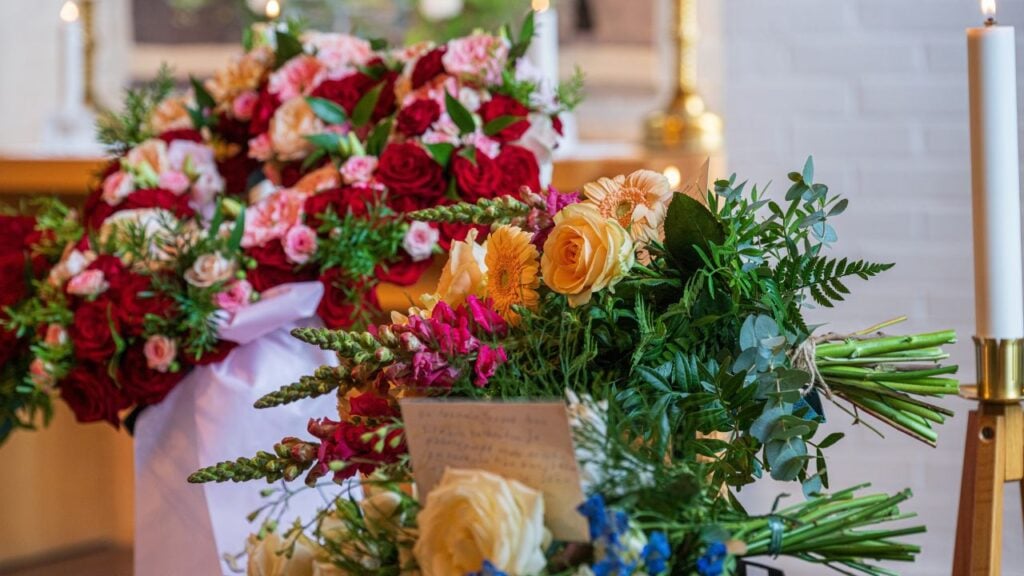
A lot of what Tennesseans do to say goodbye to their loved ones traces back generations.
Some of it has worn out its welcome.
