
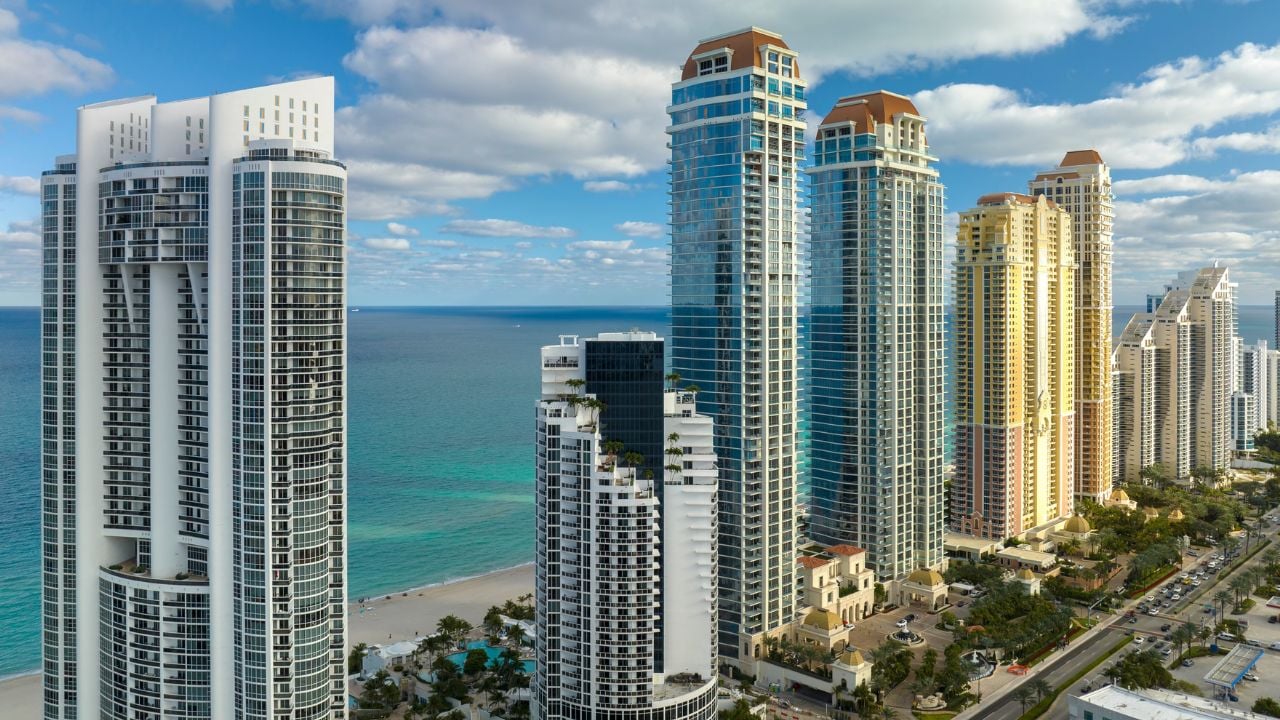
8 Condo Charges That Land on Florida Owners After a Milestone Inspection

A milestone inspection report doesn’t usually hand a Florida condo owner one bill.
It often hands them a stack.
Some of those costs show up on next month’s dues, and others wait until the unit goes up for sale.
These are the condo charges that land on Florida owners after a milestone inspection.
Note: This is general information, not legal or financial advice. Florida’s condominium inspection, reserve, and assessment rules have changed multiple times in recent years and are subject to change. Confirm the current requirements with the Florida Department of Business and Professional Regulation’s Division of Florida Condominiums, Timeshares, and Mobile Homes.
1. Phase Two Testing Fees
A milestone inspection in Florida only escalates to a second, more invasive round when the first one turns up trouble.
Any condominium three or more habitable stories tall has to complete that first inspection at 30 years old, or 25 years old in some coastal areas, then every 10 years after that.
A licensed engineer walks the building looking for cracks, spalling concrete, and rust stains bleeding through a wall.
Phase Two only starts once that report flags substantial structural deterioration.
Not a cheap fix.
Phase Two brings destructive or nondestructive testing: Core samples, sometimes exposed rebar.
The association passes that engineering bill on to every unit owner, stacked on top of whatever Phase One already cost.
What Triggers Florida’s Phase Two Inspection
Florida’s milestone inspection law only requires Phase Two when a licensed engineer’s Phase One report finds substantial structural deterioration, not routine wear like hairline cracks or faded paint.
A building that passes Phase One is done until its next required inspection, 10 years out, and the added Phase Two costs never apply to it.
2. Your SIRS Study Bill
A Florida milestone inspection now shares its toughest deadline with a second study.
Florida’s structural integrity reserve study (SIRS) comes due on its own timeline, but a board that’s behind gets one last way to catch up: Finishing the study alongside its milestone inspection.
Any condo three stories or taller has to complete a SIRS covering the roof, structural systems, fireproofing, plumbing, electrical systems, waterproofing and painting, windows and doors, and any other item over the state’s $25,000 threshold to replace.
Florida adjusts that $25,000 figure for inflation every year.
Associations that existed before July 2022 owed that first study by December 31, 2025.
Miss that, and pairing the study with a milestone inspection buys a board its last shot at compliance: December 31, 2026.
Boards racing that combined deadline often schedule the SIRS study for the same cycle as the milestone inspection, so both invoices arrive on the same budget.
The engineering firm’s invoice depends on the building’s size and how many systems it covers, and the association bills it like any other vendor invoice, spread across the owners’ dues.
Boards typically fold that cost into the regular budget as a line item instead of a one-time special assessment, though a board short on reserves can choose to bill it that way.
3. Bigger Reserve Payments
The same structural integrity reserve study that now rides along with a milestone inspection does more than sit in the official records.
Its funding schedule becomes the number a board has to hit, system by system, roof to plumbing to structural elements.
Florida condo boards used to have an annual escape hatch: A vote to waive or shrink reserve funding.
Many associations took that vote every year just to keep dues low.
Florida law shut that escape hatch for any budget adopted on or after December 31, 2024, for every system a structural integrity reserve study covers.
For calendar-year associations, that ban doesn’t change a budget until the one adopted starting January 1, 2026, since many boards had already locked in their 2025 numbers before the new rule took hold.
No more shortcuts.
For many associations, that turns whatever the SIRS findings call for into one of the biggest jumps in the whole budget, not the padded-down estimate an old waiver vote used to allow.
Reserve payments aren’t optional anymore, and filing the milestone inspection paperwork doesn’t make them go away.
4. One More Special Assessment
A milestone inspection’s Phase Two findings sometimes cost more than reserves and the regular budget can cover, and that’s when a Florida board reaches for a special assessment.
It’s a one-time bill, layered on top of the SIRS fee, the higher reserve line, and any Phase Two engineering already billed.
It’s rarely the only bill.
The amount varies so much by building age, repair scope, and how well-funded the association already was that no single number tells a Florida owner what to expect.
One Miami high-rise’s board levied a $21 million assessment for its structural repairs, and unit owners each covered a share running into the tens of thousands of dollars.
What’s certain is the timeline: State law gives associations up to 365 days from a Phase Two report to start the repair work the assessment pays for.
Psst! How exposed is your Florida condo to the next round of milestone inspection costs? Run through this checklist and see where you stand.
5. Interest on a Repair Loan
A milestone inspection that turns up costly repairs doesn’t wait for a Florida condo owner’s dues to catch up.
When Phase Two findings or a SIRS repair list outrun what reserves and a special assessment can raise fast enough, many Florida associations borrow the difference from a bank instead.
The loan is secured by the association’s right to collect fees and assessments, and the association repays it the same way: Through the owners’ dues, spread over several years.
That repayment carries interest on top of the repair cost itself, plus a lender’s closing and underwriting fees the association passes straight through to its unit owners.
Lenders that make these loans typically want at least 20 units in the building.
They won’t finance the whole repair bill, and they cap total borrowing near 20% of what the units are worth.
That’s why a loan usually rides alongside a special assessment instead of replacing it.
A Florida condo owner who assumed the special assessment was the last inspection-related bill ends up paying down the bank’s math for years afterward.
6. County Recertification Fees
A Florida condo owner in Miami-Dade or Broward County doesn’t stop at the state’s milestone inspection.
By the time a building turns 40, it’s already been through at least one milestone inspection cycle at 25 or 30 years old, and now the county’s own, decades-older recertification program comes due on top of it.
Miami-Dade’s version requires a structural and electrical recertification report and a $403.12 filing fee, with a civil fine of up to $10,510 for missing the deadline, plus the county’s own enforcement costs.
Broward runs its own 40-year program with a $350 filing fee.
Both are separate from the state’s milestone inspection law, filed with a different government office, on a different clock.
For a Florida condo owner in either county, the state’s milestone bill is only the first government inspection fee, not the last.
7. Higher Insurance Costs
Florida’s property insurers now factor a building’s milestone inspection paperwork into what they’ll charge to cover it.
Engineering reports, milestone inspection findings, and reserve study results all feed into how an underwriter prices a condominium’s policy.
Underwriters notice deferred maintenance fast.
A board that’s been putting off repairs the milestone inspection flagged tends to face worse insurance terms than one already acting on the report.
Either way, a milestone inspection can leave a Florida condo owner paying more through the association’s insurance line.
8. Disclosure Costs at Resale
A Florida condo owner selling after a milestone inspection can’t leave the report in a drawer.
State rules require an association’s milestone inspection report and structural integrity reserve study to sit in the official records, and a seller has to hand both over to a prospective buyer.
Nothing stays hidden at closing.
A report flagging deferred maintenance can do more than spook a buyer.
It can knock the building off the list of properties Fannie Mae and Freddie Mac will back with a conventional mortgage.
A 2025 review found 1,438 Florida condo buildings already on that list, 696 of them in Miami-Dade, Broward, and Palm Beach counties.
Once that happens, only two kinds of buyers can still close: Cash buyers, and buyers willing to accept a pricier loan that’s harder to qualify for.
Sellers sometimes end up paying to refresh an aging report, or cutting the price to attract the cash buyers still willing to close.
The Two-Year Pause Option
A milestone inspection in Florida comes with one way for an association to catch its breath.
A board that completes its milestone inspection within two years can pause reserve contributions for up to two budget cycles in a row, instead of funding everything at once.
A delay, not a discount.
The money still has to show up eventually, and a board that uses the pause can end up catching up right when Phase Two costs or a special assessment are already due.
A board that uses the full two-year pause still has to resume reserve funding at the SIRS-required level once that window closes.
The law built the whole trade-off around one goal: Give a board room to prioritize whatever critical repairs its milestone inspection found, before it goes back to saving for everything else.
9 Toll Mistakes That Cost Florida Drivers Money Every Month
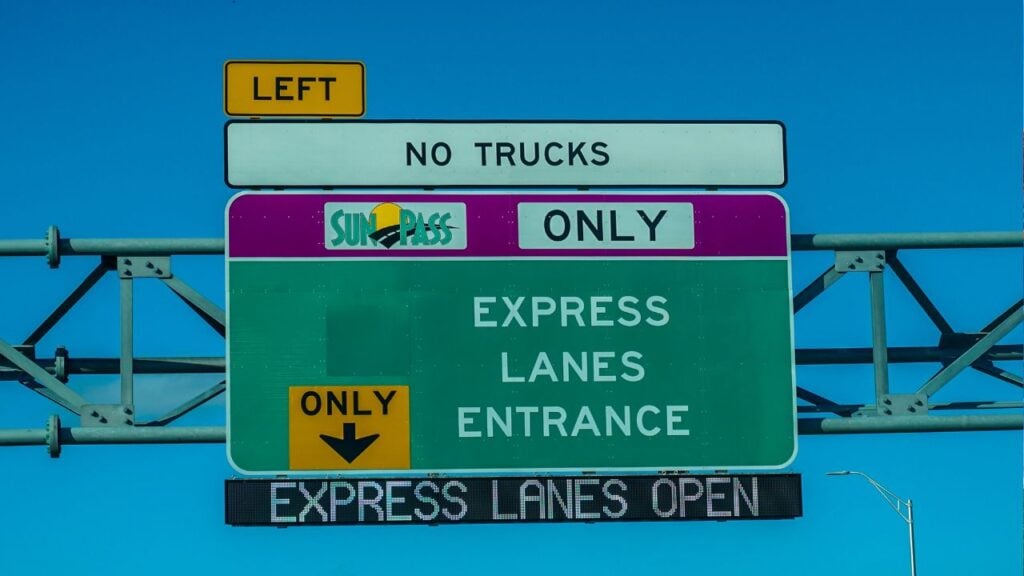
A missing SunPass transponder doesn’t just mean one bigger toll.
Florida piles its own administrative fee on top, and the cycle resets with every new invoice that goes unpaid.
9 Toll Mistakes That Cost Florida Drivers Money Every Month
9 Prescription Savings Florida Pharmacies Often Don’t Mention Unless You Ask

A shopper in Tampa pays full copay at the counter and drives home none the wiser.
A friend later mentions paying half that for the same prescription, at the same pharmacy, just by asking first.
9 Prescription Savings Florida Pharmacies Often Don’t Mention Unless You Ask
