
8 Costs a Florida Landlord Has to Cover That Renters Pay Anyway

A torn window screen in your Florida rental can be your landlord’s problem to fix.
Unless your lease says otherwise, a lot of repairs Floridians pay for out of pocket belong to the landlord.
Here are the costs a Florida landlord has to cover that renters often pay anyway.
Note: This is general information, not legal advice. Landlord and tenant duties, and how far a lease can shift them, are subject to change.
1. Roof and Structural Repairs
About 32% of Florida households rent, and Florida Statutes 83.51 makes the roof, exterior walls, and foundation as the landlord’s responsibility to pay to repair.
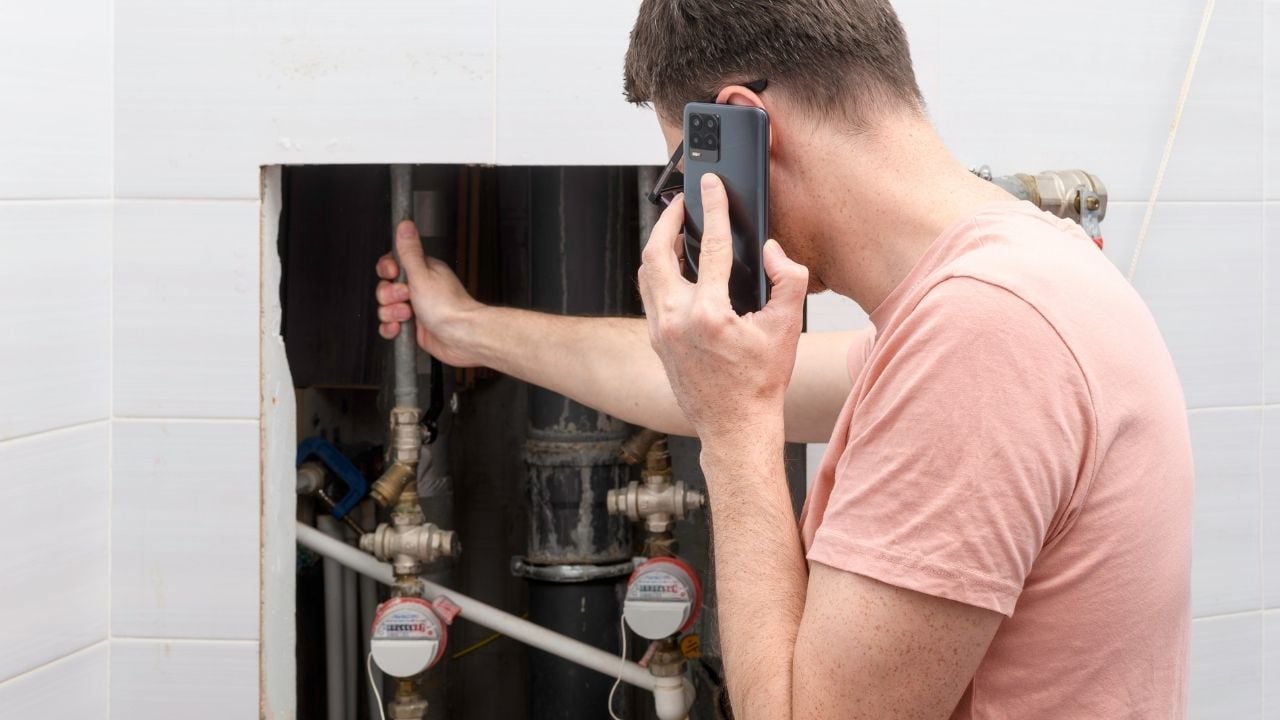
Plumbing counts too.
The same statute lets a landlord and a tenant sign that whole duty over to the tenant, in writing, for any single-family home or duplex.
A renter who skims past that clause can end up paying for a roof leak on a roof they don’t even own.
What Florida’s “Unless Otherwise Agreed” Clause Means
Florida’s landlord statute has two separate opt-out clauses, not one.
For a single-family home or duplex, the statute lets the roof, plumbing and screen duties be “altered or modified in writing.”
For every other kind of rental, the statute’s second clause opens with “unless otherwise agreed in writing” and covers pest control, locks, common areas, trash and hot water instead.
Both versions turn on the same two words.
Check the actual lease, not the listing, before assuming which of these duties still belongs to the landlord.
2. Plumbing Repairs
A slow drain or a running toilet falls on the landlord’s side of a lease, at least when the lease stays silent on it.
A single-family or duplex agreement can move that job to the tenant instead, in writing, the same way it moves the roof.
Left unchanged, Florida Statutes 83.51 requires the landlord keep the plumbing in “reasonable working condition,” the same phrase the statute uses for the rest of a home’s structure.
Renters who never read that far end up calling their own plumber.
Their bill, not the landlord’s.
3. Window and Door Screens
Florida law treats a torn screen in a rental almost like a cracked foundation.
The statute requires a landlord to install screens in reasonable condition when a tenant moves in, then repair damage to them once a year for as long as the lease runs.
It’s small, but never free.
A single-family or duplex lease can hand that yearly repair to the tenant in writing too.
A screen torn by a June tropical storm then turns into a hardware-store run on the renter’s own dime, instead of a call to the landlord.
Move-in checklists skip the screens often enough that a renter can go a full hurricane season without ever reading that clause.
4. Pest Control
Landlords answer for the bugs too, at least by default.
Bugs don’t ask permission.
The same statute clause, “unless otherwise agreed in writing,” moves the roof and the plumbing, and it covers pest control just as easily.
Left alone, Florida Statutes 83.51 requires a landlord renting anything other than a single-family home or duplex to handle extermination for rats, mice, roaches, ants, wood-destroying organisms and bedbugs.
The statute also requires seven days’ written notice before a tenant has to clear out for up to four days of treatment.
A renter calling their own exterminator is covering a job Florida law puts on the landlord by default.
5. Locks and Keys
Florida law puts working locks on the landlord’s list, not the tenant’s.
The same subsection that covers pest control also requires a landlord to keep locks and keys functioning for any rental other than a single-family home or duplex.
One clause, one exception.
The statute repeats the identical “unless otherwise agreed in writing” opener here, so a lease can shift lock repairs onto whoever signs it.
A renter replacing their own deadbolt is doing work the statute assigns to the landlord.
6. Safe Common Areas
Florida rent statements sometimes carry a separate line item, often labeled an “amenity fee” or “community fee,” and it traces straight back to a duty the state assigns to the landlord.
Under Florida Statutes 83.51, a landlord renting anything but a single-family home or duplex must keep hallways, stairwells and parking lots in a safe condition, from a lit stairwell to a walkway clear of trip hazards.
That duty carries the same written opt-out as pest control and locks, so many leases fund the safety work through that monthly fee instead of folding it into rent.
A tenant who never sets foot near the pool still pays that line item every month the lease requires it.
Everyone pays anyway.
7. Garbage Removal
Florida law even covers the dumpster.
The same subsection requires a landlord renting anything but a single-family home or duplex to provide garbage removal, right alongside pest control and safe common areas.
Trash costs, too.
Garbage is also one of the costs the statute names directly as something a written lease can shift to the tenant, alongside water, fuel and other utilities.
A separate “trash fee” line on a monthly statement is often that exact clause at work.
8. Heat, Hot Water and Running Water
Landlords carry the utilities that keep a rental livable, at least until a lease says otherwise.
The same “unless otherwise agreed in writing” clause that shifts pest control and common-area upkeep reaches heat and water too.
A lease can hand the water heater or the furnace to the tenant instead of the landlord who owns the building.
Left at the statute’s default, Florida Statutes 83.51 requires functioning heat during winter, running water and hot water for any rental other than a single-family home or duplex.
A cold shower from a dead water heater can be a maintenance call Florida law never meant the tenant to make alone.
Cold water isn’t optional.
What the Smoke-Detector Law Leaves Unsettled
Florida’s landlord-tenant statute stops short of the rest of this list when it comes to smoke detectors.
Under Florida Statutes 83.51, a landlord renting a single-family home or duplex only has to install working smoke detectors when a tenant moves in.
Nothing after that is spelled out.
No provision requires the landlord, or the tenant, to test the alarm or swap the battery for the rest of the lease.
Not even a battery.
A detector that starts chirping two years in becomes whoever notices it first, standing on a chair with a nine-volt battery in hand.
Florida law does reach the hardware in one narrow way.
Under Florida Statutes 553.883, when a single-family home, duplex or townhome undergoes a repair or a Florida Building Code “level 1 alteration,” any smoke alarm going in has to run on a sealed battery built to last at least 10 years.
That sidesteps the chair-standing problem for newer installations.
Psst! How much do you know about Florida’s other landlord-tenant rules? Take our quiz and see how many you can get right.
Quiz
Florida Landlord Law IQ
Answer these questions on the Florida rental rules that never make it into this article. We bet you can’t get them all right. Prove us wrong?
Which of these can a Florida landlord legally do to push a tenant out without going to court first?
Where These Disputes Usually Land
Florida Statutes 83.49 gives a landlord 15 days after a lease ends to return a security deposit in full, or 30 days to send written notice of exactly what they're keeping and why.
The tenant then gets 15 days to object to that notice in writing.
Paper beats memory.
A deduction for pest control or lock damage that traces back to a duty the lease moved onto the tenant is exactly the kind of line worth challenging inside that window.
If you miss the 15 days, the claim usually stands.
9 Florida Building Code Rules That Surprise New Homeowners

Miami-Dade and Broward counties build to a tougher hurricane code than the other sixty-five counties in Florida, a difference many new homeowners never hear about until a contractor mentions it.
These are the building code rules that catch new homeowners completely off guard.
9 Florida Building Code Rules That Surprise New Homeowners
10 Things Your Florida Garbage Collector Wants You to Know

Many Floridians stop thinking about their trash the moment it hits the curb, but the crew picking it up doesn't get that luxury.
A bin in the wrong spot or a bag packed too heavy can slow an entire route, damage equipment, or put a worker at risk.
