
8 Georgia Boating Rules That Trip Up First-Time Renters

Georgia’s boater safety law carries an 11-year-old’s name.
Kile Glover died after a personal watercraft crash on Lake Lanier, and state lawmakers named the law after him the following year.
It reaches renters too.
These are the Georgia boating rules that catch first-time renters off guard.
Note: This is general information, not legal advice. Boating registration and safety rules are subject to change, so confirm the current requirements with the Georgia Department of Natural Resources.
1. Skipping the Rental Video
In Georgia, a marina can’t just hand a boat renter the keys.
State law requires every operator of a rented vessel with 10 horsepower or more to watch a short safety video and sign a written checklist before taking the wheel, not just the person whose name is on the contract.
That includes a spouse, a friend, or a teenager along for the ride who ends up driving for twenty minutes.
First-time renters usually assume this is the marina’s own paperwork.
It isn’t.
It’s Georgia law, and skipping it can leave a renter operating illegally even with a signed rental agreement in hand.
2. Renting Under 16
A Georgia rental counter won’t hand a powerboat to a teenager, no matter who’s standing next to them.
State law bars anyone under 16 from renting or leasing a vessel with 10 horsepower or more, and a parent’s signature doesn’t change that.
A 15-year-old can’t be the renter of record even with a competent adult sitting right beside them the whole trip.
The rental has to go under an adult’s name.
Full stop.
3. Missing Your Boater Card
Georgia’s boater education law is named for Kile Glover, an 11-year-old killed in a personal watercraft collision on Lake Lanier, and the requirement it created reaches far past boat owners.
Anyone born on or after January 1, 1998 has to complete a boating safety course approved by the Georgia Department of Natural Resources (DNR) before operating any motorized vessel on Georgia waters.
That includes rentals.
By 2026, that covers nearly every renter under 28.
Proof means a physical boater education card or a Georgia driver’s license carrying the boater endorsement, a small anchor symbol the Department of Driver Services adds on request.
Show up without either one, and the rental counter can turn a renter away before the trip even starts.
4. Leaving Your ID Behind
Showing a photo ID at the counter isn’t enough under Georgia law.
State law requires proper identification to stay in the boat the entire time someone is operating it, whether that’s a driver’s license or another government-issued card with a photo, a description, and a birth date.
Leave a wallet in the car, and the operator is technically out of compliance the second the boat pulls away from the dock.
Georgia DNR rangers can and do ask for it on the water.
No ID, no exceptions.
5. Stashing the Life Jackets
Under Georgia law, a life jacket is something you wear, not something you own.
State law requires every rider under 13 to physically wear a Coast Guard-approved life jacket the entire time the boat is moving, not just have one within reach.
A stack of jackets in a dry storage bin doesn’t count.
They have to be worn.
The only exception is a child riding inside a fully enclosed cabin, which most rental pontoons and runabouts don’t have.
Inflatable vests carry their own catch, too: They’re not built for a child under 90 pounds, since a small kid can slip right out of one.
Psst! How much do you know about Georgia’s lakes and boating history? Take our quiz and see how many you can get right.
Quiz
Georgia Waters IQ
Answer these questions on Georgia’s lakes, rivers, and boating history. See how many you can nail.
A Georgia lake still holds the world record for the largest largemouth bass ever caught. Which lake?
6. Forgetting the Fire Extinguisher
Georgia's required-equipment checklist doesn't stop at life jackets.
Any rental boat with an enclosed engine, a closed living space, or a fixed fuel tank has to carry a charged, Coast Guard-approved fire extinguisher, and it's the operator's job to confirm it's aboard and working, not just trust the marina stocked one.
Sound-producing devices and working navigation lights make the same list.
Both are mandatory.
Rangers check for all of it during routine stops, and a missing extinguisher can turn a pleasant afternoon into a citation.
7. Gunning It Near the Dock
Georgia enforces a hard speed limit on the water that catches almost every new boater off guard.
The 100-foot law requires idle speed within 100 feet of docks, moored boats, swimmers, bridges, and shorelines next to a home, park, beach, marina, or restaurant.
Renters pulling away from a marina slip are often already breaking it before they clear the no-wake buoys.
Jumping another boat's wake inside that 100-foot zone is illegal too, and so is using a personal watercraft to splash someone standing on a dock.
Idle means idle.
Georgia DNR rangers patrol for this constantly on Lake Lanier and Lake Sinclair during busy summer weekends.
8. Misreading the BUI Limit
A first-time renter climbing onto a rental boat in Georgia often expects the same open-container rule as their car: No drinking behind the wheel.
Georgia's open container law doesn't apply to boats at all.
A passenger can hold an open beer with no issue, and Georgia's boating under the influence (BUI) law doesn't ban the operator from drinking either.
What matters is the number.
Anyone 21 and older is legally impaired at a blood alcohol level of 0.08, the same threshold Georgia uses for driving.
Anyone under 21 hits that line at just 0.02, which is close to zero.
A boat owner who lets a visibly impaired renter take the wheel can be charged too, right alongside the renter.
Where Georgia Draws the BUI Line
Georgia's blood alcohol threshold for boating isn't just one hard cutoff.
A chemical test of 0.05 or less creates a legal presumption that the operator wasn't impaired.
A result above 0.05 but under 0.08 creates no presumption either way, so an officer's own observations on the water, like slurred speech or trouble docking, can still support a charge.
At 0.08 or above, Georgia law presumes the operator was under the influence.
Why Georgia's Lakes Draw Many First-Timers
Georgia's lakes pull in a lot of boaters who've never driven one before, and the numbers back that up.
Lake Lanier alone draws roughly eight million visitors a year, spread across 10 full-service marinas and 38,000 acres of water.
Rental fleets on lakes like Lanier, Hartwell, and West Point exist because so much of that traffic shows up without a boat of its own.
That's the business.
Marina slips at Lanier fill up fast on a summer Saturday, and rangers there work rental weekends harder than almost any other shift on the calendar.
Aqualand Marina alone carries more than 1,700 wet slips, making it the largest inland marina in the country.
8 Things to Know About Georgia's Newest UNESCO World Heritage Site
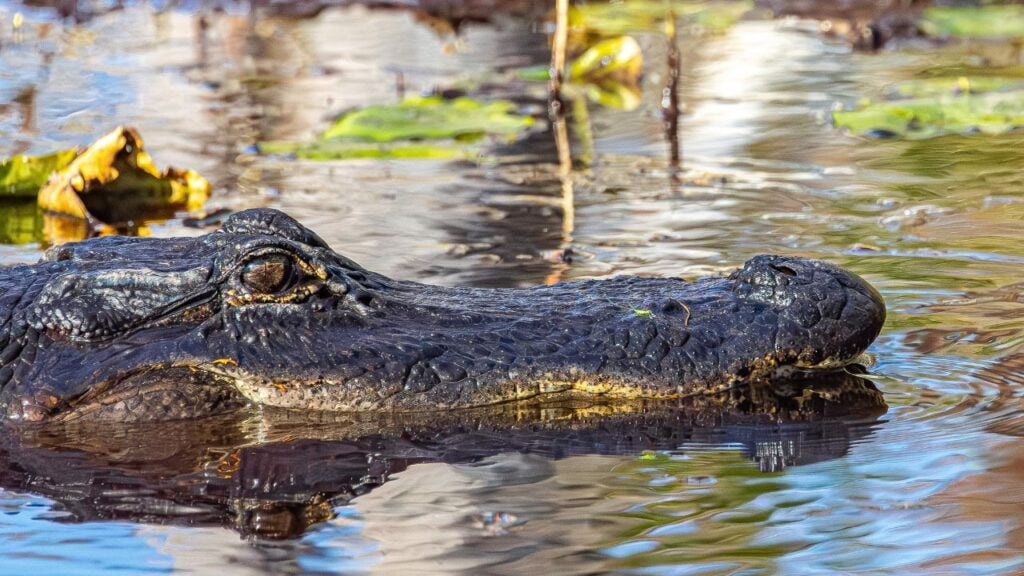
Georgia went its whole history without a single world-famous natural title, until summer 2026 arrived.
A tea-black swamp many Georgians have never paddled through landed on UNESCO's list, alongside the Grand Canyon and the Great Barrier Reef.
8 Things to Know About Georgia's Newest UNESCO World Heritage Site
8 Georgia Coastal Towns Locals Love (and Tourists Overrun)
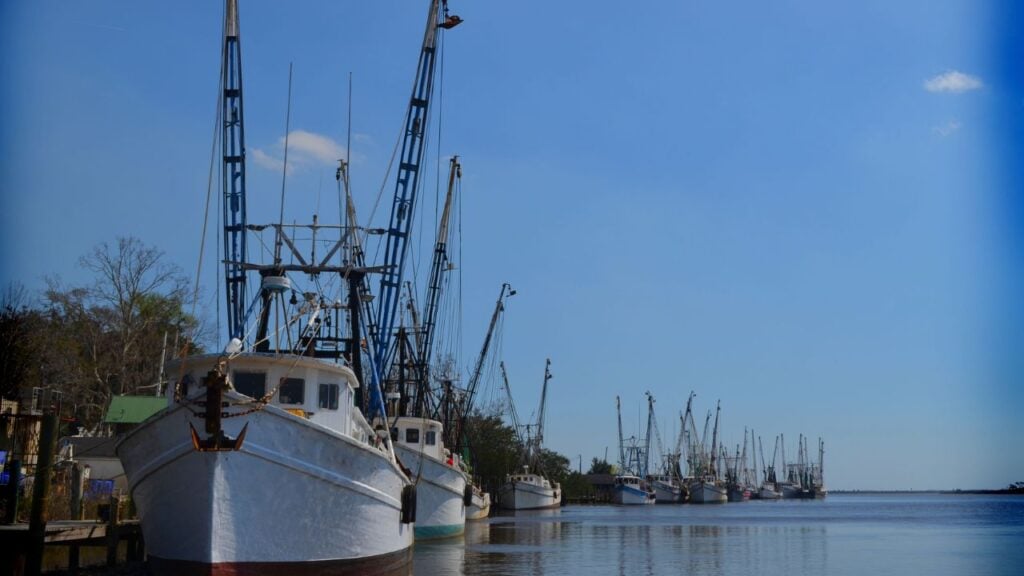
Georgia's coastline runs about 105 miles, shorter than a single stretch of Florida's.
Much of it isn't a beach a car can reach, so a boat, a ferry, or a local with a dock decides who gets to five of the state's best stretches.
