
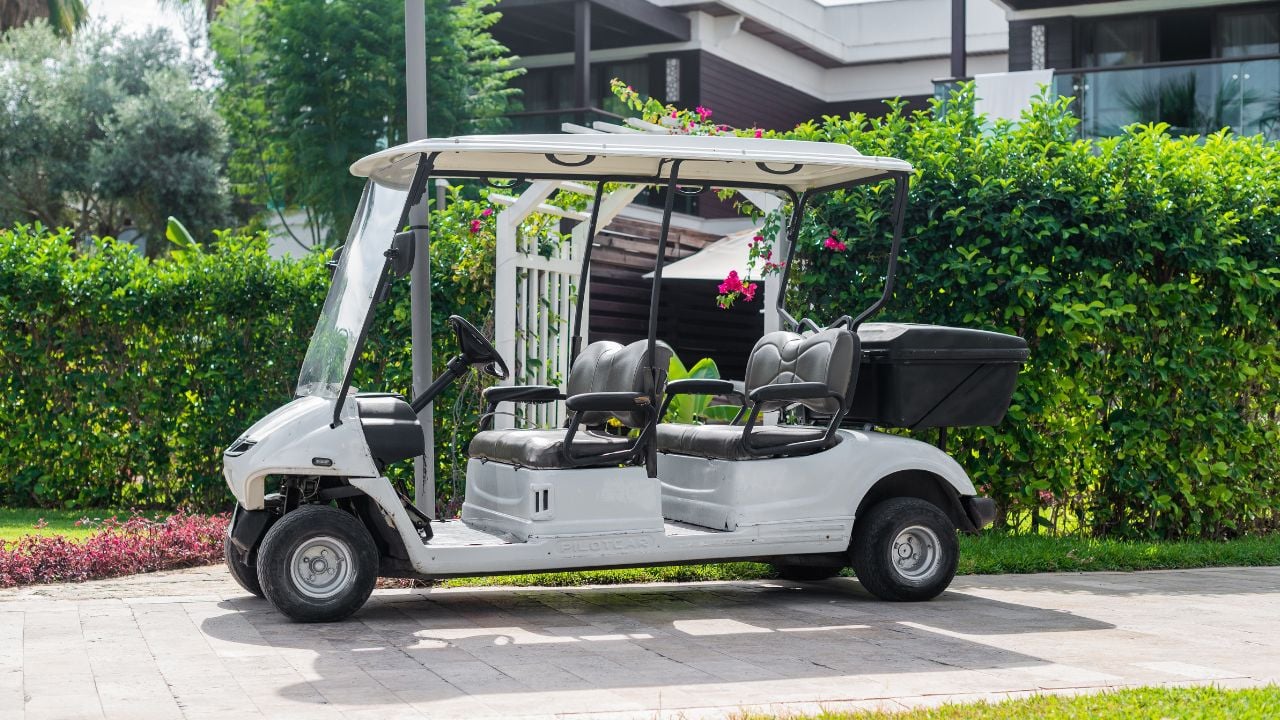
8 Golf Cart Rules South Carolinians Break in Their Own Neighborhood

South Carolina rewrote its golf cart law in 2025, and the fine print still caps a permitted cart’s trip on a public street at four miles from home.
Not everyone knows that.
These are the South Carolina golf cart rules some South Carolinians break in their own neighborhood.
Note: This is general information, not legal advice. Golf cart rules can vary by county and are subject to change, so confirm the current requirements with the South Carolina Department of Motor Vehicles.
1. Driving Without a License
South Carolina requires a golf cart driver on a public street to be at least 16 and hold a valid driver’s license.
Many neighborhoods hand the wheel to whoever’s tall enough to reach the pedals.
A 13-year-old circling the block with a cousin riding along breaks the law at the first stop sign.
It’s not a technicality.
The same rule requires that driver to carry the license, the registration certificate, and proof of insurance every time the cart leaves the driveway.
2. Skipping the Insurance
South Carolina’s golf cart law also requires proof of liability insurance before a cart ever touches a public road.
Many driveways down the street hold an uninsured cart that never leaves the neighborhood.
Until it does.
Coverage isn’t optional.
South Carolina’s golf cart application, filed with the Department of Motor Vehicles (SCDMV), makes the driver certify under penalty of perjury that the coverage exists.
It has to stay in force for the whole registration period.
Parked in a garage, an uninsured cart breaks nothing.
Drive it on the street uninsured, and the driver is breaking the law every trip.
3. No SCDMV Decal
Every golf cart driven on a South Carolina public street needs a permit decal and registration certificate from SCDMV before the first trip to the mailbox.
The decal requirement carries weight, not just paperwork.
The fee is five dollars, and the owner has to renew the decal every five years or whenever the address on file changes.
A lot of neighborhood carts have never seen that decal.
They roll straight from the golf course to the school bus stop with nothing on the bumper to prove they’re legal.
What a Golf Cart Ticket Costs
South Carolina treats many golf cart violations, a missing decal included, as misdemeanors under Chapter 2 of the state’s motor vehicle code.
A judge can fine a violation up to $100, or hand down as many as 30 days in jail.
That same $100 cap covers the license, insurance, decal, mileage, daylight, and speed-limit rules covered here.
4. Wandering Past Four Miles
Without a local ordinance saying otherwise, South Carolina’s golf cart law keeps a permitted cart within four miles of the address on its registration certificate.
That same four-mile limit applies from a gated community’s entrance, too.
That’s the whole radius.
Take that Saturday grocery run outside the radius, and the driver has broken the rule, ordinance or not.
The 2025 rewrite that created SCDMV’s decal system kept this exact limit in place.
Only a county or city can widen it.
5. Night Rides With No Lights
South Carolina’s default rule limits a golf cart to daylight hours on a public street unless the county or city passes an ordinance allowing night use.
Even then, the cart needs working headlights and taillights before dark.
Many neighborhoods have never passed that ordinance.
Ride home from a cookout after sunset with no ordinance and no lights, and the driver has broken two rules in one trip.
No ordinance doesn’t mean no violation.
6. Crossing Onto Faster Roads
A golf cart in South Carolina can only travel on a road posted at 35 mph or under. It can cross a faster road at an intersection.
It just can’t drive along one.
Many neighborhoods border a road that runs higher than that.
That two-hundred-yard shortcut through the entrance onto the four-lane, headed for the gas station, isn’t legal, permit or not.
Crossing is allowed.
Driving the shoulder isn’t.
7. Skipping the Seat Belts
South Carolina law requires every golf cart passenger under the age of 12 to wear a fastened safety belt on a public street or highway.
Nobody’s exempt.
Many neighborhood carts pack in four or five kids for a ride to the pool, with zero belts fastened.
Some carts don’t have a single belt installed to begin with.
That’s still on the driver, not the cart.
The rule reads the same for a two-minute ride to a neighbor’s driveway as it does for a cross-town errand.
8. Drinking and Driving
South Carolina law defines a motor vehicle as any self-propelled vehicle, and a golf cart on a public street fits that definition as cleanly as a car does.
That means South Carolina’s driving-under-the-influence (DUI) laws apply the same way a car would face them, same impairment standard and all.
A lot of neighborhoods treat the evening cart ride to the clubhouse, drink in the cup holder, as harmless.
It isn’t.
A golf cart DUI carries the same charges, the same court date, and the same record as one behind the wheel of a car.
Psst! Run your golf cart against South Carolina’s actual rules. See which of these you’re already breaking.
When Local Ordinances Override the Default
Every default rule above changes the moment a county or municipality passes a golf cart ordinance.
Nothing here is uniform.
State law lets local government widen the mileage limit, allow night operation with headlights and taillights, or mark off a separate cart path along the road shoulder.
Every version of that still keeps carts off roads faster than 35 mph.
6 School Bus Laws That Cost South Carolina Drivers a Fine and Points
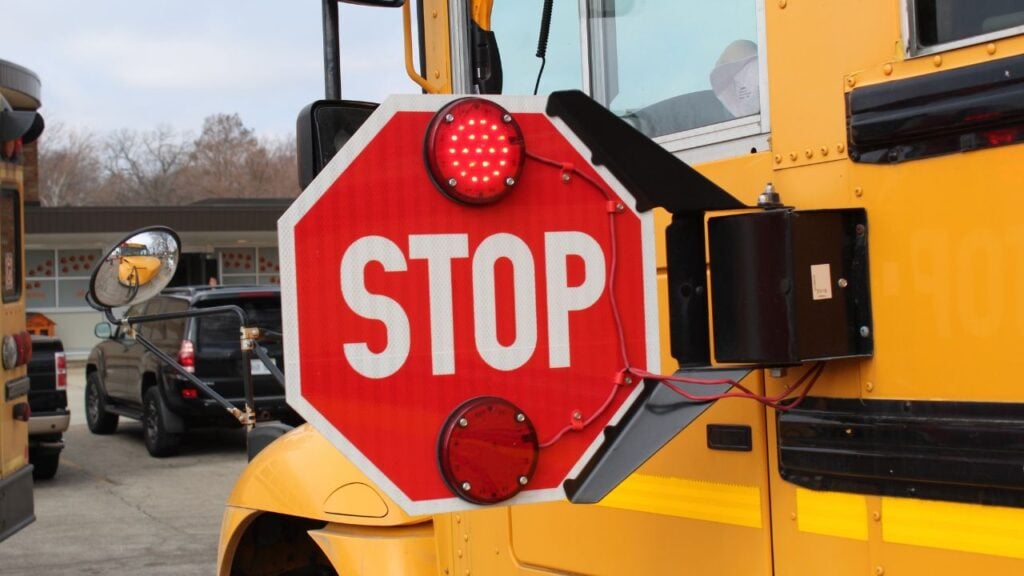
A South Carolina driver can lose six points on a single school bus stop-arm ticket, the steepest hit the state hands out on any license.
The fine attached ranges anywhere from $500 to $25,000, and many drivers never see it coming until the citation lands.
6 School Bus Laws That Cost South Carolina Drivers a Fine and Points
6 Arguments South Carolina and Georgia Will Never Settle
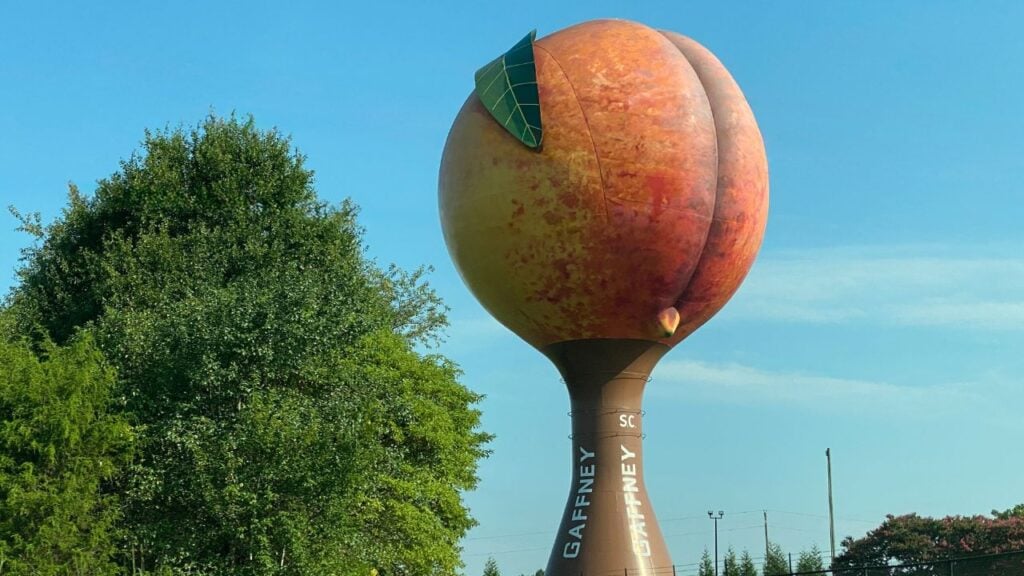
South Carolina and Georgia have argued over their shared border for so long that the Supreme Court has stepped in more than once.
The fights run from a stretch of river to a rivalry that shows no sign of settling down.
