
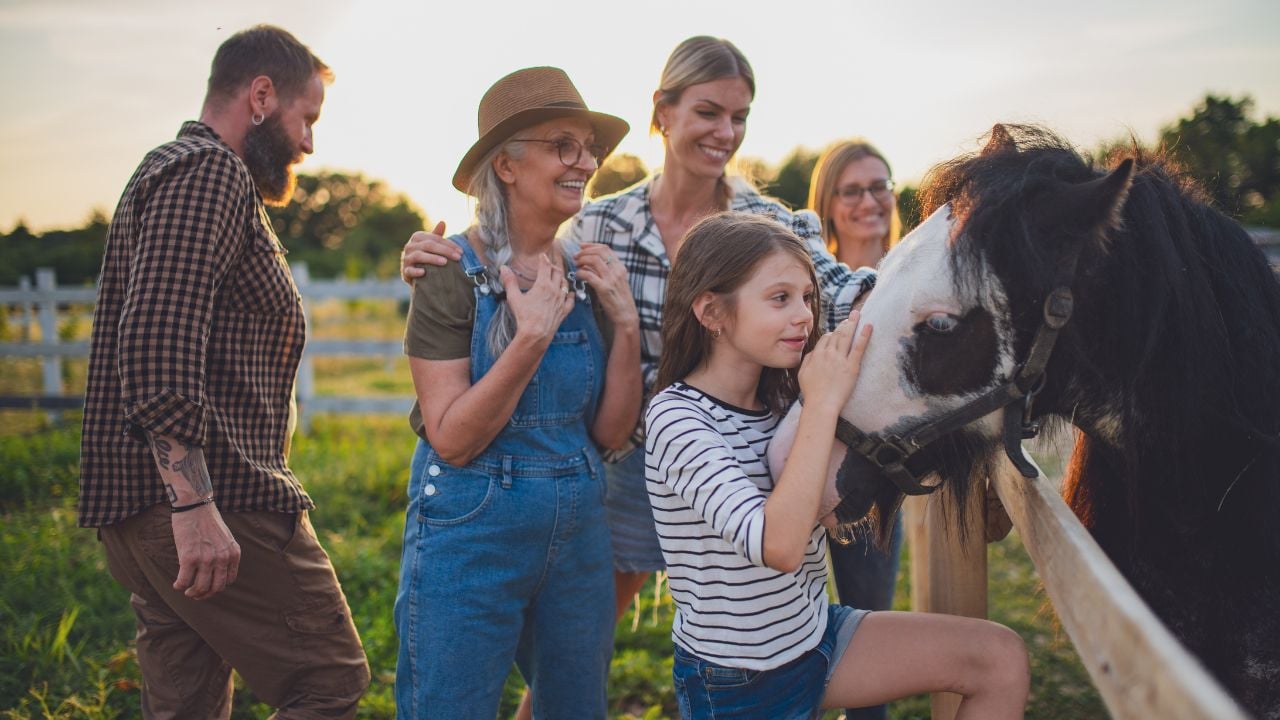
8 Horse Farm Tour Rules Kentuckians Wish Tourists Knew Before They Visit

Horse Country, the nonprofit that books tours for many of the region’s working farms, says flatly that on-site reservations aren’t available.
There’s no walking up to a gate in the Bluegrass.
A family can plan a whole trip around a stallion barn and still end up parked outside a locked one.
These are the horse farm tour rules Kentuckians wish tourists knew before they visit.
1. Tiny Group-Size Caps
Kentucky horse farm tours book by the time slot, and every slot carries a hard ceiling on group size.
Pin Oak Stud’s training center experience tops out at 10 guests a session, while WinStar Farm’s stallion barn tour allows up to 25.
That’s a wide gap.
Spendthrift Farm sits at the opposite extreme, since its Stallion Complex Tour will sell a single seat with a stated capacity of just 1 to 10 guests.
A group of 12 celebrating a birthday weekend can’t book that tour as one party, no matter how far ahead anyone calls.
2. A Reservation, Not a Walk-Up
Kentucky horse farm tours don’t take guests who simply drive up and ask.
Horse Country, the nonprofit that books tours for many of the region’s working farms, states flatly that on-site reservations aren’t available at all.
Every guest has to be booked and confirmed ahead of time, even the kids.
Claiborne Farm’s tour calendar goes further and blacks out entire weeks, including the stretch running through September 20 for Keeneland’s September Yearling Sale.
The whole week disappears from the calendar, not just the one day of the Yearling Sale.
No exceptions.
A farm that looks wide open on a map can be shut to visitors that exact day, appointment or not.
3. No Rideshares Through Some Gates
Mill Ridge Farm tells visitors, in writing, exactly how they’re allowed to arrive.
Its visitor instructions say the farm is reachable only by personal vehicle, and that taxis and rideshare apps aren’t permitted at all.
What good is a rideshare app against a policy like that?
Pin Oak Stud runs a similar rule during its nursery tour, where guests caravan their cars through the property instead of parking once.
That rules out a quick cab ride from a downtown Lexington hotel.
Not even for errands.
Horse Country’s general policy is looser, and many farms do allow a rideshare drop-off.
Just line up the return ride ahead of time instead of hailing one on the spot.
Read the fine print on each farm before booking a car.
4. Farm Tours, Not the Horse Park
Kentucky horse farm tours never promise which horses a visitor meets, since every stallion, mare, and foal keeps the farm’s schedule instead of the tour’s.
WinStar Farm says so outright on its stallion tour page: No stallion appearance can be guaranteed on any given tour, since the animal’s health and daily routine come first.
Spendthrift Farm carries the identical caveat on both its shuttle and stallion tours.
A tour ticket buys admission.
Not a guaranteed sighting.
The Kentucky Horse Park runs on the opposite promise, since its Hall of Champions show and horse-drawn trolley are fixed daily exhibits built for guaranteed viewing, no appointment required.
A family that books a private farm tour hoping to meet one favorite stallion can leave having seen every other horse on the property instead.
What a Horse Farm Tour Costs Versus the Kentucky Horse Park
The Kentucky Horse Park charges $28 for an adult ticket bought the same day, walk-up, with next-day admission thrown in for free.
A single seat on a private farm’s tour runs $20 to $40, reserved through Horse Country before the visitor ever leaves for Kentucky.
That booking often has to happen days or weeks out, during a big sales week or Derby season.
5. Dogs Left at Home
Horse Country’s policy keeps personal pets off every one of its member farms during a tour, no exceptions for a small or well-behaved dog.
No dog, period.
The animal can’t even wait it out in the car on the property.
Claiborne Farm posts the same rule on its website, spelled out right alongside no picnicking and no unauthorized tours.
No amount of good behavior earns an exception.
Compare that to the Kentucky Horse Park down the road, which welcomes leashed pets across many of the grounds.
One horse attraction and one working horse farm can sit twenty minutes apart with opposite rules for the family dog.
6. Late Arrivals, Left Behind
Kentucky horse farm tours run on a fixed clock built around the horses’ care schedule, not around traffic on I-64.
WinStar Farm says as much in its fixed schedule.
A public tour can’t wait on a late guest because that isn’t fair to everyone else who showed up on time.
Arrive five minutes late, and the group may already be walking the barn without you.
Arrive too early and it’s almost as awkward.
Horse Country asks guests not to show up more than 15 minutes ahead of the start time, since many farms have nowhere built for visitors to wait.
Every minute counts.
Cancellations and no-shows fare no better, since nearly every tour requires 48 hours’ notice for any refund.
Plan the drive with room to spare.
7. No Restroom Guarantee
Kentucky horse farm tours don’t come with a guaranteed restroom, so confirming access before booking beats finding out mid-tour.
Mill Ridge Farm’s tour instructions warn that no public restroom exists anywhere along its route.
Handle that before arrival.
Claiborne Farm takes the opposite approach, with two restrooms built into its Visitor Center for anyone checking in before a stallion tour.
Neither setup is universal, and nothing on a booking page spells out which one a visitor will get.
A stop in town before the drive out solves it either way.
Psst! How horse-farm-tour-ready are you before you head to Kentucky? Run through this checklist and see where you stand.
8. The Guides’ Distance Rules
Kentucky horse farm guides set the actual rules for touching or feeding a horse, and those rules change from farm to farm.
Mill Ridge lets visitors feed carrots straight over the fence, but only on a flat, open palm with the fingers tucked back from the horse’s teeth.
WinStar Farm goes the other way and keeps guests from touching its mares and foals at all, citing the biosecurity a farm that size has to maintain.
That’s the horse’s call.
Asking nicely doesn’t change a biosecurity policy.
A guide’s word on flash photography, hand placement, and how close to stand overrides whatever a visitor assumed walking in.
Spendthrift Farm’s shuttle tour draws a similar line, letting guests feed treats to mares and foals at every stop while keeping stallions like Beholder off that particular tour entirely.
9 Things That Change the Second You Cross From Ohio Into Kentucky
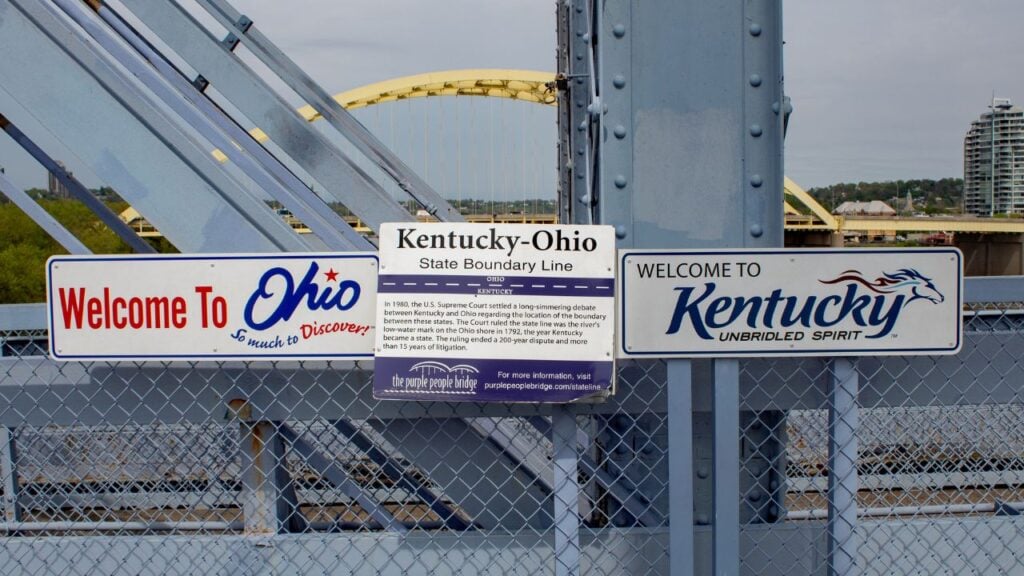
Drive across the Roebling Suspension Bridge from Cincinnati, Ohio, and Covington, Kentucky waits on the other side, a crossing that opened in 1867 as the longest suspension bridge on Earth.
Nothing about the bridge itself looks different, but the tax on the receipt and the price at the pump change before the tires finish rolling across it.
9 Things That Change the Second You Cross From Ohio Into Kentucky
9 Kentucky Foods That Horrify the Rest of the Country
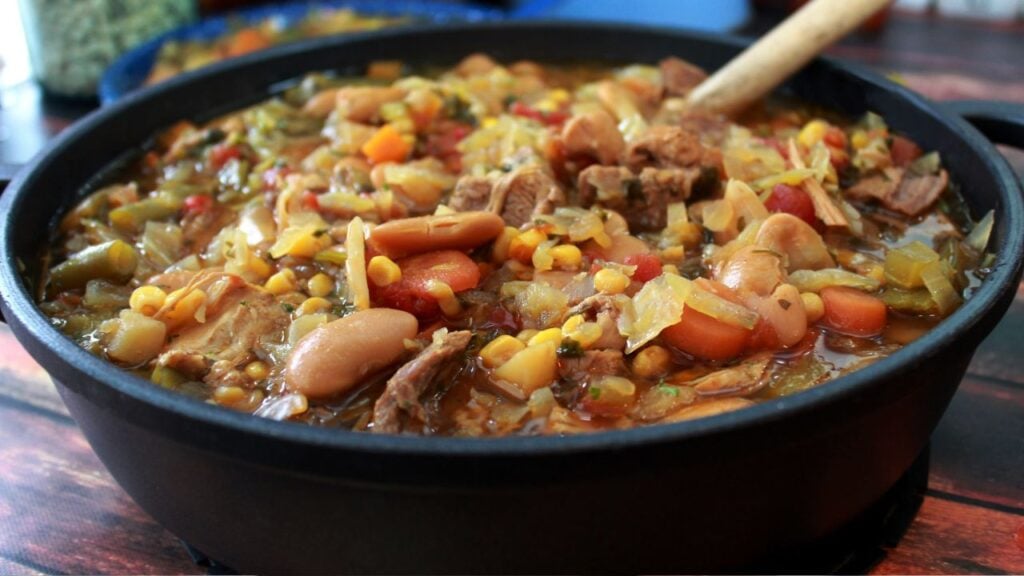
Order breakfast at a diner outside Covington, and the waitress sets down something the menu just calls goetta.
Ask what’s in it, and the honest answer is a Kentucky food that makes the rest of the country do a double take.
