
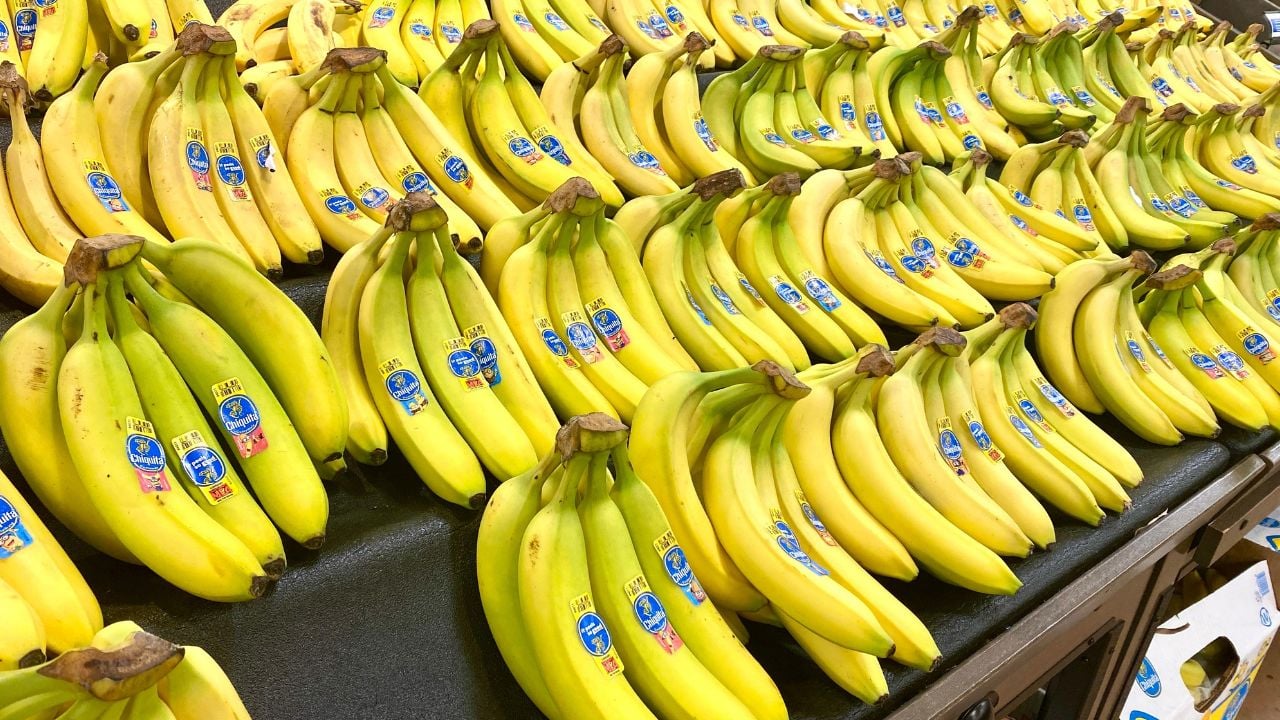
8 Kroger Traps That Cost Georgia Shoppers Money

A Decatur shopper scans her Kroger Plus card and watches the total drop by a few dollars, certain she caught every deal.
She might not have.
These are the Kroger traps that cost Georgia shoppers money.
1. Buy 5, Save $5 Squeeze
Kroger’s Mega Event deal looks simple.
Buy five tagged items, and Kroger knocks a dollar off each one.
Grab four instead of five, and the whole discount disappears, not just part of it.
It’s all or nothing.
The tagged products don’t always match what’s running in that week’s paper flyer. So, a shopper working straight off the mailer might miss a good portion of the promotion without knowing it.
Kroger stores print the Mega Event tag right on the shelf strip, easy to walk past while reaching for a familiar box.
Buy seven tagged items instead of five, and every item past five earns a dollar off, with no limit on how many you add.
Scan your Kroger Plus card at checkout, or none of it counts, no matter how many tagged items sit in your cart.
2. Digital Coupons You Forgot to Clip
A coupon sitting unclipped in the Kroger app is worth exactly nothing at checkout.
Kroger runs almost entirely on digital-first coupons now, so a deal has to load onto your account before you shop, not while you’re standing at the register.
Miss that step, and the item rings up at full price with no discount to catch your eye.
Nothing.
One longtime Cincinnati-area shopper told a local news crew her clipped coupons and fuel points fail to apply 80% of the time, which makes the receipt worth a glance before you leave the store.
Kroger says its customer service desk can pull up digital coupon pricing without the app, so a dead phone battery doesn’t have to cost you the deal.
Ask for it at the counter, and a cashier can usually apply the price on the spot.
3. Fuel Points That Expire on You
Every dollar spent at Kroger earns a Plus card member roughly a point toward gas.
Stack up 100 points, and Kroger knocks a dime off every gallon at a participating fuel center, up to a dollar off per gallon.
That adds up fast at the pump.
Here’s the catch: Points expire on the last day of the month after you earn them, and they never carry over.
Earn a stack of points in June, and they vanish on July 31 whether you used them or not.
Gone.
A month’s worth of points can vanish before the tank runs low enough to use them.
4. Georgia’s Local Grocery Tax
Georgia exempts groceries from its 4% state sales tax, and many shoppers stop reading right there.
That exemption only covers the state’s share.
Cities and counties still charge their own local sales tax on food, and that piece never goes away, no matter what the state exemption promises.
DeKalb County shoppers, Cobb County shoppers, and Fulton County shoppers all pay a different local rate on the same cart of groceries, typically two, three, or four cents on the dollar depending on the county, topping out around four cents in Fulton County.
Cross county lines on your Kroger run, and your grocery bill’s tax line moves with you.
Many shoppers assume Georgia groceries ring up tax-free.
They don’t.
Psst! How much do you know about Kroger’s history? Take our quiz and see if you can ace it.
Quiz
Kroger History IQ
Answer these questions on Kroger’s history and its place in grocery firsts. We bet you can’t get them all right. Prove us wrong?
How much money did Barney Kroger start his very first grocery store with, in 1883?
5. Shelf Price Without Your Plus Card
Kroger runs two prices on the same shelf tag at many of its Georgia stores, a regular price and a lower price for Plus card members.
Skip signing up for the free card, and you'll likely pay the higher shelf number instead.
The card costs nothing.
Signing up takes a phone number and a couple of minutes at the customer service counter or in the app, yet many occasional shoppers never bother because they only stop in once or twice a month.
Those are exactly the trips where the gap between the two prices adds up the fastest.
Forget the card at home, and Kroger will often still apply member pricing if you give the cashier your phone number instead.
That phone number workaround rarely comes up unless a shopper asks first.
6. Boost Membership's Automatic Renewal
Boost is Kroger's paid membership program, sold in two tiers.
Boost Essential runs $69 a year for next-day delivery, and the full Boost membership runs $99 a year for delivery in as little as two hours.
Both come with a free trial.
Sign up for that trial and forget to cancel, and Kroger charges your card for the full year the moment the trial ends.
Automatically.
Free delivery under Boost only kicks in on orders of $35 or more, so a quick pickup run for a few items still carries a delivery fee even with an active membership.
Sign up during a summer promotion, stop ordering by fall, and Kroger renews the membership again before the next statement even arrives.
7. Shrinking Containers, Same Price
Ice cream is one of the clearest examples of a shrinking-package trap that plays out on Kroger and other grocery store shelves.
A half-gallon carton used to mean 64 ounces.
Major ice cream brands have cut that down to 56 ounces, then to 48, and the price on Kroger's shelf tag rarely dropped to match.
The carton looks the same size on the shelf.
It isn't.
Cereal boxes, paper towel rolls, and bags of chips have followed the same pattern on Kroger's shelves, less product tucked into familiar packaging while the price barely moves.
Kroger prints the real math on that same shelf tag, a small per-ounce price most shoppers never look past the bigger number to find.
8. Digital Price Tags That Can Change
Many Kroger stores in Georgia have swapped paper shelf tags for digital ones, small electronic screens Kroger calls its Enhanced Display for Grocery Environment (EDGE) shelf, built with Microsoft.
A price on a digital tag can change with the push of a button, any time of day, not just when a new weekly ad starts.
That's a break from how grocery pricing worked for decades.
Two U.S. senators raised concerns that the technology could let Kroger adjust prices by time of day or demand, and Kroger says it doesn't use surge pricing or personalize prices by shopper.
Either way, a price you remember from last week's trip isn't a promise for this week's trip.
Kroger began testing digital shelf tags in 2018, and by the time Warren and Casey wrote their letter in 2024, the technology was already running in about 500 stores nationwide.
Warren and Casey raised a further concern in that same letter: The digital tags could eventually pair a price with data on the shopper standing in front of it, showing two people two different numbers for the same item.
9 Georgia Football Traditions That Baffle Everyone From Outside the South

A visiting friend watches a Georgia tailgate start before sunrise and can't figure out why anyone needs eight hours to eat a hot dog.
Georgia football runs on its own rulebook, and most of it has nothing to do with what happens on the field.
9 Georgia Football Traditions That Baffle Everyone From Outside the South
9 Things a Georgia Landlord Can Legally Do That Tenants Never See Coming
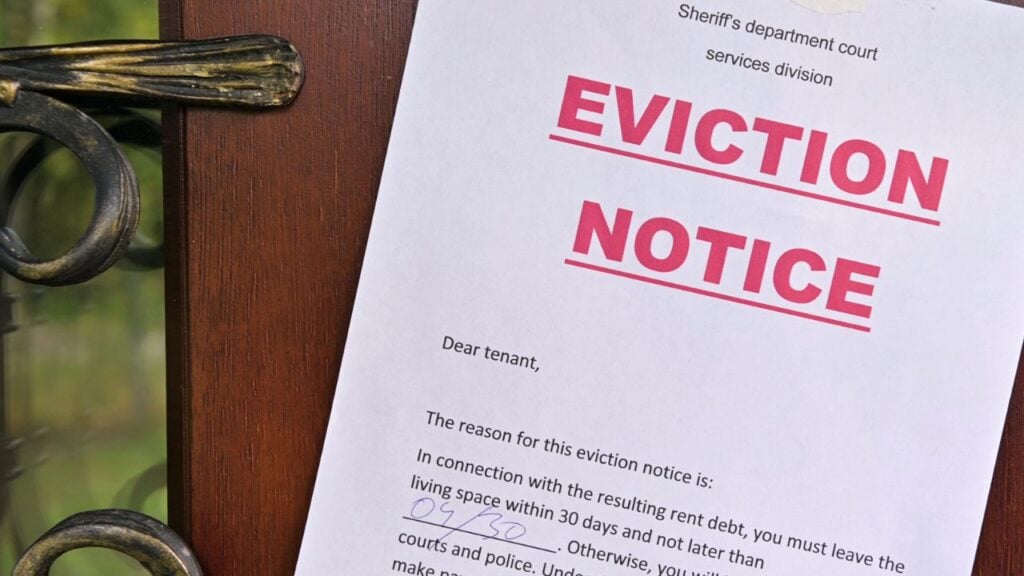
A Gwinnett County renter opens her lease renewal and reads the new number twice.
Her landlord wants $200 more a month, and Georgia law never capped it.
9 Things a Georgia Landlord Can Legally Do That Tenants Never See Coming
