

8 Moving Mistakes That Cost North Carolina Retirees Thousands

Retirees pour into North Carolina every year chasing mild winters and lower costs.
Many overpay on the way in.
The savings are real, but only if you dodge the handful of relocation traps that catch newcomers moving down the coast.
These are the moving mistakes that cost North Carolina retirees thousands.
Note: This is general information, not financial or tax advice. Rules, rates, and dollar amounts are subject to change.
1. Treating North Carolina as One Place
The first mistake happens before a single box is packed.
The state isn’t the same everywhere.
The mountains around Asheville, the Research Triangle, and the coast near Wilmington have wildly different home prices, insurance costs, and access to doctors.
Pick the region before the town.
Retirees who assume a statewide average applies to their new county often land somewhere far pricier than they planned.
Mountain counties bring winter heating bills a coastal retiree never budgets for, and the coast brings flood insurance the mountains don’t.
Home insurance alone can swing hundreds a month between a beach county and an inland one.
2. Guessing Property Taxes From an Average
North Carolina property taxes are set county by county, and the spread is wide.
One number won’t do.
With 100 counties each setting their own rate, the bill on the same house can swing by thousands depending on which side of a county line it sits.
Call the county tax office before you buy.
Ask for the current rate and any pending revaluation, since a reassessment can jump your bill the year after you close.
Fast-growing counties revalue on a set cycle, and a hot market can lift your taxable value even when the rate holds steady.
3. Skipping the Senior Homestead Break
North Carolina hands lower-income retirees a real property tax break, and many never claim it.
You have to apply.
The state’s homestead exclusion knocks off the greater of $25,000 or half your home’s value for owners 65 and up under an income limit.
Nobody mails you the form.
Miss the filing window, and you pay full freight for a year you didn’t have to.
A separate circuit-breaker program can cap the tax at a share of income for those who qualify, so ask the county about both.
4. North Carolina Still Taxes Your Pension
This is the tax surprise that stings retirees moving from a no-income-tax state.
Social Security is safe.
North Carolina doesn’t tax Social Security, but it does tax most pensions and 401(k) and IRA (individual retirement account) withdrawals at its flat 3.99% rate.
A retiree coming from Florida feels that as a brand-new bill.
Some older government pensions escape under the Bailey rule, so it’s worth asking a tax preparer whether yours qualifies.
Run the numbers on your own pension before you fall for a house, so the April bill isn’t a shock.
Psst! How well do you know your new home state? Take our quiz and see if you can ace it.
Quiz
North Carolina Pop Quiz
Test yourself on the state you’re moving to. We bet you can’t get them all right. Prove us wrong?
Mount Mitchell, the highest peak east of the Mississippi, tops out near what height?
5. Hiring a Mover Without a Binding Estimate
The quote a North Carolina retiree signs matters as much as the price.
Get it in writing, and binding.
A binding estimate locks the price, while a non-binding one can balloon once the truck is loaded and the mover reweighs it.
That reweigh is where families lose money.
Insist on a written binding quote after an in-home or video survey, not a guess over the phone.
Three written estimates give you a fair range and flush out the lowball quote that grows later.
6. Handing Over a Big Cash Deposit
The classic North Carolina moving scam starts with the deposit.
Walk away from cash-only.
A reputable mover won't demand a large cash or wire deposit up front, and a request for one is the clearest sign of fraud there is.
The worst crews vanish with it.
Others hold your furniture hostage for a bigger payout once it's already on the truck.
Pay by credit card when you can, and check that an intrastate mover is registered with the state before you book.
North Carolina's Utilities Commission licenses in-state movers, and a quick check there weeds out the fly-by-night crews.
7. Waiving Full-Value Protection
Retirees moving a lifetime of belongings often skip the one coverage that matters.
The free option is nearly worthless.
A mover's default liability pays only about 60 cents a pound, so a shattered flat-screen might get you a few dollars, not a replacement.
Full-value protection costs more.
For a household of real furniture and heirlooms, that upgrade is usually worth every penny.
Photograph your valuables before they're boxed, since a damage claim goes nowhere without proof of what you owned.
8. Not Checking Your Medicare Network First
The costliest North Carolina moving mistake often has nothing to do with the truck.
Your doctors may not follow you.
A Medicare Advantage plan that worked up north can leave you out of network in a new North Carolina county, adding thousands in out-of-pocket costs.
The networks in a rural mountain county can be far thinner than the ones you left behind.
Moving counties or states is a special enrollment window, so check which local plans include your new doctors and hospital before you sign a lease or a closing.
Sort that out first, and the move to North Carolina finally costs what the brochure promised.
9 North Carolina Property Tax Breaks Homeowners 65+ Overlook
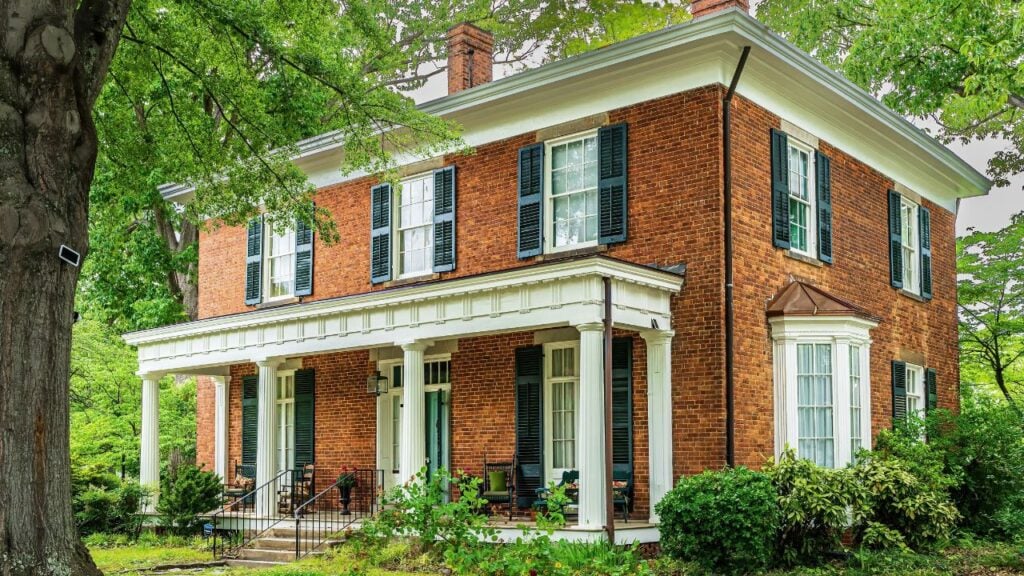
The homestead break is only the start of what North Carolina hands homeowners over 65.
Several more property tax breaks sit on the table every year, and most people never claim them.
9 North Carolina Property Tax Breaks Homeowners 65+ Overlook
Harris Teeter Senior Discount and VIC Perks: What North Carolina Shoppers Get in 2026

Once you're settled in, the savings move to the grocery aisle.
Harris Teeter hands North Carolina shoppers over 60 a discount, and the perks go deeper than the weekly ad.
Harris Teeter Senior Discount and VIC Perks: What North Carolina Shoppers Get in 2026
