
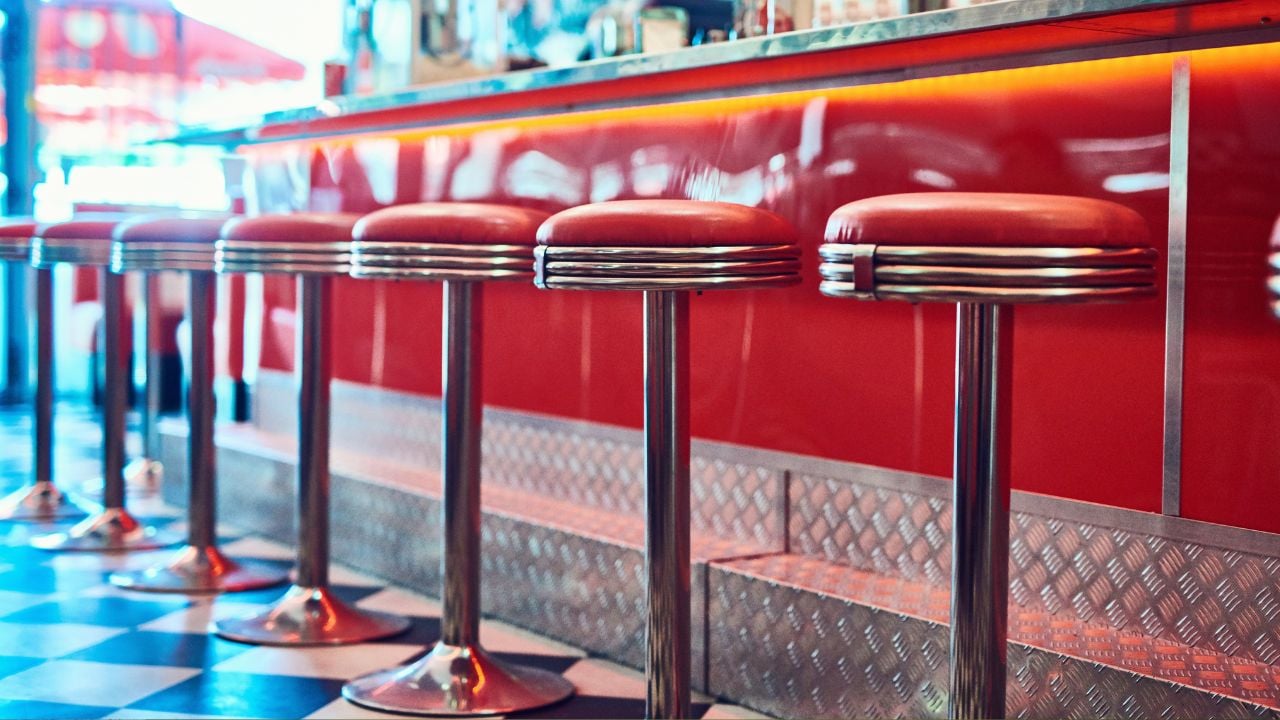
8 Ohio Diner Traditions That Are Slowly Disappearing

Ohio lost close to 400 restaurants, cafes, and breweries in its northeast corner alone in 2025, despite nearly 600 new places opening in that same year.
The trade wasn’t even.
Rent, thinning staff, and food costs that never eased up after the pandemic are squeezing owners who’ve run the same counter for decades.
These are the Ohio diner traditions fading with them.
1. Downtown Lunch Counter
Cincinnati’s Hathaway’s Diner ran a lunch counter inside the Carew Tower from 1956 until it closed in 2023, feeding “generations of locals” along with a guest list that included Elvis Presley and President Eisenhower.
Sixty-seven years, one building.
The owners blamed fewer office workers coming downtown for lunch and new competition parked right outside from food trucks.
“It just killed our business,” they wrote when they announced the closure.
2. Diner That Never Closes
Ohio’s all-night diners used to pride themselves on never locking the door, and that habit is fading fast.
The Ohio Restaurant and Hospitality Alliance’s top executive told Cleveland reporters that round-the-clock restaurants are shutting their overnight shifts at a pace he hasn’t seen in a 30-year career, with food costs up 25% over two and a half years on top of a stubborn staffing shortage.
Not anymore.
Cleveland’s My Friends, open 24 hours on Detroit Avenue for about 40 years, is one of the last of its kind still holding the overnight line.
A lot of its old company has already cut back to daytime-only hours.
3. Family-Run Greek Diner
Canton’s Athens Restaurant opened in the 1970s after Yaya and Ted Kararsarides immigrated from Greece in the 1960s and built a menu that mixed Greek dishes with an American diner counter.
Ted passed away in 1998, and his daughter Dee Dwyer kept running the place, working there since she was 14 years old and never anywhere else.
Just her and the counter.
She closed Athens Restaurant on Christmas Eve, ending 50 years in business so she could slow down and spend time with her 87-year-old mother.
“It’s time for us to just go home,” she told a reporter.
Greek immigrant families opened much of Ohio’s diner counter culture in the first place, and their kids don’t always inherit a 12-hour day.
4. Neighborhood Big Boy Booth
Frisch’s Big Boy grew out of Ohio’s own diner counter tradition before it became known statewide as a drive-in and family-dining chain.
It started in Cincinnati in 1939 as a drive-in called the Mainliner.
Founder Dave Frisch signed on as the country’s first Big Boy franchisee in 1947.
The chain grew into a fixture of Ohio family dining for generations.
Since an Atlanta investment firm bought Frisch’s in 2015, though, the company has shed more than 40 restaurants, dropping from 121 locations to 78 across Ohio, Kentucky, and Indiana.
More than 20 Southwest Ohio locations faced eviction in 2024 over $4.5 million in unpaid rent.
Forty-three restaurants gone.
The chain called it “unforeseen circumstances.”
5. Flat-Price Breakfast Plate
Columbus’s DK Diner, a 40-year-old breakfast spot, has served the same no-surprises plate the whole time.
That pricing held steady until an egg shortage broke it.
Bird flu drove wholesale egg prices from about $2.04 a dozen in 2023 to $4.95 by February 2025.
DK Diner responded by tacking a 50-cent surcharge onto every egg dish last year.
Fifty cents a plate.
DK Diner’s manager called it basic survival math: “It’s not something that we’re trying to profit off of.”
The flat, no-asterisk breakfast tab regulars used to count on is becoming a thing of the past across Ohio’s diner counters.
The Math Behind DK Diner’s 50 Cents
DK Diner was buying about 300 dozen eggs a week to keep its kitchen running, as of last year.
At the old $2.04 price, that ran roughly $612 a week.
The $4.95 price turned that same order into close to $1,485 a week, an extra $873 before the diner sold a single plate.
Stretched over a month, that gap alone ran close to $3,800, more than half of the $5,000 to $6,000 in added monthly cost the diner’s manager cited at the time.
A 50-cent surcharge on a plate of eggs helped, but it was covering a hole, not padding a profit margin.
6. Corner Donut Counter
Golden Donuts & Diner ran a retro donut-and-coffee counter on Lockbourne Road, in Columbus’s South Side neighborhood, where regulars gathered every morning for pastries and conversation.
Then, in July 2026, it closed without a farewell post or a final-day announcement.
No sign.
No explanation.
7. Carhop at Your Window
Skyway Drive-In opened in Fairlawn in 1952 and built a following on its double-decker Sky-Hi burger, delivered by carhops straight to the car window the way Ohio drive-ins used to work.
Carhop service and the diner counter grew up together in Ohio, both built on food arriving fast without you ever leaving your seat.
The chain once ran locations in Green, Medina, and Stow, too.
Skyway’s Fairlawn spot, the first Skyway location to open, was also the last to close, ending a 74-year run in 2026.
Seventy-four years, gone.
Carhop service has “pretty much become extinct” thanks to the drive-thru window, according to the food writers who covered its closing.
Akron’s Swensons is one of the only Ohio drive-ins still sending someone out to your window.
8. The Waitress Who Knows Your Order
Ohio diners built their reputation on staff who remember a regular’s order by heart.
Hamilton’s Hyde’s Restaurant has run that way since the 1940s.
Regular Tim Partin proves it.
His waitress, Barb, spots him from across the room and calls his order back to the kitchen before he even sits down: crispy, crispy, crispy.
No menu required.
Amy Hyde is the diner’s third-generation owner.
“There’s not many little diners left in the world, we’re going to be into our 80th year in 2026,” she said.
That kind of familiarity is getting harder to find as staff turn over faster at many Ohio diner counters.
Sign Out Front
Old diner and restaurant signage used to glow along nearly every Ohio main street, and a lot of it now lives in a museum instead of over a roadside counter.
Cincinnati’s American Sign Museum opened in 1999 after founder Tod Swormstedt kept watching redevelopment crews tear down and toss out beautiful, decades-old signs from Ohio’s closed diners, drive-ins, and other shuttered businesses.
He started saving them.
The museum now holds well over a hundred restored signs, including pieces salvaged from closed diners and drive-ins around the state.
Every sign on display never made it back onto a building.
Why so Many Ohio Diners Are Closing at Once
Ohio’s diner losses aren’t isolated incidents, and the numbers back that up.
Northeast Ohio alone lost roughly 400 restaurants, cafes, and breweries in 2025, even as nearly 600 new spots opened in the same stretch.
Beef prices ran historically elevated that year, landlord disputes pushed out longtime tenants, and takeout habits from the pandemic never fully reversed.
“You’ve got to be almost perfect at everything,” the alliance’s top executive said of running a restaurant right now.
Not many operators can hit that bar every single week.
Some weeks, nobody can.
Psst! How much do you know about diner history and where it started? Take our quiz and see how many you can get right.
Quiz
Ohio Diner History IQ
Answer these questions on where diners, drive-ins, and Ohio’s own diner legends got their start. We bet you can’t get them all right. Prove us wrong?
In 1972, actor Burt Reynolds started a Tony Packo’s tradition that’s still going today. Instead of an autograph book, what did he sign?
The Diners Bucking the Trend
Not every Ohio diner tradition is on its way out, and a few are proof of that.
Bellville's Buckeye Express Diner runs its kitchen inside a repurposed vintage train car decorated wall to wall in Ohio State Buckeyes memorabilia.
Love Food, a UK-based food publication, has named it the best diner in the whole state.
Families still line up for its Caboose Baskets on a Saturday morning.
Not everyone's giving up.
Swensons keeps its carhops running at multiple Akron-area locations, waving cars into marked spots the way Skyway once did.
A runner jogs your order out before the ice in your drink even settles.
9 Grocery Aisles That Look Completely Different in Ohio Than They Did 20 Years Ago
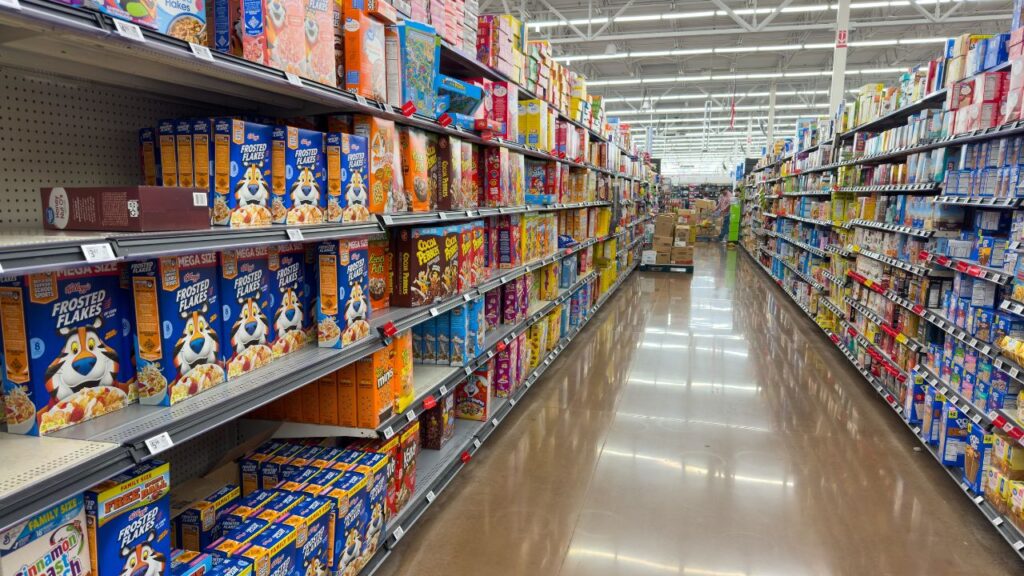
A shopper pushes a cart past a dark window inside a southwest Ohio Kroger, glass empty, counter gone.
That window used to be a full bank branch, tucked into the store like a second business, and now it's just another end cap.
9 Grocery Aisles That Look Completely Different in Ohio Than They Did 20 Years Ago
9 Kroger Mistakes Ohio Shoppers Make Every Week
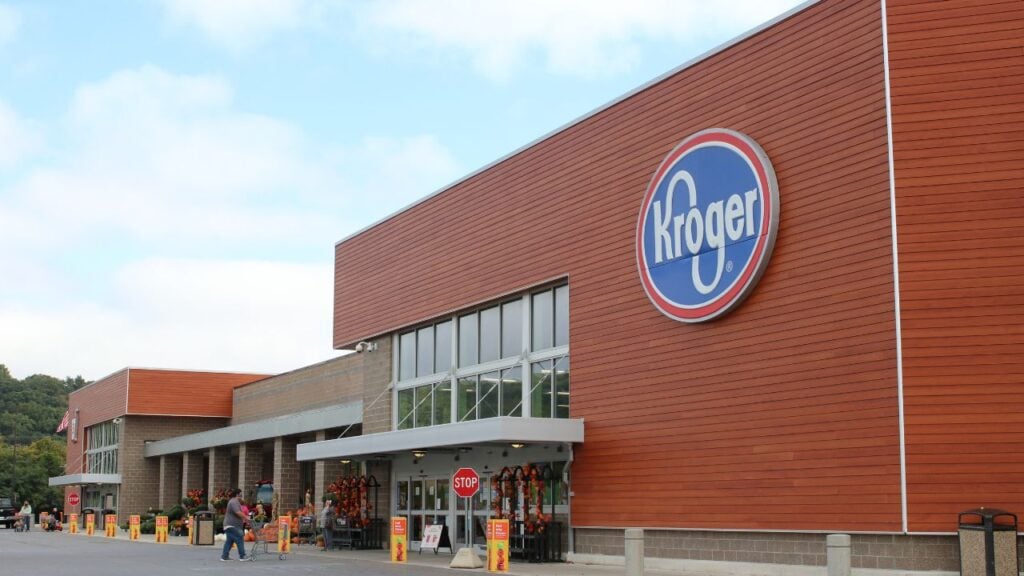
You scan your Kroger Plus card at checkout in Columbus and figure you're getting every available discount.
That's your first mistake.
