
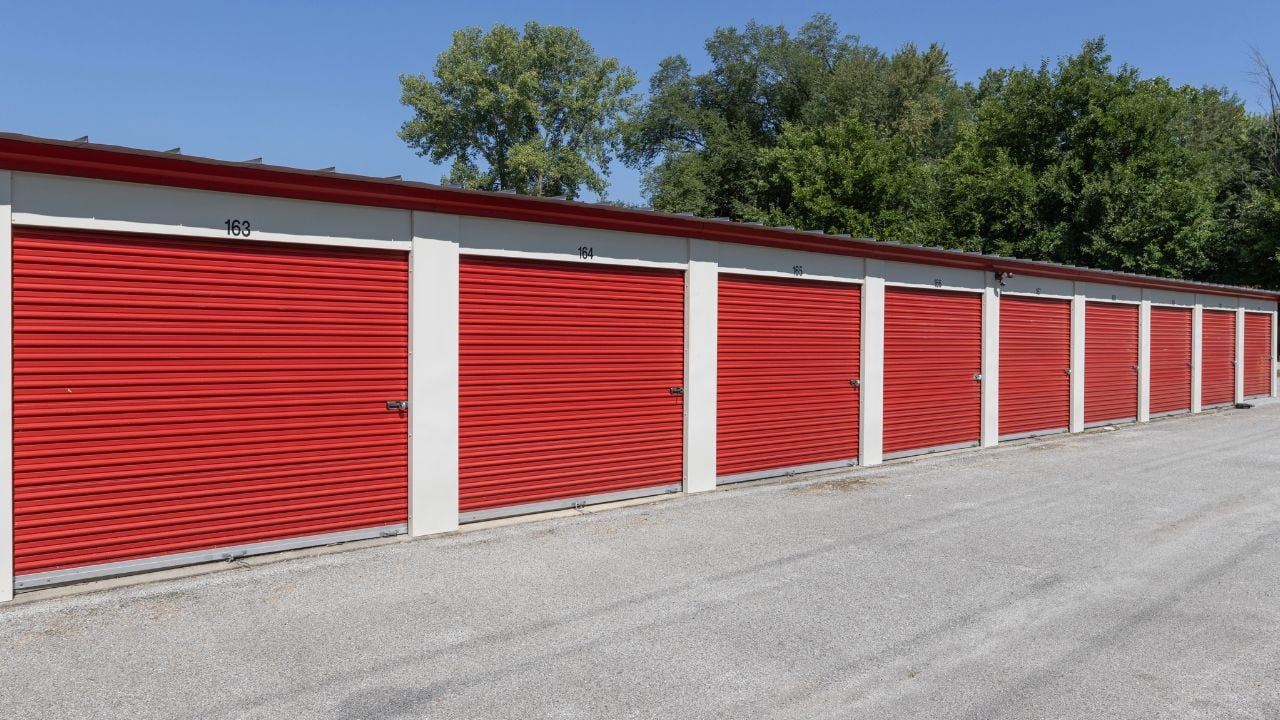
8 Storage Unit Contract Details Virginians Learn Too Late

Virginia’s Self-Service Storage Act lets a facility act on a defaulted account the moment a payment is late, and the renter gets 10 days to fix it.
The gate code stops working first.
A renter shows up with a pickup truck to grab a couch and finds out at the keypad.
These are the storage unit contract details Virginians learn too late.
Note: This is general information, not legal advice. Self-storage contract terms and Virginia statutes are subject to change.
1. Lien Language Hiding in Your Signature
Every Virginia self-storage rental agreement has to spell out, in bold type, that the facility already holds a lien on everything sitting inside the unit.
That’s not boilerplate.
A lien is a legal claim.
It lets the facility treat unpaid rent, storage labor, or sale costs as a debt secured by whatever sits inside the unit.
Reading that clause at signing doesn’t show a renter when the facility uses it.
That happens the moment an account heads to auction.
Sell the unit’s contents for more than what’s owed, and Virginia law doesn’t mail a Virginian the difference automatically.
The statute holds any leftover cash “for delivery on demand,” which means a former renter has to come ask for it.
Skip that step, and the balance just sits with the facility.
2. Lien That Jumps Your Lender in Line
That same Virginia law lets a facility’s lien outrank an existing loan or title lien on the stored property.
The jump tops out at $250 of the debt, or $500 if the unit is climate-controlled.
Picture a Virginian storing a boat trailer that’s still financed.
If the storage bill goes unpaid, the facility’s claim on that trailer beats the lender’s claim for the first $250, even though the lender’s paperwork came first.
Ouch.
The lender still collects everything beyond that $250.
But a Virginian who assumed a secured lender always stands first in line has found the one exception written into state law.
3. Ten-Day Countdown After One Missed Payment
Virginia’s self-storage law lets a facility send a default notice the moment a payment is late.
The occupant then has 10 days to cure it.
That’s not a typo.
If you miss that window, Virginia law still requires one more notice.
That notice goes out by mail and gives at least 20 additional days before an auction can happen.
So the fastest a Virginia storage lease can legally go from late payment to auction eligibility is about a month, not the next billing cycle.
The Redemption Right Inside Virginia’s Storage Countdown
A Virginia storage occupant can redeem their belongings any time before the sale happens by paying off the full amount owed.
That right holds all the way through the countdown, lasting right up until the sale happens.
The 30-day minimum from a missed payment to an eligible auction is a floor, not an average.
Mailing the second notice and scheduling an actual sale date both add time on top of it.
4. Insurance Rule With a Catch
Buying a facility’s self-storage insurance isn’t required under Virginia law to lease a unit.
That’s only true at signing.
Storage leases commonly require a renter to keep insurance coverage in place for the entire time they’re renting, not just the day they moved in.
A Virginian who lets a homeowner’s or renter’s policy lapse can fall out of compliance without any new form to sign.
So can someone who switches insurers and forgets to add the storage unit back on.
Nobody catches it right away.
The gap tends to surface only when something goes wrong: A break-in, water damage, or an insurer’s denied claim, since the policy had already lapsed.
Selling that coverage isn’t free of oversight, either.
A facility has to carry a limited lines insurance license to do it.
That’s the same category of license covering many other kinds of insurance sold outside a traditional agency.
5. New Clock on Abandoned Units
Virginia’s self-storage law added a new rule in 2026 for property that’s left behind after a lease simply ends or doesn’t renew, separate from the nonpayment process.
This rule moves faster.
The facility has to send written notice first.
Once that 10-day window closes, the facility can dispose of whatever’s left within 24 hours.
A Virginian who lets a storage lease lapse, planning to grab their things later, gets far less runway than someone who’s simply behind on rent.
Psst! Is your storage unit contract hiding a problem? Run through this checklist and see where you stand.
6. The Cost of After-Hours Visits
Virginia storage leases spell out access hours.
Stepping onto the property outside that window can count as trespassing under the terms of the lease.
Grabbing a box at midnight isn’t a shortcut.
It’s trespassing instead.
That’s a lease violation.
At some Virginia facilities, that alone is grounds to end the rental agreement outright.
Check the posted hours before promising a friend a Sunday-night pickup.
Some Virginia facilities also limit the gate to one vehicle per code entry, so pulling in behind a friend without swiping in separately can trip the same alarm.
7. Rate Hikes Your Contract Controls
A Virginia storage lease, not state law, decides how much warning a renter gets before a rate increase.
Nobody polices that gap.
Read that clause before signing, not after a bill goes up.
Public Storage’s rental agreement promises at least 30 days’ notice in writing.
Virginia law doesn’t require any facility to match that, so a shorter window can be perfectly legal elsewhere.
Skipping that check is what costs a renter money.
8. Big Purchases and Your Lender
Virginia’s storage lien law also applies to a stored item’s lienholder when a stored item is worth more than $1,000 and carries a filed lien from a separate lender.
A financed motorcycle or a jet ski counts.
Cross that $1,000 line, and the facility’s notice duties expand from the renter to the lender too.
The lender finds out too.
Before an auction on property in that price range, the facility has to send the lienholder a separate certified-mail notice, at least 10 days ahead of the sale.
For a Virginia boat owner whose bank holds the title, that lender now gets a certified letter too, on the same 10-day timeline the facility already owes the renter.
9 Rules for Renting Out a Room That Virginia Homeowners Get Wrong

A Virginia homeowner renting out a spare room used to have five days to take a non-paying roommate to court.
That window stretched to nearly three times as long.
Many homeowners still don’t know it.
9 Rules for Renting Out a Room That Virginia Homeowners Get Wrong
8 Things Cracker Barrel Servers Wish Virginia Regulars Would Stop Doing
The Wednesday breakfast crowd at a Cracker Barrel off I-81 in Troutville shows up like clockwork, same faces, same booths, same orders.
Servers there have opinions about regulars that never make it onto a comment card, and Virginians reading this might recognize themselves anyway.
8 Things Cracker Barrel Servers Wish Virginia Regulars Would Stop Doing
