
8 Texas Roadside Attractions Locals Are Weirdly Proud Of

A Texas Panhandle town spent six years and $350,000 fixing a 47-foot cowboy statue many tourists have never heard of.
That isn’t about tourism.
It’s about refusing to let go of something the town calls its own.
These are the Texas roadside attractions locals defend, not just what tourists photograph once and drive on.
1. Cadillac Ranch
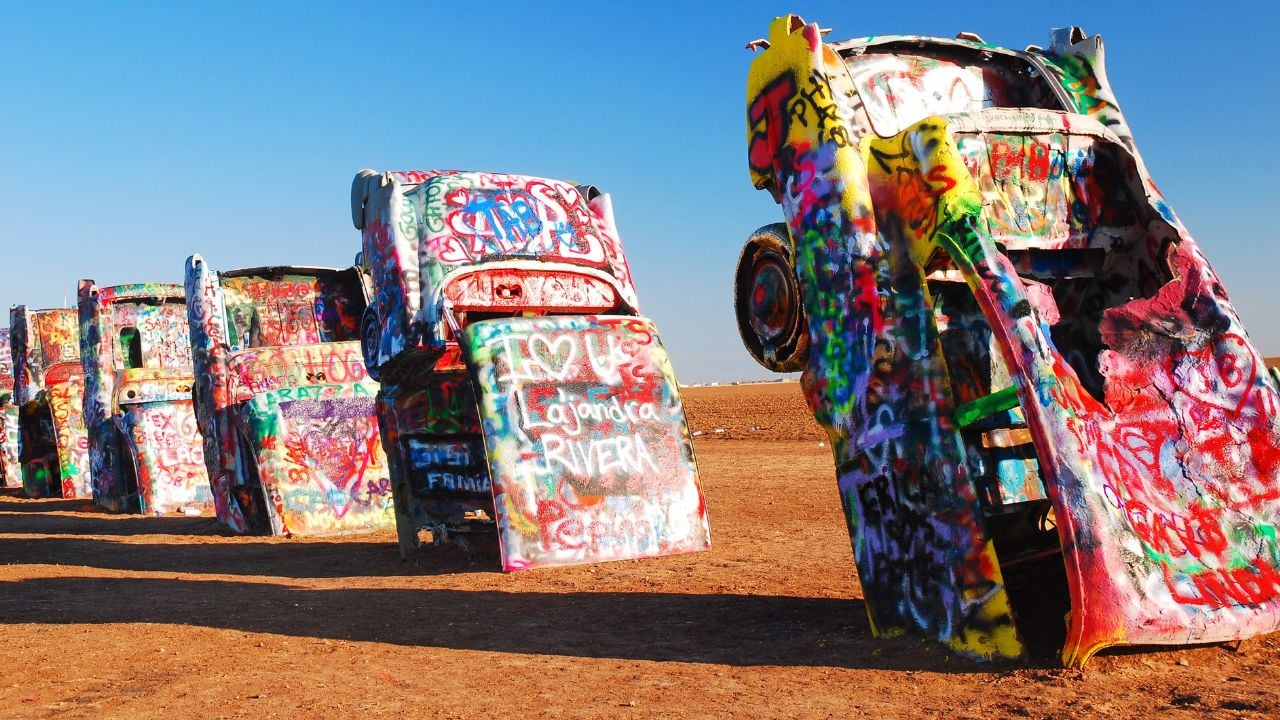
Amarillo’s Cadillac Ranch began in 1974, when ten Cadillacs went nose-down into a wheat field.
None of them ever came back out.
Artists from the Ant Farm collective built it with Amarillo rancher Stanley Marsh 3, who staked the land and the cash.
That’s fifty years now.
Tom Livesay, director of the Amarillo Art Center in 1974, called it wonderful that the ranch had already generated so much excitement for the town.
Amarillo let it grow, too. The ranch draws roughly 1.4 million visitors a year, and the city moved the whole installation two miles west in 1997, staying ahead of its own growth instead of losing the field to it.
Locals keep a can of spray paint in the trunk for exactly this spot.
2. World’s Largest Cowboy Boots
Outside a San Antonio shopping mall stands a pair of cowboy boots taller than a three-story building.
Artist Bob “Daddy-O” Wade built them in 1979 for a Washington, D.C. art project, and North Star Mall bought them the following year.
The boots had already been shipped down back roads to dodge every overpass on the route.
Not subtle.
Brenda Crawford, the mall’s senior general manager, says there’s great love for the boots, enough that shoppers still propose marriage in front of them.
They weigh 10,000 pounds.
Nobody who grew up nearby just walks past.
3. Beer Can House
Houston’s Beer Can House is covered, floor to roofline, in flattened beer cans.
John Milkovisch, an upholsterer for the Southern Pacific Railroad, started the project in his backyard in the late 1960s and kept adding to it for years.
He never called it art.
Mister McKinney, a Houston historian who founded Mister McKinney’s Historic Houston, calls it something bigger, telling Texas Highways that the house represents Houston, plus visionary art, thinking outside the box, and creativity with purpose.
Houston backed that claim with more than words.
A Houston nonprofit, the Orange Show Center for Visionary Art, bought the house in 2001 and has kept it open to the public ever since.
The house still stands in the Rice Military neighborhood, open to walk up and see, free of charge, several days a week.
The Math Behind Houston’s Beer Can House
Houston’s Beer Can House, one of Texas’ strangest roadside builds, took John Milkovisch roughly 17 years to fill.
He and his family drank their way through an estimated 50,000 cans, saving every empty in the attic, the garage, and even his mother’s house before he flattened them into siding.
That works out to close to eight cans a day, every day, for almost two decades.
He never bought a single can for the project. He just refused to throw one away.
4. Sam Houston Statue
Huntsville built its 67-foot Sam Houston statue as a hometown tribute, not a roadside gimmick aimed at passing traffic.
Sculptor David Adickes grew up in Huntsville and studied at Sam Houston State before he became known for oversized public art.
He built the statue as a tribute to the town that raised him.
Construction began in 1992, and Huntsville dedicated the finished statue, titled “A Tribute to Courage,” beside Interstate 45 on October 22, 1994.
It weighs thirty tons.
Huntsville sealed a time capsule inside the statue’s right leg, dated for opening in 2099.
That’s a hundred-year bet.
The town treats the statue like more than decoration, too.
In 2024, Huntsville and the Houston Texans dressed the giant statue in an oversized team jersey to mark the franchise’s new uniforms, a partnership the city’s own mayor helped put together.
A town doesn’t dress a statue for game day unless it claims the statue as its own.
5. World’s Largest Killer Bee
A genuine 1990 bee panic turned into an entire town’s identity in Hidalgo.
Africanized honeybees crossed into the United States near Hidalgo that year, and the arrival made national news as a public-safety scare, not a rumor.
Hidalgo’s mayor and Chamber of Commerce saw an opening instead of a crisis.
They commissioned a steel-and-fiberglass bee weighing 2,000 pounds and declared Hidalgo the “Killer Bee Capital of the World,” a title the town still puts on T-shirts and postcards.
The bee sits at Hidalgo’s City Hall entrance today and still rides in the town’s annual Borderfest celebration, decades after the actual scare faded.
Hidalgo decided to keep it.
Psst! How many of these weird Texas roadside attractions have you pulled over for? Check the box for every one and see where you stand.
6. Tex Randall
Texas Panhandle town Canyon spent six years raising money to save its own giant cowboy.
An industrial-arts teacher named Harry Wheeler built the 47-foot statue in 1959, and decades of weather left it cracked and fading.
Canyon didn’t let him fall.
Instead, the Canyon Main Street program ran a community fundraising campaign that pulled in $350,000, finished the restoration in 2016, and declared the statue an official landmark of Canyon the following year.
Evelyn Ecker, executive director of Canyon Main Street, puts it simply: everyone has some kind of memory of Tex Randall.
She says even people who only drove past him on Highway 60 decades ago still carry one.
That’s small-town devotion.
7. Cathedral of Junk
Vince Hannemann has spent more than three decades stacking bicycle frames, hubcaps, dolls, bowling balls, and computer parts into towering, walkable sculptures behind an ordinary house in South Austin.
No admission required.
A five-dollar donation is welcomed.
In 2010, Austin’s code compliance department told Hannemann to get proper permits or tear the structure down, citing safety and zoning concerns.
Austin didn’t let that happen without a fight.
Elizabeth Lay was directing a play scheduled to open at the Cathedral that April when the threat landed, and she turned her entire cast toward saving it instead.
Elizabeth Lay told PBS NewsHour that overnight, the group turned from being the group set to produce a play into the group working to save the Cathedral.
Volunteers hauled nearly 1,800 pounds of scrap metal out of the yard to clear it for inspection.
A benefit concert raised another $1,200 toward the surveyors and engineers the case needed.
Hannemann keeps no fixed hours today.
Call ahead. He’ll usually let you in.
He once considered tearing the whole thing down. Instead, he kept building, and the yard is bigger now than it’s ever been.
8. Popeye Statue
Crystal City named its whole identity after a cartoon sailor’s favorite vegetable.
Crystal City packed spinach by the ton during the Depression, and the town leaned into it, calling itself the “World Spinach Capital.”
A Texas House resolution later confirmed the town erected a statue of Popeye across the street from city hall in 1937.
Local lore still puts the old cannery’s output at ten thousand cans a day during its peak season, though no company record confirms the exact number.
Exact or rounded, spinach ran Crystal City’s economy for years.
The original statue now stands behind a city building near the police station, tucked away rather than front and center, and locals still know exactly where to send you when you ask.
Tucked away, not forgotten.
Crystal City still runs its Spinach Festival every November, complete with a parade and a queen pageant built entirely around a canned vegetable.
A second Popeye statue stands inside the Chamber of Commerce, so anyone who misses the one by the police station usually still gets a photo.
The Round Rock
Round Rock, Texas got its name from an actual boulder that’s still sitting in the creek that named it.
It’s still there to see today.
The limestone crossing point on Brushy Creek let wagons, cattle, and horses ford the water at a spot everyone could find. The settlement took the rock’s name in 1854.
Cattle drives on the Chisholm Trail used that same crossing for decades after.
Same rock, new purpose.
The wagon-wheel grooves worn into the rock are still visible.
The city built a park next to the crossing, anchored by 22 bronze figures depicting the trail-driving era.
Many Round Rock residents can still point you to the actual rock without checking a map first.
9 Storm Repairs Texas Homeowners Assume Are Covered but Aren’t
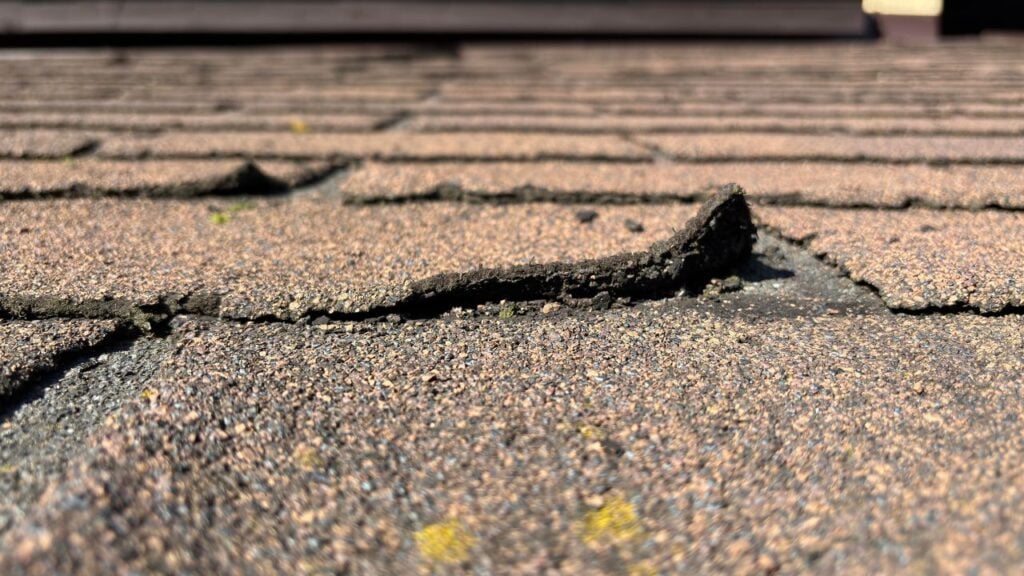
Insurers can legally strip wind and hail coverage off a homeowners policy in 14 Texas coastal counties. Many homeowners never find out until a storm already wrecked the roof.
Other coverage gaps apply no matter which county a home sits in, and they catch people just as often.
9 Storm Repairs Texas Homeowners Assume Are Covered but Aren’t
9 Texas Foods Out-of-Staters Refuse to Try
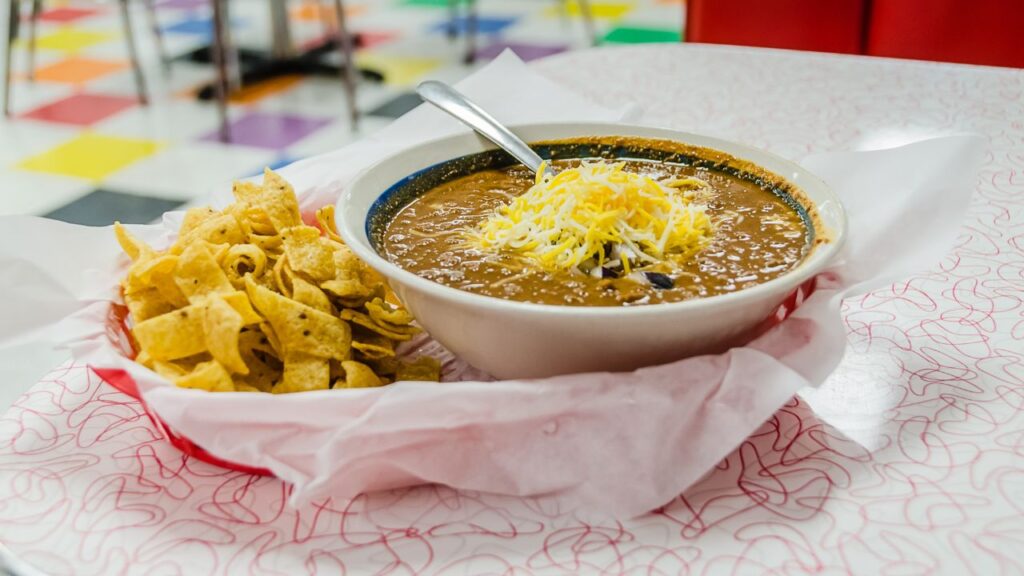
Texans grow up eating whole animals and organ meats that many other states have never put on a menu.
Out-of-staters who visit usually hesitate at least once before finishing the plate.
