
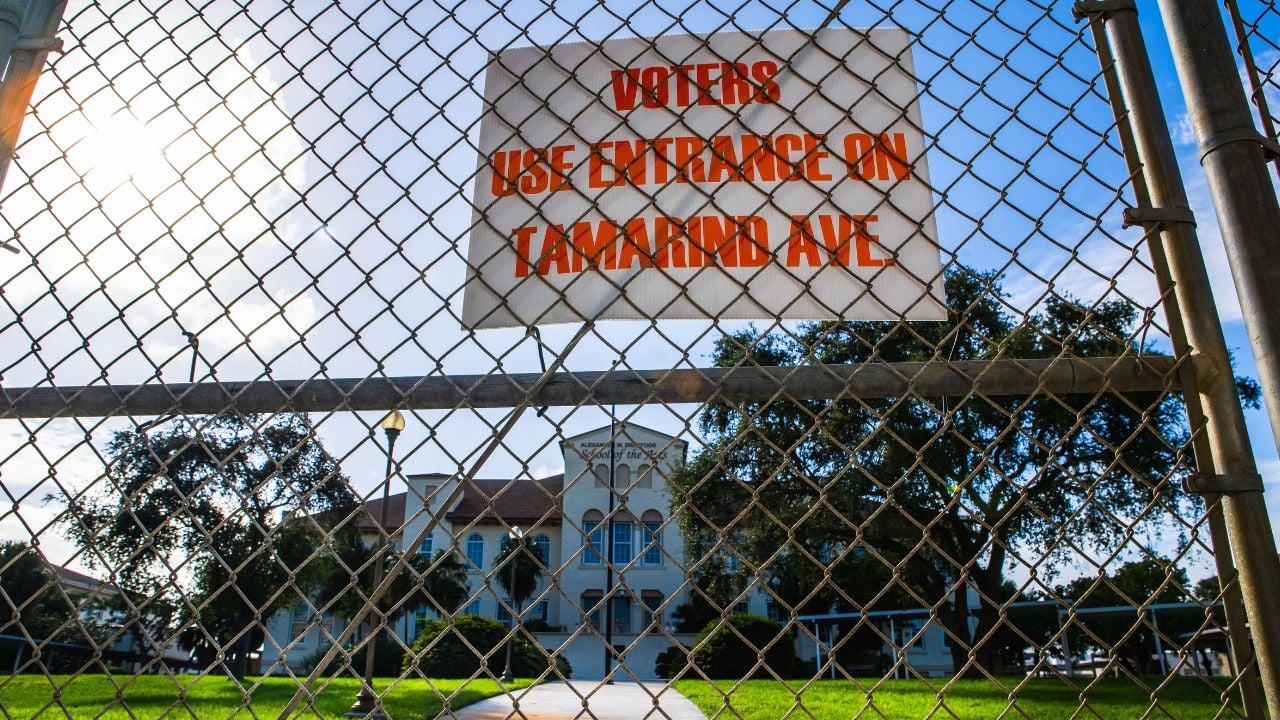
8 Things Florida Homeowners Should Know About the Property Tax Amendment a Judge Sent Back

Right now, Florida’s homestead exemption tops out around $50,000.
The amendment on your November ballot would push part of that toward $250,000.
That’s the number supporters keep pointing to. But a judge just forced the state to describe the whole measure more plainly, and the fine print matters more than the headline figure.
These are the things Florida homeowners should know about the property tax amendment a judge sent back.
Note: This is general information, not legal or tax advice. Assessment rules and exemption amounts are subject to change, so confirm the current details with your county property appraiser.
1. Your Ballot Wording Just Changed
Amendment 3, Florida’s property tax measure, was supposed to appear on your November ballot under the title “Save Our Homes From Excessive Property Taxes.”
A Leon County judge said no.
Circuit Judge David Frank ruled on Aug. 4 that the title read like an ad for the amendment instead of a fair description of it, calling it “akin to a political slogan.”
His ruling also faulted the summary for claiming the amendment “benefits” taxpayers by protecting small businesses and ensuring fairness, language he said crossed from explaining the measure into selling it.
Not neutral.
You’ll now see a plainer title on your ballot: “Increased Homestead Exemption, Lower Cap on Increases in Non-Homestead Property Assessments.”
2. It’s Still on Your Ballot
Amendment 3 isn’t going anywhere despite the rewrite.
Gov. Ron DeSantis confirmed the state won’t appeal Judge Frank’s original ruling.
This isn’t over, though.
Attorney General James Uthmeier’s office rewrote the ballot summary and turned in the new draft on Aug. 14, the same 10-day deadline Judge Frank had set.
Opponents can still take that rewritten language to court.
As of this writing, no judge has signed off on it, and Florida’s county election supervisors are due to start assembling November ballots once the Aug. 18 primary wraps up.
Amendment 3 still needs 60% of the vote to pass, the same supermajority every Florida constitutional amendment faces, so a rewrite that reads clearer doesn’t make the outcome any more certain.
3. Your Tax Bill Stays Put
Amendment 3 doesn’t change a single line on your current Florida tax bill, whether or not voters approve it in November.
Florida values homestead property every Jan. 1, so any exemption increase the amendment creates wouldn’t take effect until Jan. 1, 2027.
Not this year.
Not next spring, either.
The very first bill reflecting any change is more than a year away, no matter how the vote goes.
When a “Yes” Vote Would Reach Your Bill
Amendment 3’s bigger exemption is tied to the assessment date, not the election date.
A November 2026 win would phase the exemption in starting the following Jan. 1.
The first tax bill carrying that change is the bill Florida mails in November 2027, more than a year after anyone casts a vote.
Your current $50,000 exemption isn’t going anywhere before then.
Neither is your Save Our Homes cap.
4. Bigger Exemption Skips School Taxes
Amendment 3’s bigger exemption only applies to non-school property taxes, the part of your bill that funds county and city government, not the part that funds classrooms.
Florida already exempts the first $25,000 of a home’s value from every tax, school included, and that piece doesn’t move.
It’s the second, non-school portion of the exemption that Amendment 3 would grow, from $25,000 today to as much as $150,000 in 2027 and $250,000 in 2028.
Same school bill either way.
5. Your 3% Cap Isn’t Touched
Amendment 3 leaves Save Our Homes exactly as it is.
That’s the rule capping how much a homestead’s assessed value can rise each year, at 3% or the inflation rate, whichever is lower.
Stay in your home for a decade, and the gap between your capped value and what it would sell for can grow every year you stay put.
It stays untouched.
That protection doesn’t shift whether Amendment 3 passes or fails in November.
Psst! How much do you know about Florida’s homestead exemption rules? Flip these cards and find out.
6. Newcomers Wait Four Years
Amendment 3 treats new Florida homeowners differently than longtime homeowners.
Anyone who already holds a Florida homestead by Dec. 31, 2026 would get the bigger exemption right away if voters approve the amendment.
Move to Florida and file for homestead starting Jan. 1, 2027, though, and the timeline works differently for you.
You’d wait four years at today’s $50,000 exemption, then jump straight to the full amount starting in year five, per the same county property appraiser materials that spell out the amendment’s rollout.
Timing matters.
A neighbor who’s owned since 2020 and a family closing on a house in January 2027 wouldn’t see the same exemption on their bill for years.
7. Sheriffs Are Sounding Alarms
Florida’s sheriffs aren’t holding back on Amendment 3.
The Florida Sheriffs Association says it’s “significantly concerned” the amendment could shift budget control toward Tallahassee and stretch out law enforcement response times.
Fire chiefs and police groups have joined them.
United front.
Local governments run largely on property taxes, and legislative analysts project Amendment 3’s full cost could reach $12 billion a year in lost revenue statewide by 2031.
That’s the same pool of money that pays deputies, fixes roads, and clears storm drains after a hurricane.
8. Renters and Second Homes Differ
Amendment 3 isn’t just about primary homes.
Own a Florida rental, a vacation condo, or business property that isn’t your homestead, and this amendment reaches your bill a different way.
Right now, the assessed value on non-homestead property can rise as much as 10% a year.
Amendment 3 would cut that annual increase in half, down to 5%, for the non-school part of the bill.
Half the room to grow.
School taxes on that property stay uncapped and tied to market value either way.
Not Everyone Calls It Fixed
Amendment 3’s new wording satisfied the judge, but it hasn’t satisfied everyone.
Florida Policy Institute’s Sadaf Knight welcomed the plainer language, though she said the amendment’s harmful potential impacts remain the same.
A spokesperson for the opposition campaign known as No on 3 went further, calling Amendment 3 “still a scam and a tax shift.”
Senate President Ben Albritton, who championed the measure through the Legislature, describes Amendment 3 in far different terms.
He’s said he “can’t think of a more meaningful way to celebrate America’s 250 than the passage of $250,000 in tax relief for every Florida homeowner.”
Not every critic agrees, though.
Former state Sen. Jeff Brandes, one of the lawmakers who sued over the original wording, called the rewrite “honest about what the amendment does.”
He’d sued for plainer ballot language, not a verdict on whether the amendment itself is good policy.
5 Things That Change in Florida the Week School Starts Back
One Monday, Florida still feels like summer break.
By the next Monday, buses are running, drop-off lines are backed up, and a handful of everyday rules across the state have already changed.
5 Things That Change in Florida the Week School Starts Back
7 Arguments Florida and Alabama Will Never Settle

A surveyor drove a stone into the ground in 1799 to settle exactly where Alabama ends and Florida begins.
It didn’t work, and Floridians and Alabamians have kept arguing about that line ever since.
