

8 Things Missourians Are Tired of Hearing From Kansas Neighbors

Kansas lawmakers approved a package in December 2025 that clears the way to move the Chiefs across the state line for good.
Missourians heard about it immediately.
The border rivalry between Kansas and Missouri runs back to the Civil War, and every new headline hands one side something fresh to say at a cookout.
These are the things Missourians are tired of hearing from Kansas neighbors.
1. The Big 12 Exit
Missouri spent more than a century trading hits with Kansas on a football field before it walked away.
Missouri joined the Southeastern Conference in 2011, and the move froze the Border War for more than a decade.
Kansas didn’t forget.
The rivalry’s roots go back to actual Civil War-era violence along the border, when Kansas Jayhawkers and Missouri bushwhackers burned each other’s towns.
Mizzou’s Tiger mascot honors a militia that once formed in Columbia to fight off exactly that kind of raid.
Missouri claims a 57-54-9 edge across the series’ 120-plus meetings, but Kansas counts it 55-56-9 in its favor.
Neither side backs down.
Kansas brought the rivalry back as a non-conference series in 2025, and neighbors on that side never let Missourians forget who skipped town first.
2. Gas Station Barbecue
Missouri built its national reputation on barbecue.
But Kansas neighbors love pointing out that the most famous single plate of it sits on their side of the state line.
Joe’s Kansas City Bar-B-Que opened inside a gas station on the Kansas side of the metro in the late 1990s.
Anthony Bourdain named it one of 13 places to eat before you die in a Men’s Health list that ran to places like El Bulli and The French Laundry.
A gas station off a Kansas commercial strip keeping company with some of the most celebrated restaurants on Earth still counts as a win.
Score one for Kansas.
Missouri’s famous joints, Arthur Bryant’s and Gates, had decades of history before Joe’s ever opened its doors.
None of that stops Kansas from bringing up the gas station every chance it gets.
3. Poaching Each Other’s Companies
Missouri and Kansas spent decades stealing each other’s employers instead of growing new ones.
A Hall Family Foundation study found the two states’ dueling tax breaks cost roughly $500 million over five years.
That money only shuffled around 10,000 jobs back and forth across the state line.
Missouri lured the accounting firm CBIZ back from Kansas with roughly $26 million in incentives, years after Kansas had lured it away in the first place.
Nobody won.
The two states’ governors signed a truce on the practice in August 2019, but it didn’t survive the Chiefs and Royals stadium fight.
Kansas City, Missouri’s city council voted to repeal the truce in September 2025, with the mayor calling it null and void.
Kansas already has its next win lined up.
Insurance giant Lockton Companies confirmed in December 2025 that its new global headquarters is moving to Leawood, Kansas, after 25 years on Missouri’s side of the line.
What Counts as a Net New Job Under the 2019 Truce
The 2019 truce banned Kansas and Missouri from using tax incentives to poach jobs a company already had on the other side of the line.
It never banned incentives for jobs that didn’t exist yet, and Kansas calls that carve-out a net new job.
Kansas’s governor leaned on that distinction to defend the Lockton deal.
The package pairs roughly 500 new positions with about 1,500 existing Missouri jobs relocating in the same move.
Kansas’s incentive package for the move runs to roughly $125 million.
4. Your City’s Name
Missouri’s biggest city carries a name that sounds like it belongs to the state next door.
Kansas City, Missouri, was calling itself the City of Kansas back in 1853, a full year before the federal government even created Kansas Territory.
Kansas City, Kansas, didn’t organize until 1872, nineteen years later.
Missouri got there first.
The name traces back to the Kansas River, itself named for the Kanza people, so nobody in Missouri exactly stole anything.
That doesn’t stop Kansas neighbors from acting like Missouri borrowed something that was never theirs to borrow.
5. The Blurred State Line
Missouri and Kansas share a metro area that doesn’t pay much attention to the state line running through it.
Ask a Kansas neighbor for directions and they’ll casually mention which state a store or restaurant sits in, as if Missouri needed the reminder.
The border runs about 52 miles through the Kansas City area, and it once split individual livestock pens inside the old West Bottoms stockyards.
One pen, two states.
Today the region runs on roughly 500 separate cities, counties, school districts, and water systems, each answering to whichever state its patch of ground sits in.
Snow removal splits at the same line, and Kansas crews always seem to finish their stretch while Missouri’s is still waiting.
Psst! How much do you know about Missouri and the neighbor across the state line? Take our quiz and see if you can ace it.
Quiz
Border State IQ
Answer these questions on Missouri and Kansas trivia. We bet you can’t get them all right. Prove us wrong?
Which river runs longer, the Missouri or the Mississippi?
6. Calling Yourselves the Midwest
Missouri entered the Union in 1820 as a slave state under the Missouri Compromise, decades before Kansas fought its way in as a free state in 1861.
Kansans still remember which side Missouri chose.
Old grudges don't fade fast.
A 2024 survey found that 94% of Missourians still call themselves Midwesterners.
But the state's southern tier near Arkansas leans culturally Southern enough that researchers still argue over where Missouri belongs.
Kansas never went through that identity crisis.
So when a Kansas neighbor calls Missouri basically the South, it's less an insult than an old grudge dressed up as geography.
7. How to Say Missouri
Missourians can't even agree with each other on how to say the name of their state.
A 2023 poll from Saint Louis University found that 90.5% of Missourians say Missour-ee, while just 9.5% go with Missour-uh.
Both count as correct.
The Missour-uh pronunciation shows up most in northwest Missouri, at 15% of respondents there, and least in St. Louis, where it drops to 6%.
Kansas doesn't have this problem, since almost nobody argues about how to pronounce Kansas.
Kansas gets an easy laugh from that imbalance every time the subject comes up.
8. The Last Chiefs Season
Missouri's most famous football team just agreed to leave.
Kansas lawmakers approved a package in December 2025 that covers 60% of a $4 billion stadium-and-headquarters project with STAR (Sales Tax and Revenue) bonds and sports-betting revenue.
That deal moves the Chiefs to Wyandotte County by 2031.
Jackson County had its chance.
Voters there rejected a stadium sales tax back in 2024, and that single vote is the reason Kansas neighbors get to bring this up at every tailgate now.
Missouri's incentive package, approved in 2025, wasn't enough to keep the team from taking Kansas's offer instead.
The new stadium isn't scheduled to open until the 2031 season, so Missouri keeps calling the Chiefs its own for a few more autumns.
Every home game between now and then comes with a countdown attached, whether Missourians want to hear it or not.
9 Things Missourians Say That Baffle Everyone Else
Missouri confuses far more than just its neighbors across the state line.
Missouri comes with a vocabulary that trips up outsiders, from the way a St. Louis frozen custard stand flips your order upside down.
Even everyday words can mean something completely different anywhere else in the country.
9 Things Missourians Say That Baffle Everyone Else
8 Things Missourians Do That Confuse Everyone Who Moves There
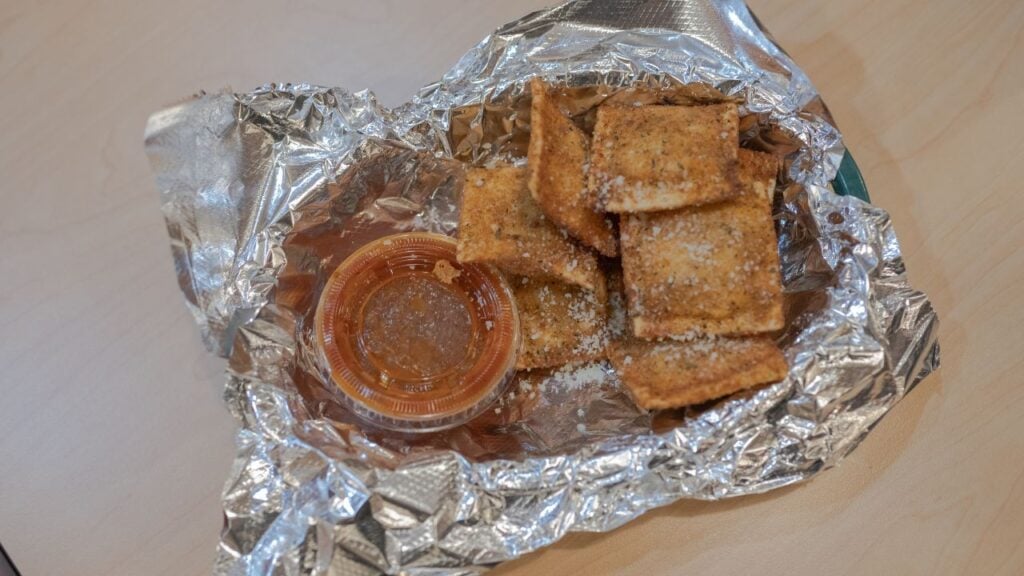
Cross-border ribbing is one thing, but Missouri trips up newcomers all on its own.
Road directions that end on a letter instead of a number make perfect sense to a longtime Missourian and none at all to anyone new.
8 Things Missourians Do That Confuse Everyone Who Moves There
