
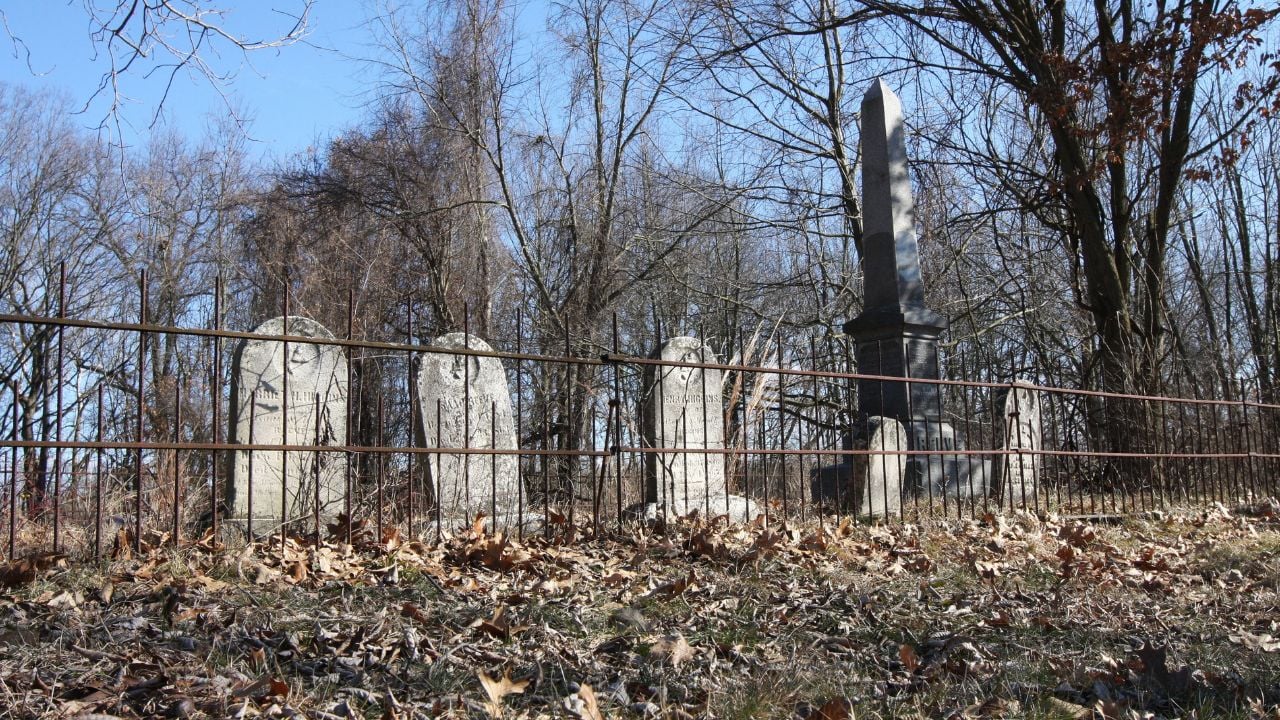
8 Things Pennsylvania Cemeteries Remove From a Grave Without Telling the Family

A woman kneels at her father’s grave outside Harrisburg every spring, ready to change out the flowers.
This year, something she left at his grave last fall is missing.
Nobody at the cemetery called to tell her first.
Pennsylvania cemeteries clear items off graves on their own schedule, and a family usually finds out only by showing up.
Note: This is general information, not legal advice. Cemetery rules and removal policies vary by cemetery and are subject to change.
1. Glass Vases and Ornaments
Pennsylvania cemeteries treat a glass vase the same way they treat a hazard on the lawn.
The Diocese of Harrisburg’s cemetery rules list glass items and ornaments among what staff removes without notice, and many cemetery rulebooks across the state carry a similar line. Mower blades turn glass into shrapnel.
A vase sitting on a headstone looks harmless enough.
Run a mower over it once it’s shattered, and the pieces fly across the grass fast enough to cut a groundskeeper or shred a tire.
Nobody calls first.
The vase is simply gone by the next sweep, and many families only notice when they show up with fresh flowers and nowhere to put them.
Allegheny Cemetery in Pittsburgh bans glass outright for the same reason, alongside loose gravel and solar lights, though its own rules promise posted notice a few weeks ahead of each cleanup.
2. Solar Lights and Devotional Candles
Pennsylvania’s Catholic cemeteries have grown particular about anything that runs on a battery or holds a flame.
The Diocese of Harrisburg’s decoration guidelines name solar lights, devotional candles, and battery-powered lanterns, and crews clear them the same way they clear glass, with no phone call.
Fire risk drives the rule.
Wiring, glass casing, and an open flame all sit a few feet from mower fuel and dry grass every summer.
A solar light that glowed all winter over a loved one’s name can disappear in a single spring sweep.
It’s gone by March.
Families who want to mark a grave after dark are usually better off asking the cemetery office what’s allowed before buying anything that plugs in or lights up.
When Pennsylvania Cemeteries Run Their Sweeps
Pennsylvania’s cleanup sweeps follow a pattern that repeats across dioceses and private cemeteries alike.
Spring sweeps land around mid-March, clearing out anything left over the winter before Easter decorations go up.
A second sweep hits in mid-to-late fall, ahead of the holidays, when summer decorations come down for good.
Marking those two windows on a calendar is the simplest way to visit a grave before a sweep instead of after one.
3. Shepherd’s Hooks and Metal Art
Shepherd’s hooks used to be everywhere in Pennsylvania cemeteries, hung with a wind chime or a small flag.
Many dioceses banned them years ago, and the Diocese of Harrisburg names shepherd’s hooks, bird feeders, and flag holders directly among the metal items pulled with no notice to the family.
Mower decks catch on them.
A metal hook a foot tall snags equipment fast, and a bent one can throw a groundskeeper off balance.
Bird feeders draw the same objection, since they pull animals in to dig around the grass and the plantings nearby.
One trip does it.
The hook’s out of the ground before anyone in the family even knows it’s missing.
4. Stuffed Animals and Toys
Families leave the same small tribute on children’s graves in Pennsylvania cemeteries: A stuffed animal, a small toy, something left behind after a birthday or a holiday.
Cemetery rules rarely make an exception for them.
The Diocese of Harrisburg bans boxes, shells, and toys outright, and Laurel Hill Cemetery in Philadelphia’s rules go further, naming toys, stuffed animals, and dolls directly.
The Catholic Cemeteries Association of Pittsburgh bans toys under its own rules too, cleared with no individual notice sent to the family who left it.
Rain gets in.
A soaked stuffed animal left on a grave for months turns to mildew and draws animals looking for a place to nest, which is the reasoning cemeteries give when families push back.
It rarely lessens the loss of finding an empty spot where a teddy bear used to sit.
Psst! How much do you know about Pennsylvania’s cemetery and burial-plot rules? Read each claim below and see how many you get right.
5. Borders, Curbing and Fencing
Pennsylvania cemeteries used to let families box off a plot with a low curb or a small iron fence.
Many don’t anymore.
The Diocese of Allentown’s rules state the cemetery reserves the right to pull coping, curbing, fencing, hedging, and borders without prior notice, language that sits in the diocese’s own governing rulebook, not a suggestion box.
Curbing blocks mowers from cutting a straight line across a section.
It forces crews to trim by hand around every marked edge, which slows a maintenance schedule that already covers thousands of graves.
So it comes out.
A family that installed a border decades ago, sometimes before the cemetery even wrote the rule, can find it gone with nothing left behind but a faint outline in the grass.
6. Statues and Ceramic Decorations
Statues of angels, saints, and ceramic figurines still show up on graves in Pennsylvania cemeteries every season, despite what the rules say.
The Diocese of Harrisburg lists statues and ceramic items among what it removes without notice, while the Catholic Cemeteries Association of Pittsburgh’s own rules ban ornaments outright as safety hazards, cleared the same way.
Ceramic cracks in freezing weather.
A chipped statue becomes debris a mower can fling, and a heavy one can tip and hurt someone kneeling nearby to change flowers.
Weight doesn’t buy it any protection.
Cemeteries treat a marble angel the same as a plastic angel once the rules kick in, and neither gets a warning before it’s carted off.
7. Trees, Shrubs and Flower Beds
Families sometimes plant something living at a grave in Pennsylvania cemeteries: A small shrub, a rose bush, a border of flowers dug straight into the ground.
The Diocese of Harrisburg’s rules say unauthorized trees, shrubs, and flower beds may be removed with no notice to the lot owner, and that clause covers plantings that have sat undisturbed for years.
Roots are the issue.
A shrub’s roots can crack a foundation stone or shift a neighboring marker as they spread, and cemetery staff don’t wait for that damage to show up before acting.
A rose bush planted the spring after a funeral can be gone by the following season, pulled along with the weeds during a routine sweep.
8. Faded or Torn Flags
Small American flags mark veterans’ graves in Pennsylvania cemeteries every Memorial Day, Independence Day, and Veterans Day.
The Diocese of Allentown’s rules let a flag stay only until it turns weathered or torn, and Allegheny Cemetery in Pittsburgh applies the same standard, retiring soiled or damaged flags under the U.S. Flag Code rather than asking a family first.
Nobody phones the family.
That standard went wrong in public once, in Bucks County.
In 2019, a new management company pulled flags and grave markers from veterans’ plots at Our Lady of Grace Cemetery in Langhorne, left them in a pile, and never called the families first, drawing an outcry from the local American Legion post.
The company said the flags would be retired properly and held other items for families to reclaim.
Many Pennsylvania cemeteries never make the news over it.
They just swap a faded flag for a fresh one on the next volunteer sweep, and the family finds out only if they happen to visit that week.
Why So Many Pennsylvania Towns Share Names With European Cities
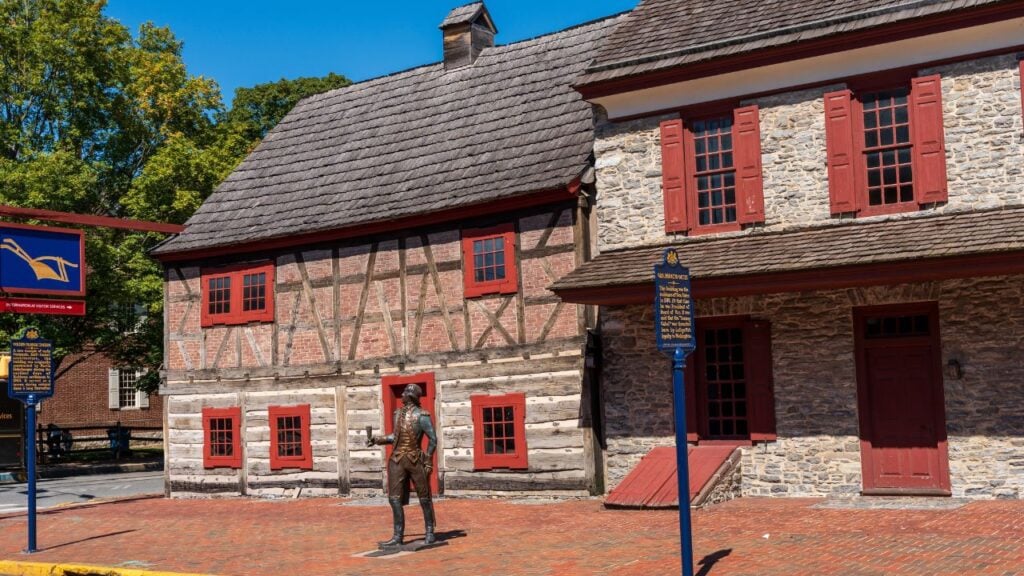
An English king once settled a personal debt by handing over an entire American colony instead of paying cash.
That colony became Pennsylvania, and the payoff still shows up on road signs from York to Lancaster today.
Why So Many Pennsylvania Towns Share Names With European Cities
8 Red Flags That Tell Pennsylvanians It’s Time to End a Houseguest’s Stay
Pennsylvania hospitality doesn’t come with a posted checkout time, and that’s exactly the problem for some hosts.
These are the signs that tell Pennsylvanians a houseguest has overstayed their welcome.
8 Red Flags That Tell Pennsylvanians It’s Time to End a Houseguest’s Stay
