
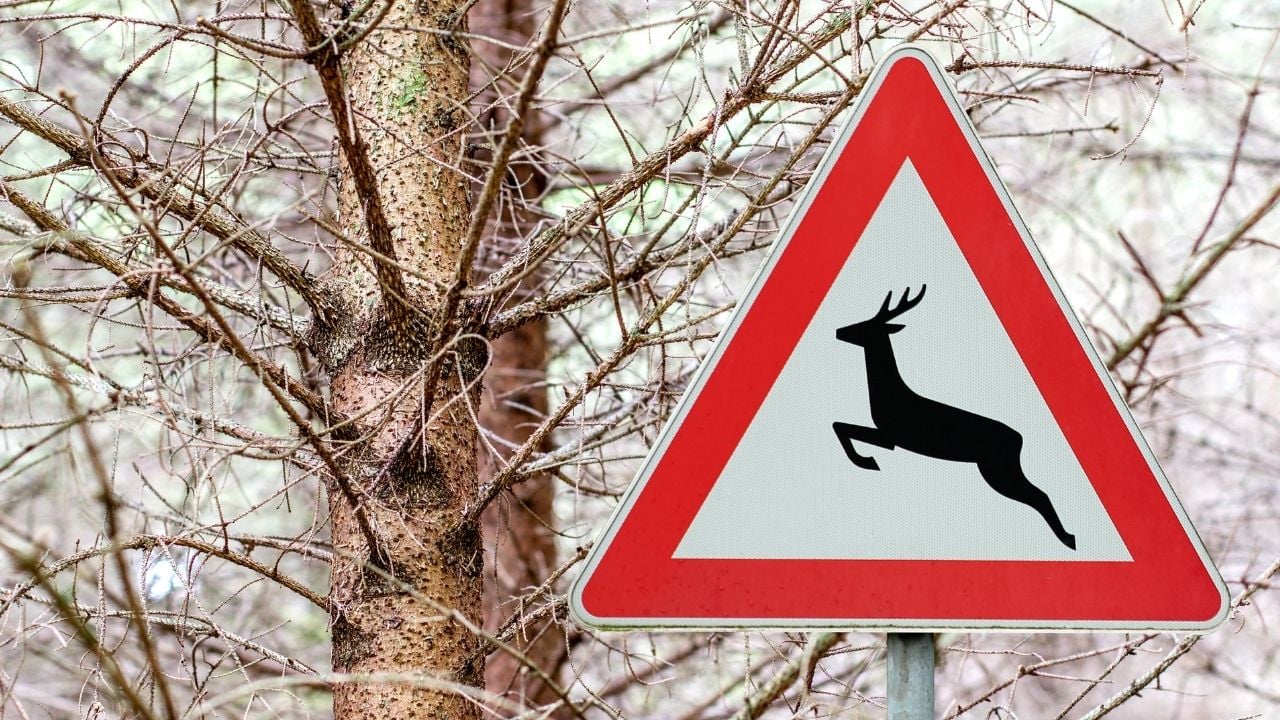
8 Things Tennesseans Have to Do After Hitting a Deer

Hitting a deer takes about a second.
Tennessee Highway Patrol logged 8,036 of those seconds across the state in 2024.
Then a new clock starts.
State deadlines run in days and weeks from the moment of impact, and missing them can cost a driver more than the deer ever did.
These are the things Tennesseans have to do after hitting a deer.
Note: This is general information, not legal or insurance advice. Reporting rules, wildlife regulations, and coverage terms are subject to change, so confirm the current requirements with the Tennessee Department of Safety and Homeland Security and your insurer.
1. Notifying Police Right Away
Tennessee law starts a reporting clock the moment a deer strike leaves visible damage.
State law requires the driver to notify local police, the county sheriff, or the nearest Tennessee Highway Patrol post the instant property damage reaches $50 or anyone’s hurt.
Almost every deer strike clears that bar on its own.
Tennessee Highway Patrol logged more than 8,000 of these crashes in 2024, and the notice requirement doesn’t wait for a tow truck or a second opinion.
Make the call first.
2. Flagging a Blocked Lane
The deer a Tennessee driver just hit doesn’t always end up on the shoulder.
Sometimes it’s still lying in the travel lane, hazards blinking, exactly where it went down.
The Tennessee Department of Transportation (TDOT) clears large roadkill off state highways and interstates, but only after somebody calls it in.
That’s TDOT‘s non-emergency maintenance number, 833-836-8349, worth saving in a phone now, not searched for after the fact.
TDOT confirmed to a Clarksville Now reporter that it sends a two-person crew with a small dump truck and a lifting winch to remove large animals from the roadway.
Call 911 instead if the carcass is causing an immediate hazard, like blocking a lane on a curve or a hill.
Nobody’s coming without it.
3. Reporting the Deer to TWRA to Keep It
Keeping the deer is legal in Tennessee, but only with a fast report.
That requirement only applies to a driver who wants to keep the deer, not one who leaves it where it fell.
The Tennessee Wildlife Resources Agency (TWRA) lets that notice go to the agency directly or to any law enforcement officer, and either one satisfies the law within 48 hours.
That notice has to include the driver’s name and address.
There’s no formal permit to apply for and no fee attached.
Report it, or lose it.
4. Filing Your Written Report
Tennessee law gives drivers a second deadline once the damage adds up.
A written Owner/Operator Report goes to the Tennessee Department of Safety and Homeland Security within 20 days of a deer strike that causes an injury or death.
The same 20-day window applies once damage tops $1,500.
Modern bumpers and headlight assemblies cross that line fast.
A cracked radiator or a bent hood alone can push a repair estimate well past it.
Twenty days go by fast.
If you miss the window, Tennessee can suspend the driver’s license and registration until the report’s on file.
Psst! How ready is your glove box for the ten minutes right after a deer strike? Run through this checklist and see where you stand.
5. Checking for Comprehensive Coverage
Tennessee’s Financial Responsibility Law requires liability coverage, nothing more.
Liability pays for damage a driver causes to someone else, not damage to their vehicle.
Comprehensive and collision are both optional add-ons under Tennessee law.
A driver who financed or leased the car may already have comprehensive without realizing it, since lenders often require it.
Anyone unsure has to confirm it before they call a claim in, not assume.
Check the declarations page.
6. Claiming It as Comprehensive
The Tennessee Department of Commerce and Insurance confirms that damage from an animal strike falls under a policy’s optional comprehensive coverage, never collision or liability.
Call it in as a collision claim, and a collision-side adjuster reviews it instead of a comprehensive one.
That mistake delays the payout, or the insurer denies the claim outright.
One wrong word on that call can cost weeks.
Why Tennessee Counts a Deer Strike as Comprehensive
Tennessee insurers draw the line by what caused the damage, not by how hard the impact felt.
Collision coverage only pays when a vehicle hits another vehicle or a fixed object, like a guardrail or a mailbox.
Comprehensive covers almost everything else that isn’t a crash between two vehicles, including fire, theft, a falling tree limb, and a deer in the road.
On a $3,800 repair with a $500 deductible, the insurer covers the remaining $3,300, and that math only works if comprehensive was already on the policy before the crash.
7. Paying the Deductible First
Comprehensive coverage in Tennessee doesn’t pay out until the deductible is covered first, and that’s on the driver, not the insurer.
The Tennessee Department of Commerce and Insurance confirms a comprehensive claim requires the deductible to be paid first, with the insurer covering the remaining cost up to the policy limit.
A $250 deductible and a $500 deductible land very differently on a $4,000 repair bill.
Some drivers carry a higher deductible than they remember choosing because it looked cheaper on the renewal notice.
Know that number before the claim goes in.
8. Ordering Your Crash Report
Tennessee drivers often need a copy of their crash report to finish the insurance claim, and the state doesn’t mail one automatically.
Reports go through PurchaseTNCrash.gov, the state’s online system, for $10, or for $4 by mail or in person at a Tennessee Highway Patrol district office.
Reports usually aren’t ready for about a week after the crash.
An adjuster who asks for it on day two is asking for something that doesn’t exist yet.
Order it early.
It’ll be waiting by the time the claim needs it.
What These Crashes Cost Tennessee
Tennessee’s deer crashes add up to more than any single repair bill.
Tennessee Highway Patrol logged 8,036 of these crashes in 2024.
Of those, 465 caused an injury, and five were fatal.
Five families lost someone.
Montgomery County recorded more of these crashes than any other county in Tennessee, with Sumner and Robertson rounding out Middle Tennessee’s hardest-hit list.
Tennessee Highway Patrol data shows November is the single worst month for these crashes historically.
Many of them cluster around dawn and dusk on rural roads with no streetlights.
A driver who makes it through October still has two more months of mating season ahead before the numbers start dropping again.
The other 7,571 crashes in 2024 caused property damage only, no injury and no fatality.
The Department of Safety and Homeland Security tracks each one on a public county-level dashboard, updated as new reports come in.
6 Medical Bills Tennessee Patients Can Negotiate Down but Almost Never Do
Tennessee hospitals have to hand over a complete, line-by-line bill within 30 days of a written request, and almost nobody asks for one.
Several of the charges on that bill come with a lever attached, whether it’s a state law, a federal rule, or the hospital’s written policy.
6 Medical Bills Tennessee Patients Can Negotiate Down but Almost Never Do
3 Ways Tennessee Shoppers Over 60 Are Losing Out at Save A Lot

Save A Lot has closed about 100 stores nationwide in the past 16 months, and the Crossville location has stayed open through the entire wave of closures.
Save A Lot keeps grocery bills low in small Tennessee towns with no other full grocery store nearby, but some shoppers over 60 are leaving money on the table anyway.
3 Ways Tennessee Shoppers Over 60 Are Losing Out at Save A Lot
