
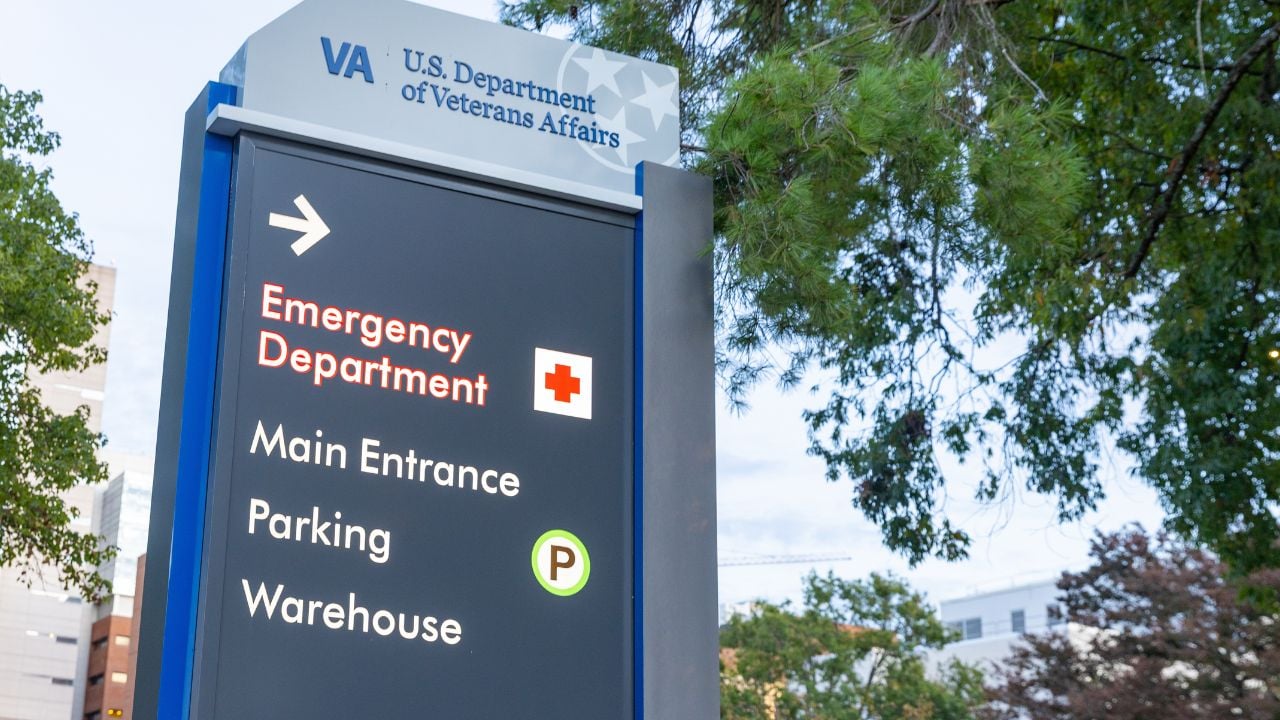
6 Medical Bills Tennessee Patients Can Negotiate Down but Almost Never Do

Tennessee gives a hospital just 30 days to produce a complete, line-by-line bill once a patient asks for one in writing.
Few people ask.
Many charges on a Tennessee hospital bill come with some kind of lever a patient can pull, whether that’s a state law, a federal rule, or a hospital’s written policy.
These are the medical bills Tennessee patients can negotiate down but rarely do.
Note: This is general information, not financial or legal advice. Hospital billing rules, discount thresholds, and dollar amounts are subject to change.
1. Your Uninsured Bill’s 175% Cap
Tennessee sets a hard ceiling on what a hospital, ambulatory surgery center, or outpatient diagnostic center can charge a patient with no insurance at all.
The number is 175% of the facility’s cost of providing that care, a ratio each hospital reports itself every year in its annual filing to the Tennessee Department of Health.
A Tennessee billing office rarely brings up that rate first.
A patient has to ask for it, by name.
What Tennessee’s 175% Cap Covers
Tennessee’s cap applies to the hospital’s own reported cost, not to the total printed on an uninsured patient’s bill.
A hospital that reports a $400 cost for a procedure can legally bill an uninsured Tennessee patient up to $700 for it, even when the chargemaster line on that same bill reads $2,000 or more.
That dollar cap isn’t one statewide number.
It moves hospital to hospital, and year to year.
Hospitals, surgery centers, and outpatient diagnostic centers all fall under the cap.
A doctor’s private practice billing separately from the facility doesn’t.
2. Your Itemized Bill Dispute
Tennessee law gives every hospital patient the right to see exactly what they’re being charged for, one line at a time.
A hospital has to send an initial billing summary within ten days of discharge, but that summary only has to match the bare charge codes on a standard claim form.
A patient who wants the full breakdown, room by room and test by test, has to ask for it in writing, and the hospital then has 30 days to produce it.
That request has to land within a year of discharge.
Ask anyway.
A patient who lines up the full version against the short summary can catch what’s missing: A medication charted but never given, a room charge that runs past checkout, or a duplicate lab test.
None of it shows up on the short version.
Catch one of those errors, and a Tennessee patient who calls the billing office and disputes it directly usually gets it struck from the balance without much of a fight.
3. Your Hospital’s Self-Pay Rate
Every major hospital system in Tennessee posts a separate rate for patients paying their own way, and it’s rarely the number that lands on the first bill.
Ballad Health, which runs hospitals across Northeast Tennessee, discounts uninsured patients 85% off billed charges at its hospitals, physician practices, urgent cares, and diagnostic centers.
West Tennessee Healthcare, which covers Jackson and the surrounding counties, discounts uninsured charges 50% to 70%, depending on the facility.
That’s the price before financial assistance even enters the conversation.
Nobody offers it first.
A patient who pays the full chargemaster rate because nobody mentioned the self-pay number is paying more than the hospital’s own policy asks for.
Psst! Is your medical bill negotiable at all? Run through this checklist and see where you stand.
4. Your Post-Payment Appeal
Tennessee’s nonprofit hospitals operate under a federal tax rule many patients never think to use after the fact.
Under Section 501(r), a nonprofit hospital has to keep taking financial-assistance applications for at least 240 days after the first post-discharge bill, and the rule lets a hospital keep accepting them well beyond that window.
A patient who calls the hospital’s financial-assistance office and appeals, even months after paying in full, can still win that money back.
Approved after the account already went to collections?
The same appeal gets that action reversed too.
Money back, on paper.
Vanderbilt, Erlanger, and Ballad Health are all nonprofit systems bound by that rule.
Paying a bill in Tennessee doesn’t close the door on appealing it.
5. Your Automatic Discount Appeal
Some Tennessee hospital systems no longer wait for a patient to apply for financial help at all.
Ballad Health runs what it calls presumptive eligibility, screening patient accounts with financial-data analytics and applying a charity discount automatically, without a paper application.
Free care kicks in at 225% of the federal poverty line, and a sliding scale covers households up to 450% of it.
A qualifying family of four earning $57,938 a year or less can land at zero.
That automatic screening still misses people: A recent job loss, an income drop, a bigger household than what’s on file.
Call and make the case.
A patient who brings those numbers straight to a financial counselor can often get the automatic discount applied, or bumped up the sliding scale, even after the screening passed them over.
6. Your Out-of-Network ER Balance
Tennessee hospitals still generate bills from emergency room (ER) doctors, anesthesiologists, and radiologists who belong to no insurance network at all, even inside an in-network hospital.
Federal law settled that fight in 2022.
The No Surprises Act bars those hospital-based providers from billing a Tennessee patient more than the normal in-network cost-sharing amount, no matter which network the individual doctor belongs to.
A provider that bills above that amount isn’t making a request.
It’s breaking federal law.
Dispute it.
It’s a mistake the provider has to fix.
The Tennessee Department of Commerce and Insurance takes the complaint directly, and it can order the provider to remove an illegal balance from the bill.
Where Tennessee’s Protections Run Out
Tennessee’s medical billing rules stop short in a couple of places, and a patient should know where before assuming every charge has a fix.
A Clarksville man’s ambulance transfer between two Tennessee hospitals came to $4,800, almost double what his surgery cost.
Ground ambulances are the one piece the No Surprises Act left out on purpose, since the industry runs through fire departments, counties, hospitals, and private companies with no shared billing system.
A Tennessee bill sponsored by state Rep. Greg Vital would have closed that gap for insured patients.
It passed the state House 94 to 0.
It stalled in a Senate committee and never became law.
Not yet.
Rep. Vital has said he’ll file the same bill again next session.
Until Tennessee closes that gap, a surprise ambulance bill still needs a direct phone call to the ambulance provider itself, not a citation from a Tennessee statute.
6 Kroger Bakery and Deli Finds Tennessee Shoppers Swear By
Many Tennessee shoppers know exactly where the Kroger bakery counter sits.
Getting the most out of it is a different skill, and these finds make a regular grocery run a little more rewarding.
6 Kroger Bakery and Deli Finds Tennessee Shoppers Swear By
9 Tennessee Mountain Towns Locals Hope Tourists Never Find

Ask a new arrival to name a Tennessee mountain town, and the same three answers come back every time.
All three sit on one stretch of US-441, and the towns worth the drive sit nowhere near it.
