
8 Things That Happen in Tennessee Every Fall That Out-of-Staters Never Expect

Tennesseans plan their falls around several things that outsiders rarely think about.
Here’s what fall brings that out-of-state tourists don’t expect.
Note: This is general information, not legal advice. Rules, seasons and closures are subject to change.
1. Leaf Season Into November
The state tourism site’s fall guide lists mid-to-late October as peak leaf season at high elevations such as Roan Mountain and the Great Smoky Mountains.
In Middle and West Tennessee, you can catch peak color from late October through mid-November.
If you visit in mid-October, the mountains are at peak.
Nashville’s window runs into mid-November.
2. Public Land Closed for Hunts
During fall hunting seasons, the Tennessee Wildlife Resources Agency (TWRA) lists some wildlife management areas as closed to all uses except hunting.
The closures follow scheduled hunts and typically occur from October through December.
Archery deer season opened Sept. 26 in 2026.
Fall shotgun turkey season runs Oct. 17 through 30 in all but 11 counties.
If you’re hiking in hunting areas, TWRA’s guidance is to wear bright colors, especially orange and yellow, and to avoid white.
You can also head to national parks, state parks and state natural areas, where hunting is generally not allowed.
Hunters follow a stricter rule for orange.
Hunter Orange Requirements
Tennessee’s hunter orange law covers big game hunting, except on archery-only and turkey hunts.
Hunters must wear at least 500 square inches of daylight fluorescent orange or pink on the upper body and head.
Archers must wear it too where archery-only deer season overlaps another big game gun season, such as bear.
Most small game hunters on wildlife management areas must wear the same 500 square inches of orange during big game muzzleloader and gun hunts.
3. Bugling Elk
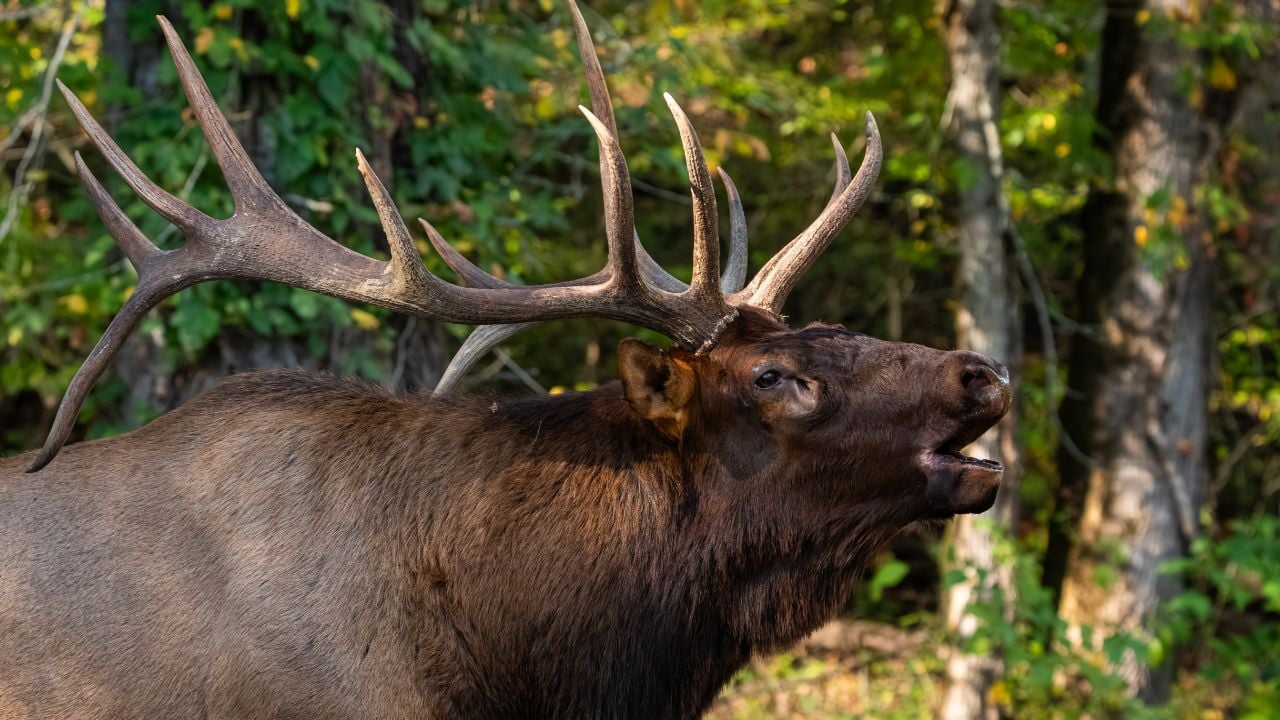
Fall is rut season for the wild elk of East Tennessee, and the males bugle.
TWRA’s elk page describes the call as high-pitched, starting with a low note and ending with a few low-toned grunts.
The rut occurs from September through October.
Peak bugling runs from late September to early October, with another peak in the middle of October.
The peak bugling hours are 7 a.m. to 9 a.m. and 6 p.m. to 8 p.m.
The herd lives in a 670,000-acre restoration zone across Scott, Morgan, Campbell, Anderson and Claiborne counties, centered on the North Cumberland Wildlife Management Area.
You can watch from the Hatfield Knob observation tower.
A University of Tennessee study found about 16,000 people visit it each year.
If you can’t make the trip, thousands more watch through TWRA’s live camera at the site.
4. November Tornado Bump
In the National Weather Service Morristown record for East Tennessee, April has the greatest number of tornadoes.
That record covers 163 tornadoes from 1950 to 1996.
If you’re visiting in November, know that tornadoes have occurred in every month of the year.
There’s also a secondary maximum in November.
The office calls that November peak slight for its area.
In October 2025, Nashville station WSMV reported an uptick in severe weather from October through December.
5. Vol Navy Game Days
In football season, Visit Knoxville’s game day guide says, a fleet of more than 200 boats tailgates on the Tennessee River beside Neyland Stadium.
It’s called the Vol Navy.
According to Torchbearer, a University of Tennessee publication, radio broadcaster George Mooney and a friend were the first to travel to Neyland Stadium by boat, in 1962.
Boats dock across from the stadium off Neyland Drive.
If you don’t have a boat, you can walk the riverfront and watch boats decked out in Tennessee orange.
Fans sailgate all morning, then walk about 15 minutes to the stadium.
Psst! How much do you know about fall’s wildlife, weather and rules? Take our quiz and see how many you can get right.
Quiz
Fall Trivia
Answer eight questions about fall’s wildlife, weather and rules. We bet you can’t get them all right. Prove us wrong?
In the winter of 2011-12, which rare visitor drew several thousand birders to the Hiwassee Refuge?
6. Burn Permits
A leaf pile can need a burn permit in Tennessee from Oct. 15 through May 15, according to the Division of Forestry.
State law applies the requirement to open-air fires within 500 feet of a forest, grassland or woodland.
Woody debris like branches counts too.
The permit is free.
You can request a permit online any day from 8 a.m. to 11 p.m. local time.
There's also a phone line, 877-350-BURN, for weekdays except holidays.
Some counties and cities have stricter burning rules that supersede the state's, so your local rules can matter too.
The Tennessee Department of Agriculture called escaped debris burns the leading cause of wildfires in the state.
7. Lake Drawdown
Every fall, the Tennessee Valley Authority (TVA) lowers its reservoirs for winter, according to its drawdown page.
By Jan. 1, TVA typically has brought them at least to winter flood-guide levels, the lower levels it keeps for flood control.
TVA begins releasing water from tributary storage reservoirs at a faster rate following Labor Day weekend.
In summer, when flood risk is lower, TVA keeps lake levels higher to support recreation.
In a 2017 post, TVA said Labor Day traditionally marks the point when boating season winds down and flood control becomes the focus.
If you boat on a TVA lake, shallow areas grow shallower as Labor Day approaches and caution is needed.
8. Sandhill Crane Closure
TWRA lists the Hiwassee Refuge as closed from Nov. 15 to the last day of February, right when its sandhill cranes are there.
The refuge hosts the largest winter flock of sandhill cranes in the southeastern United States outside Florida, TWRA says.
The Tennessee Aquarium says the cranes spend each winter there, and that the refuge closes to entry to protect them during their stay.
The observation platform is open year-round.
If you're visiting from November through February, you can see cranes from the platform off Priddy Lane, north of Birchwood.
Peak numbers occur in January.
November Deer Crashes
The Tennessee Department of Safety and Homeland Security calls November historically the peak month for deer-related crashes.
In 2024, the state had just over 8,000 deer-related crashes, including 465 injury crashes and five fatalities.
In a November 2025 advisory, the Tennessee Department of Commerce and Insurance cited $83 million in deer-related economic costs.
If you carry only collision or liability coverage, your insurer won't pay for damage from hitting an animal.
6 Greenbelt Rules That Catch Tennessee Landowners Off Guard
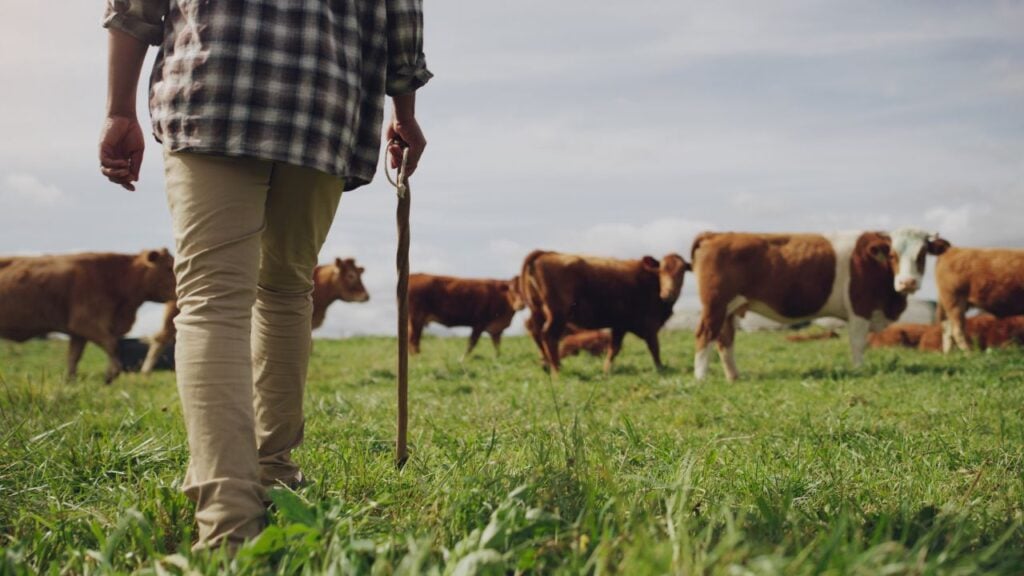
Tennessee's greenbelt program sets a 15-acre minimum for agricultural land.
It also caps how much land one person can enroll in any one taxing jurisdiction at 3,000 acres.
6 Greenbelt Rules That Catch Tennessee Landowners Off Guard
7 Publix Rules Tennesseans Get Wrong in the Produce Section

Publix sources locally grown produce from seven states, and Tennessee is one of them.
The company says the state's long growing season produces green beans, among other crops.
