
8 Tiny Clues That Reveal Which Part of Kentucky Someone Comes From

A Louisville cousin calls a Paducah cousin to plan Sunday dinner for five o’clock, and the call turns into an argument about what time that means.
Neither cousin is wrong.
These are the tiny clues that reveal which part of Kentucky someone comes from.
1. What Time Their Phone Says
Kentucky splits into two time zones, and a federal boundary decides exactly where the line falls.
Louisville, Lexington, Pikeville, and Danville all run on Eastern time.
Bowling Green, Owensboro, Henderson, Hopkinsville, and Paducah run an hour behind on Central time instead.
A Friday night football score can post an hour apart depending on which side of that line a family calls home.
Same state, different hour.
The Counties on Kentucky’s Time-Zone Line
Kentucky’s time zone boundary follows the north and east borders of Breckinridge, Grayson, Hart, Green, Adair, Russell, and Clinton counties.
Wayne County didn’t join Eastern time until the U.S. Department of Transportation moved it over in 2000, decades after the rest of the line was drawn.
2. Whether They Bleed Wildcat Blue or Cardinal Red
Kentucky’s basketball loyalty splits by geography more than by household.
Outside Jefferson County, the state runs hard toward the University of Kentucky’s Wildcat blue.
Jefferson County itself divides, and leans Cardinal red for the University of Louisville instead.
Wildcat blue takes over again within an hour’s drive of Louisville, filling gas stations and church parking lots.
Every December when the two teams play, the game splits bars and living rooms along both sides of the Watterson Expressway.
One county, a different color.
3. Whether Their Flag Says Hilltopper Instead
Kentucky carries a third basketball loyalty tucked into the south-central part of the state.
Western Kentucky University’s Hilltopper Sports Network broadcasts across Bowling Green, western Kentucky, and into northwest Middle Tennessee and southwest Indiana.
Fans in that footprint fly Hilltopper red before they reach for Wildcat blue.
Neither Lexington nor Louisville shares that particular loyalty.
Different mascot, same pride.
4. Whether Mutton Shows up on Their Plate
Kentucky’s barbecue splits hardest at the state’s western edge.
Daviess County and the towns around Owensboro still serve mutton, meat from an older sheep, smoked low and slow since Welsh Catholic farmers settled the area in the 1800s.
Food writers call the concentration the mutton tree, with Christian and Hopkins counties forming the trunk and Union, Henderson, and Daviess counties branching out from it.
Order mutton in eastern Kentucky, and many servers will ask what it even is.
Western Kentucky just nods and asks how the plate wants it chopped.
One dish, one region.
5. Whether They Call It the Purchase
Kentucky’s eight westernmost counties carry a name the rest of the state doesn’t use.
Locals call the region the Purchase, short for the Jackson Purchase, the land the United States bought from the Chickasaw Nation in 1818.
Paducah, Mayfield, and Murray all sit inside that boundary, and Purchase residents identify with the region the way Bluegrass families identify with horse country.
Water cuts the Purchase off from the rest of the state on two sides, with the Tennessee River to the east and the Mississippi River forming the western edge.
A different deed altogether.
6. Whether a Horse Farm Is Their Backyard
Kentucky’s Bluegrass region turns horse ownership into a neighborhood trait.
Fayette, Bourbon, and Woodford counties hold the bulk of the region’s roughly 450 horse farms, with more than 22,000 horses in Fayette County alone.
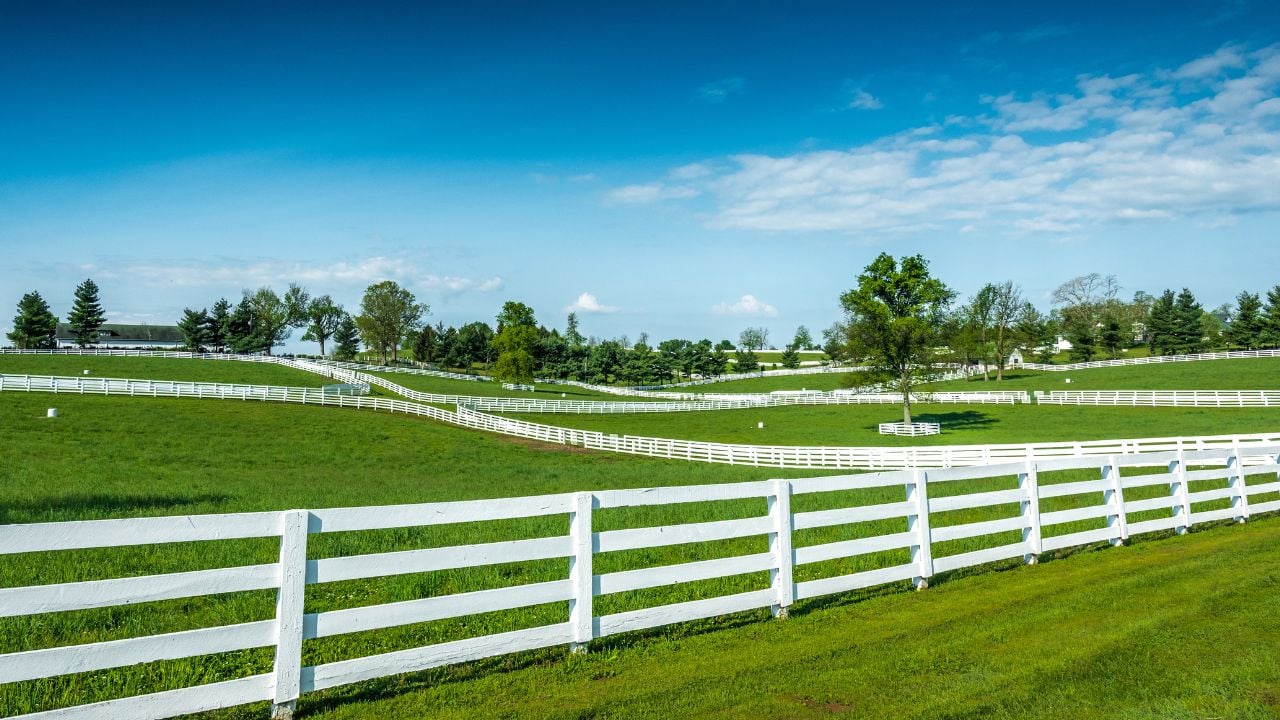
Plank fencing lines those back roads for miles, a sight nobody passes on the way through Pikeville or Paducah.
Breeders often credit the limestone sitting under the topsoil, which feeds the grass extra calcium, for the strong bones the region’s foals are known for.
Horses outnumber the mailboxes.
7. Whether They Say You’uns or Y’all
Kentucky’s plural you changes once the road climbs into the mountains.
Eastern Kentucky’s Appalachian communities carry you’uns, a Scots-Irish holdover, alongside verb forms like “a-going” and “a-hunting” that dialect researchers trace to the same settlers.
Head toward the Bluegrass or the Purchase, and the plural switches over to the broader Southern y’all instead.
Those same mountain communities often call a child a “young’un,” a clipped form of “young one” with roots in the same Ulster Scots speech.
The plural changes with elevation.
Psst! How much do you know about Kentucky’s back roads, borders, and bluegrass? Take our quiz and see how many you can get right.
Quiz
Kentucky Regional Identity IQ
Answer these questions on Kentucky’s back roads, borders, and bluegrass. We bet you can’t get them all right. Prove us wrong?
Kentucky’s border with Ohio, Indiana, and Illinois doesn’t run down the middle of the Ohio River. Where does the U.S. Supreme Court say it sits?
8. How Their Vowels Lean North or South
Kentucky's accent runs on a north-south gradient, and Northern Kentucky sits at the far end of it.
Covington and Newport, just across the river from Cincinnati, sit inside a documented dialect transition zone that blends Midland and Southern speech.
Linguists at the University of Kentucky and Northern Kentucky University have studied that blend for years.
South of Frankfort, the vowels flatten into the same drawl the rest of the state shares.
Thousands of Northern Kentuckians cross that same river for work in Cincinnati every day, which keeps the two accents blending instead of splitting clean.
The river changes the sound.
Where the Boundaries Came From
Kentucky's internal lines trace back to three different settlement stories, not one shared founding.
Families reached the Bluegrass first, moving in through the Cumberland Gap after Daniel Boone's Wilderness Road opened in 1775, and turned the region's rich soil into horse and tobacco land.
Pioneer James Harrod founded Harrodsburg that same era, and the town still calls itself the oldest permanent settlement west of the Allegheny Mountains.
Scots-Irish settlers pushed into the mountains around the same period and stayed largely isolated in narrow valleys for generations.
That isolation is part of why the mountain dialect held on so long.
The Purchase joined Kentucky's map later than either region, tied to the separate 1818 treaty rather than the earlier wave of settlement.
The Bluegrass turned Wilderness Road settlements into horse and tobacco wealth, while Scots-Irish families in the mountains stayed cut off in steep hollows for generations longer.
The Purchase came later still, cut off from the rest of the state by the Tennessee River to the east and the Mississippi River to the west.
9 Kentucky Traditions Out-of-Staters Think Are Just for Derby Week

The Kentucky Derby is over in about two minutes, and several Kentucky habits still get wrongly filed under "Derby week only."
These are the traditions that run year-round, no fancy hat required.
9 Kentucky Traditions Out-of-Staters Think Are Just for Derby Week
9 Kentucky Foods That Horrify the Rest of the Country
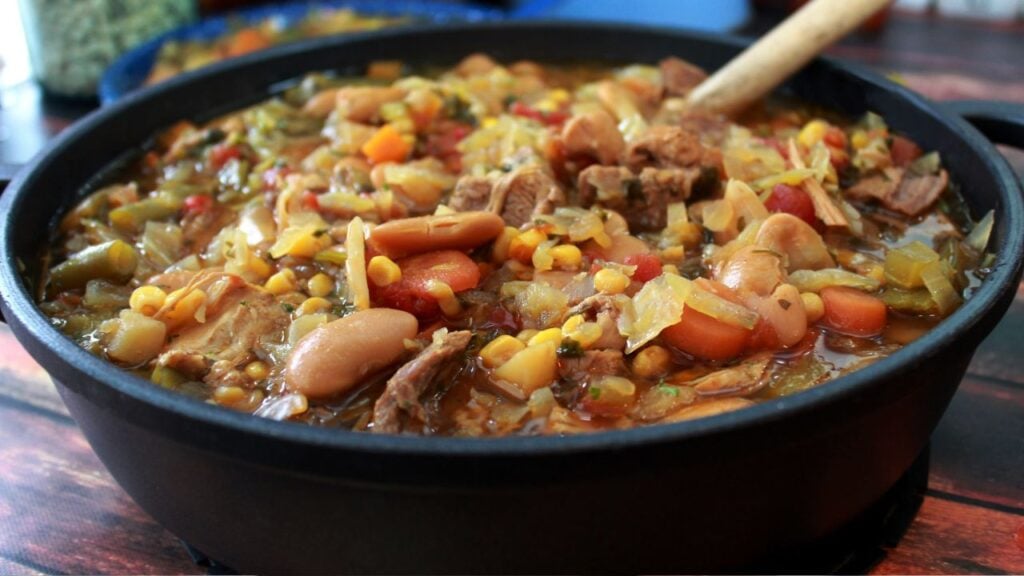
A tourist orders breakfast outside Covington and gets served something the menu just calls "goetta."
These are the Kentucky foods that make the rest of the country do a double take.
