
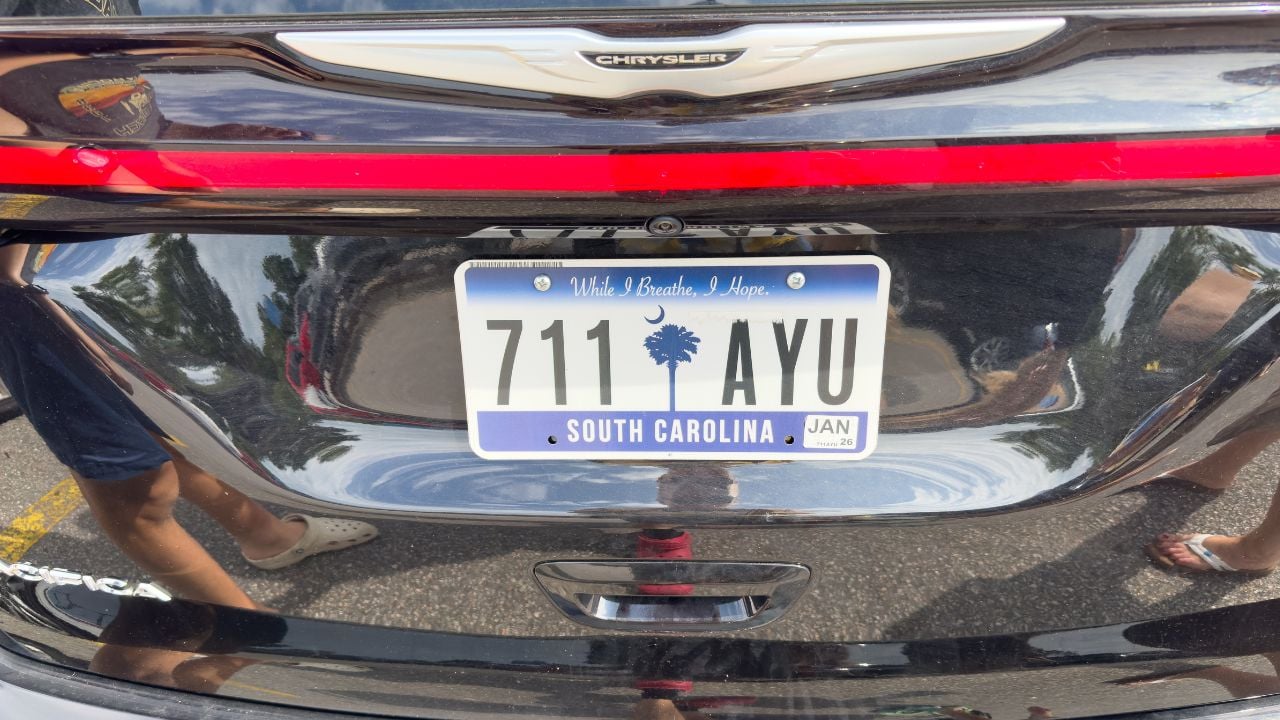
8 Vehicle Tax Surprises That Catch New South Carolinians Off Guard

South Carolina’s Department of Motor Vehicles charges every new resident a flat $250 just to title a car they already own.
What comes next catches many new residents off guard, and hardly any of it works the way they expect.
These are the vehicle tax surprises that catch new South Carolinians off guard.
Note: This is general information, not legal or tax advice. Vehicle tax rules, fees, and deadlines are subject to change, so confirm the current requirements with the South Carolina Department of Motor Vehicles and your county auditor’s office.
1. Your Tax Month, Not April 15
A vehicle’s tax due date in South Carolina ties to its tag, not to one calendar date everyone shares.
There’s no universal deadline.
Every registration decal carries an expiration month.
The county’s tax bill arrives in that same month every year.
One neighbor might owe every February, another every October, depending on when the owner first registered the vehicle.
A car bought new from a South Carolina dealership doesn’t get its first county tax bill until 120 days after the plate goes on it.
A transplant who misses the connection between those two dates can assume tax season already came and went.
2. The State-Set Car Value
What a driver paid for a car doesn’t matter on South Carolina’s vehicle tax bill.
The South Carolina Department of Revenue publishes a values guide.
Every county auditor pulls a vehicle’s taxable worth straight from it.
A good deal on a used truck won’t lower the number on the bill.
The guide sets that number using the same standards the auto industry already relies on nationwide.
County auditors then assess personal vehicles at 6% of that value, the rate South Carolina applies to nearly every car, truck, and SUV bought for personal use.
That 6% figure is written into the state constitution itself, not set by any single county.
A driver moving from Virginia, where an assessor taxes a car at its full market value, discovers South Carolina taxes only a fixed slice of that same number instead.
A private sale for less than book value doesn’t change what the county bills.
The county auditor’s office goes by the guide, not the receipt.
3. County Tax Before Renewal
The state’s Department of Motor Vehicles (SCDMV) won’t renew a license plate until the county confirms the property tax on that vehicle is paid.
No exceptions.
The SCDMV’s rules spell it out: The county has to notify the agency that the payment went through before the agency will issue a decal.
A driver who shows up at a branch office to renew a tag without paying the county first has to turn right back around.
The tax and the registration aren’t two errands.
They’re one, and the county goes first every time.
4. A Fee, Not Sales Tax
A vehicle purchase in South Carolina never triggers the traditional sales tax.
Instead, the state collects an Infrastructure Maintenance Fee, a flat 5% of the sale price, capped at $500 no matter how expensive the car is.
That fee replaced the old sales and use tax on vehicles under a 2017 law known as Act 40.
SCDMV collects it once, at first registration.
The fee stays exempt from every other state and local sales tax on top of it.
The money doesn’t go into the general fund, either.
By law, that money is restricted to repairing, maintaining, and improving South Carolina’s roads and bridges.
Psst! How much do you know about South Carolina’s DMV rules? Take our quiz and see how many you can get right.
Quiz
South Carolina DMV IQ
Answer these questions on South Carolina’s vehicle rules and DMV trivia. We bet you can’t get them all right. Prove us wrong?
In what year did South Carolina do away with mandatory annual vehicle safety inspections?
5. A Flat Fee for New Residents
A newcomer's car is treated differently than one bought from a South Carolina dealer.
Bring a car you already own into the state, and the Infrastructure Maintenance Fee isn't 5% of anything.
It's a flat $250, whether the car is a ten-year-old sedan or a nearly new truck.
South Carolina law gives a newcomer 45 days from the move to get that title and registration handled.
That window fills up fast once the county tax bill, the paperwork, and an SCDMV visit all have to happen in order.
6. One Bill, Not the Other
Many new South Carolinians assume that first fee at the SCDMV counter settles their car's tax obligation for good.
It settles the one-time part only.
The county's annual property tax bill is a separate charge.
That bill shows up the following year no matter what a driver already paid at registration.
A dealer who says they'll "handle the taxes and tags" is talking about that first visit, not the one coming next year.
Two offices.
Two bills run on two different schedules.
Neither payment cancels the other out.
7. The High-Mileage Appeal
A high-mileage discount can lower a South Carolina vehicle's taxable value.
No county auditor applies it automatically.
The mileage chart behind that discount comes from the South Carolina Department of Revenue.
It sets a different bar for every vehicle age instead of one flat number for the whole state.
Qualifying takes a written appeal filed with the county auditor, not an automatic line on the tax bill.
Some county auditor's offices send someone to check the odometer in person before granting the reduction.
Nobody flags that eligibility for a new resident.
A driver who commuted long distances in their old state and keeps doing the same thing in South Carolina can be leaving that discount unclaimed every single year.
What Counts as High Mileage in South Carolina
South Carolina counties measure high mileage as an average, not a single odometer reading.
The math is the total miles on the odometer divided by the vehicle's age in years.
A result above roughly 15,000 miles a year is what typically qualifies for a reduction.
The appeal has to reach the county auditor's office by the tax due date, which is the last day of the month the tag expires.
If you miss that date, the discount is gone for the year, since the appeal isn't automatic and doesn't carry over on its own.
8. Your Address, Your Tax Rate
No single vehicle tax rate applies across South Carolina.
Every county layers a combination of county, municipal, and school district millage on top of a car's assessed value.
SCDMV's address record is what tells the county which taxing district a driver falls into.
Move ten minutes down the road into a different city limit or school zone, and the tax bill can change.
The South Carolina Association of Counties' published millage tables put the county-only portion of that rate at about 0.056 in Charleston County versus about 0.229 in Allendale County.
That's a more than fourfold spread before a single city or school district mill gets added on top.
The identical car, taxed under a different county's millage, can end up owing several times more without anything about the vehicle itself changing.
Nothing about the car changed.
The address on file with the state set that new number instead.
6 Publix Meat Counter Mistakes That Cost South Carolinians Every Week

That neatly wrapped package in the Publix meat case looks convenient, and convenience rarely comes with the better price.
A few small habits at the counter can save money on butcher services and cuts many shoppers walk past without asking.
6 Publix Meat Counter Mistakes That Cost South Carolinians Every Week
7 South Carolina Town Names Even Longtime Residents Say Wrong

South Carolinians will happily correct a tourist's pronunciation of a hometown road, then mangle the name of a town two counties over.
A few local names look like one thing on the sign and sound completely different once a native says them out loud.
7 South Carolina Town Names Even Longtime Residents Say Wrong
