
8 WinCo Foods Quirks That Confuse New Oregon Residents

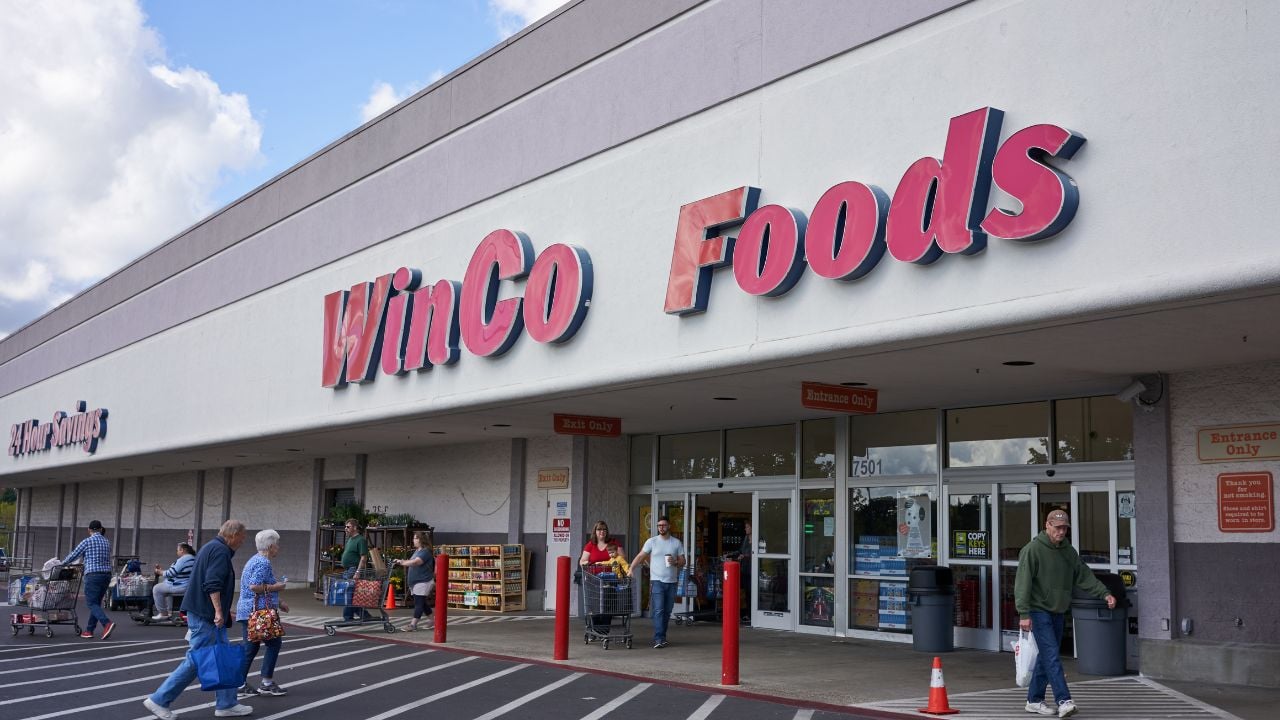
A new Oregon transplant pulls into a WinCo parking lot in Hillsboro, and the building looks like a warehouse nobody bothered to dress up.
That turns out to be the least surprising part of their trip.
WinCo Foods runs on habits that longtime Oregonians intuitively know. Everyone else has to learn fast.
These are the WinCo quirks that confuse new Oregon residents at first.
1. No Credit Cards Allowed
Walk up to a WinCo Foods register anywhere in Oregon, from Salem to Medford, and a credit card does nothing.
WinCo skips credit cards entirely because of the processing fees card networks charge retailers on every swipe.
Cash works.
So does a debit card with a personal identification number (PIN), and a personal check that clears WinCo’s rules.
WinCo also takes Women, Infants, and Children (WIC) benefits and Electronic Benefit Transfer (EBT) cards.
Not a credit card.
Newcomers used to tapping a card everywhere from Fred Meyer to the gas station get stuck at the register with a full cart and no way to pay.
Bring cash or a debit card on every WinCo trip in Oregon.
2. You Bag Your Own Groceries
Watch a WinCo checkout line in Eugene or Gresham, and the cashier’s hands stop the moment the last item scans.
WinCo offers no bagging or carry-out service at any of its stores.
The company calls it own savings bagging, and it means exactly what it sounds like.
Every single trip.
Shoppers coming from a Fred Meyer or a Safeway, where a bagger often finishes the job, end up standing at the end of the belt looking for help that never comes.
Pack your own bags at a WinCo in Oregon, and pack them fast because another shopper is already unloading behind you.
3. Employees Own the Company
The cashier ringing up an order at a WinCo in Corvallis or Bend might own a real piece of the company.
WinCo is majority owned by its own workers through an Employee Stock Ownership Plan (ESOP), and the company deposits stock into eligible employees’ accounts every year.
Employees never pay into it.
WinCo contributes 20% of an eligible employee’s pay in company stock annually, entirely on its own dime.
Fifteen years of $5,000 annual contributions can grow into an account worth close to $185,000, by WinCo’s own math.
A grocery job turns into real equity.
Forbes profiled a WinCo store in Corvallis, Oregon for a 2014 story titled “Millionaire Grocery Clerks,” calling it proof that a career stocking shelves could build real wealth.
4. Bulk Bins Have Rules
Cereal, coffee, rice, and candy all sit in open bins at WinCo, scoop-your-own style.
Shoppers who grew up on prepackaged bags need a minute to adjust, whether the store is in Salem or Springfield.
A pinch of trail mix from an open bin might feel like a free farmers market sample, but WinCo doesn’t see it that way.
WinCo’s own policy calls eating from the bins theft by consumption, and treats it exactly that seriously.
No free samples.
Bringing a personal container to fill from the bins is off the table too, since WinCo won’t approve consumer-owned containers for refilling because of weight and cross-contamination concerns.
The one exception is water jugs, which many stores will refill.
Scoop, weigh, and pay, and the bulk aisle works exactly like the rest of the store.
Psst! How WinCo-savvy are you already? Run through this checklist and see where you land.
5. No Membership Card, Ever
Shoppers who assume a bulk-bin warehouse store works like the Costco off I-5 get a surprise walking into a WinCo in Oregon.
No card required.
WinCo has never charged a membership fee, and the company says so plainly on its own FAQ page: Everyone saves, no card, no sign-up.
Just walk in.
The low prices come from the no-frills building, the self-bagging, and the missing card readers, not from an annual fee collected at the door.
Compare a receipt total at WinCo to a receipt total at a membership warehouse club sometime, and the WinCo total comes in lower without a card ever swiping at the entrance.
6. Your Mailbox Stays Empty
Oregon mailboxes fill up with Sunday circulars from Fred Meyer and Safeway, and a WinCo flyer never joins the stack.
WinCo skips weekly print ads on purpose, and puts that advertising money into lower shelf prices instead.
No mailer.
The company only mails a flyer for a special occasion, like a new store opening nearby.
Digital coupons still exist, but shoppers have to go looking for them on WinCo’s own website instead of waiting for them to show up in the mailbox.
Newcomers who plan a shopping trip around Sunday’s ad inserts have to build a new habit in Oregon, checking a screen instead of a stack of paper.
7. Empty Bottles Are Worth a Dime
Oregon passed the country’s first bottle deposit law in 1971, and every can or bottle rung up at a WinCo register still carries that legacy.
Buy a case of sparkling water at a WinCo in Portland or Salem, and the deposit shows up as its own line on the receipt.
Ten cents a container.
Haul the empties back, whether to the store itself or a nearby BottleDrop redemption center, and that dime comes back.
Shoppers arriving from almost anywhere else in the country never budgeted for this.
A garage full of rinsed cans piles up before they figure out why.
A large grocery store like WinCo has to take back a real quota of containers each day under state law, machine or no machine.
Skip the returns for a year, and the deposits missed add up to real money left on the table.
8. Your Bags Cost Extra Too
Pack your own groceries at a WinCo in Oregon, and the bags themselves aren’t free either.
Oregon banned single-use plastic checkout bags statewide under House Bill 2509, and retailers have to charge at least a nickel for any paper or reusable bag they hand over.
Five cents a bag.
WinCo also sells a thicker reusable bag at the register, a one-time cost that pays for itself after a few trips.
Bring your own bags.
Some WinCo locations credit a few cents back per bag, though that varies store to store, so it’s worth asking at the customer service desk.
A shopper who packs six bags a trip and skips the reusable habit can watch thirty cents vanish into bag fees before the receipt even finishes printing.
7 States That Won’t Touch a Penny of Your Retirement Income in 2026

Grocery bills aren’t the only cost that changes depending on where a shopper lives.
Some states never touch a dollar of retirement income, whether it comes from a pension, a 401(k), or a Social Security check.
7 States That Won’t Touch a Penny of Your Retirement Income in 2026
