
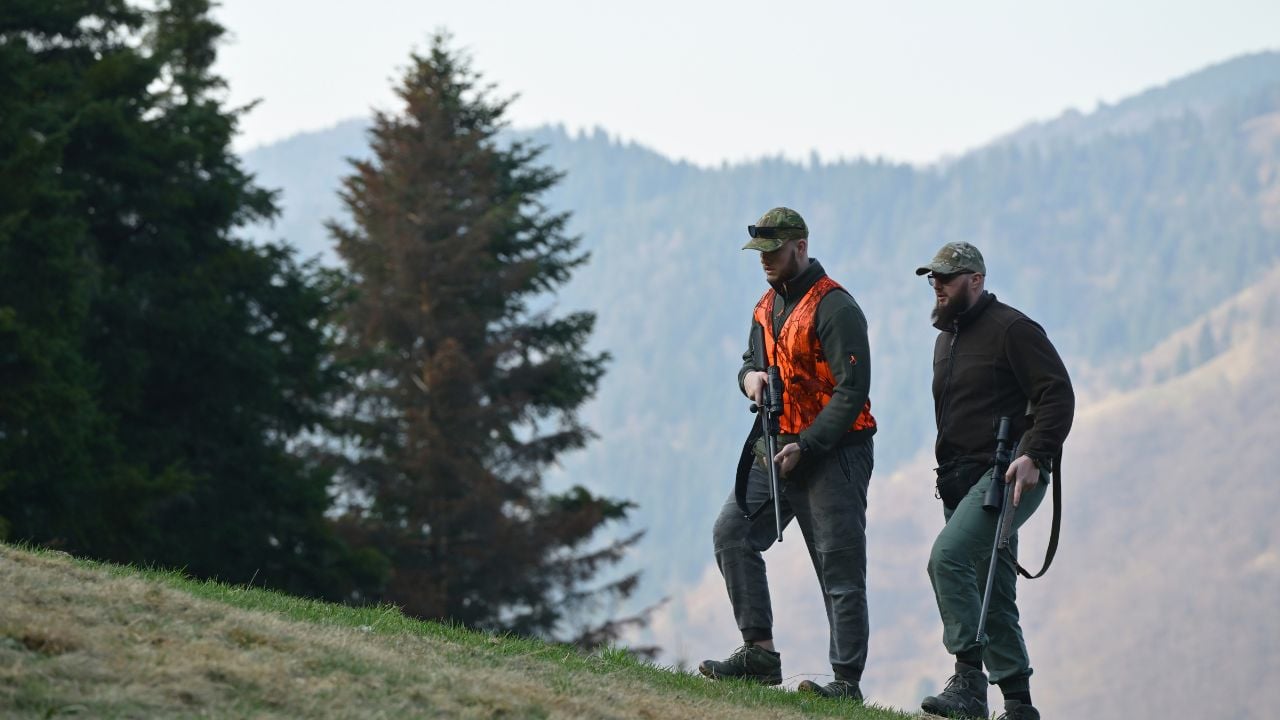
8 Wisconsin Deer Season Rules Landowners Get Wrong Near a Property Line

Archery season is already open in Wisconsin, which means hunters may be closer to your fence line than you think.
What you can do near that line, and what they can, isn’t always obvious.
These are the deer season rules landowners often get wrong.
Note: This is general information, not legal advice. Hunting regulations and property laws are subject to change, so confirm the current requirements with the Wisconsin Department of Natural Resources.
1. 100-Yard Building Rule
Wisconsin bars you from firing a rifle or shotgun within 100 yards of a building devoted to human occupancy, but only on land you don’t own.
Permission changes everything.
Get the owner or occupant of that dwelling to say yes, and your buffer disappears.
Does that 100-yard ring protect a barn or a shed the same way it protects the house?
State law says no.
The rule names only a building used for human occupancy, so a machine shed thirty yards off the tree line carries no such shield.
This rule is already in play, since Wisconsin’s archery season opened well before gun season and runs into early January.
That long stretch matters near a boundary, since bow hunting generally puts you far closer to a building than a rifle shot needs to be.
2. Roadside Setback
Wisconsin’s roadside setback can cost you hunting ground well inside your property line, long before you reach the road out front.
No one may hunt, or discharge a firearm, bow, or crossbow, within 50 feet of a public road’s center.
That’s the center of the road, not the shoulder or the ditch, and the buffer isn’t measured from a fence or a survey pin either.
Shooting across a highway is illegal outright, permission or not.
You might figure your frontage is fair game clear to the ditch.
It isn’t.
3. Unposted Land Myth
Wisconsin doesn’t require a single posted sign for entering someone’s land without permission to count as trespassing.
That might surprise you if you never got around to marking your property line, assuming hunters would fill in the blank on their terms.
Permission is the default rule, sign or no sign, under Wisconsin’s trespass law.
Tell a hunter no yourself, in person or by phone, and you’ve given all the legal notice the law requires.
No sign needed.
Hunters who treat an unmarked tree line as a green light end up explaining themselves to a game warden.
4. Legal Paint Markings
Wisconsin lets you mark a property line with paint instead of a sign, but the paint has to do legal work.
State law calls for a contrasting color and a stripe at least a foot long.
It also has to spell out the words “private land” plus your name, placed at least twice for every 40 acres.
A bare splash of paint on a fence post, purple or any other color, doesn’t meet that bar on its own.
Many landowners believe any purple mark automatically means no trespassing, the way it works in some other states.
Color alone isn’t enough.
Skip the wording, and a court has nothing to hang a trespassing case on.
5. Retrieving a Downed Deer
Hunters cross a property line more often chasing a wounded deer than for any other reason during archery season.
A blood trail crosses whichever land it crosses.
The law still applies to whoever’s following it.
Wisconsin’s trespass law doesn’t carve out a chase-the-deer exception, so stepping onto a neighboring parcel to recover a deer, dead or alive, still takes that landowner’s permission.
The Wisconsin DNR spells this out for one case: Managed Forest Law land.
Even a hunter with standing access to that acreage can’t retrieve a deer from a crop field on it without asking first.
A wounded animal feels like it should count as an emergency, an unwritten exception that lets you cross without asking.
State law doesn’t recognize one.
The DNR’s advice is to work out retrieval arrangements with a neighbor before the season starts, not after a deer has already crossed the line.
6. Leashed-Dog Retrieval Rule
State law lets you follow a blood trail across your neighbor’s property line with a leashed dog, but only if you leave your weapon behind.
No one may carry a firearm, airgun, bow, or crossbow while using a leashed dog to trail a wounded deer, per the Wisconsin DNR’s rule on hunting dogs.
Not even to finish it.
Crossing that line still takes the neighbor’s permission, leash or no leash.
Wisconsin’s Only Deer-Dog Exception
Wisconsin’s rule on hunting dogs bars them from deer and elk hunting outright.
The leashed blood-trail dog is the one exception, and it only works unarmed.
7. Landowner Liability Protection
You might turn down a neighbor’s request to hunt across a shared line, worried a lawsuit follows if a hunter is hurt.
That fear usually isn’t warranted.
Wisconsin’s recreational-use law strips away the usual duty to keep land safe or warn of hazards for anyone entering to hunt, fish, or trap.
That protection covers you no matter how casual the permission was.
One exception carves back in.
Wisconsin’s law doesn’t shield an owner from an expressly invited social guest hurt on platted, residential, or commercial land within 300 feet of a building, under Wis. Stat.
895.52(6)(d).
That carve-out rarely touches a rural hunting parcel, but it keeps the protection from being absolute.
Skip charging for access, and you keep that protection intact, the social-guest carve-out aside.
Psst! How much do you know about Wisconsin’s hunting history and land rules? Take our quiz and see how many you can get right.
Quiz
Wisconsin Land & Law IQ
Answer these on Wisconsin’s hunting history and land rules. We bet you can’t get them all right. Prove us wrong?
In what year did Wisconsin’s Department of Natural Resources first confirm chronic wasting disease in a wild deer?
8. Managed Forest Rule
Wisconsin's Managed Forest Law can trade the boundary closest to your house for a lower tax bill, and many landowners enroll that exact acreage.
Once a landowner enrolls that acreage as open, they can't unilaterally carve out a buffer near the house.
The DNR puts it plainly.
A landowner can't limit the number of hunters or restrict access to part of that open acreage, boundary line or not.
The one thing an enrolled landowner can do is post a sign showing hunters the preferred route in, not a line they can't cross.
That surprises new enrollees in the weeks before archery season opens, when a fresh coat of paint on a homemade "closed" sign feels like it should count for something.
It doesn't change what enrolling in the program already opened to the public every fall.
8 Things a Wisconsin Supper Club Menu Still Won't Change, No Matter How Long It's Been

A Wisconsin supper club can change owners three times over and keep serving the same relish tray.
The rest of the menu holds just as still, decade after decade.
8 Things a Wisconsin Supper Club Menu Still Won't Change, No Matter How Long It's Been
6 Everyday Tasks Technology Has Made Needlessly Hard for Wisconsinites

Paying a Milwaukee property tax bill online tacks on a fee that a paper check skips.
A handful of other everyday errands got harder when Wisconsin moved them online, not easier.
6 Everyday Tasks Technology Has Made Needlessly Hard for Wisconsinites
