
8 Things a Wisconsin Supper Club Menu Still Won’t Change, No Matter How Long It’s Been

Wisconsin has more than 250 supper clubs inside its borders, by Travel Wisconsin’s tally. That number has held roughly steady for years.
Yes, owners retire, and buildings get repainted.
But even when a new generation takes over the kitchen, the menu comes out the other side almost exactly as it went in.
These are the things a Wisconsin supper club menu still won’t change, no matter how long it’s been.
1. Brandy, Never Bourbon or Rye
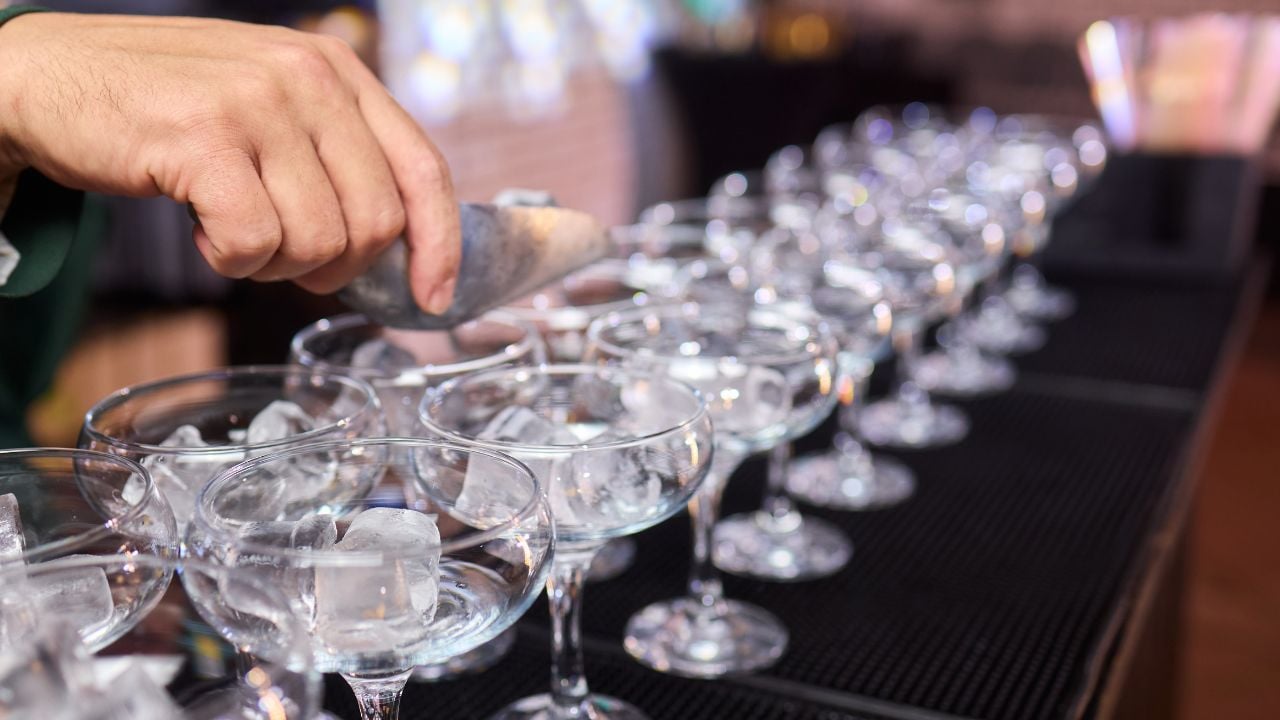
Order an Old Fashioned at a Wisconsin supper club, and the bartender reaches for brandy, never bourbon or rye.
Elsewhere in the country, that order usually means whiskey.
Not here.
Wisconsin buys more than half of every case of Korbel brandy the company sells, according to sales figures the distiller has shared with reporters.
Bartenders still hand-muddle the classic mix of bitters, a sugar cube, and fruit right in the glass instead of reaching for a bottled mix.
That habit hasn’t loosened even as bourbon-based Old Fashioneds have trended almost everywhere else in the country.
2. The Free Relish Tray
A Wisconsin supper club still sends a relish tray to the table before anyone orders dinner.
The bill never carries a separate line for it.
Every other course on the menu has gotten pricier over the decades.
The relish tray hasn’t.
It still arrives loaded with pickled beets, a cheese spread, and raw vegetables, spun around the table on a rotating Lazy Susan instead of divided onto separate plates.
Nobody at the table gets a private portion.
Everyone reaches for the same tray until it’s empty.
3. Shrimp Cocktail, Still Here
Shrimp cocktail still opens the appetizer menu at a Wisconsin supper club, the same starter that showed up once refrigeration made shipping seafood inland practical after World War II.
At many clubs, five jumbo shrimp still ring a glass of cocktail sauce loaded with horseradish.
No trendy remoulade.
No citrus foam.
Just the same appetizer generations of Wisconsin diners have ordered before the main course landed.
4. Friday’s Fish Fry
Friday night fills a Wisconsin supper club’s dining room for one dish, the fish fry.
Prohibition-era taverns and Catholic households built the custom decades before anyone alive today was ordering dinner.
The fish itself has shifted even when the night hasn’t.
Not the ritual.
Some clubs still pull walleye or lake perch from nearby waters.
Others fry cod or haddock instead and serve it exactly the same way, battered, table-side, with rye bread and a scoop of coleslaw.
5. Saturday’s Prime Rib
Saturday night at a Wisconsin supper club still means prime rib, built the same way it has for generations.
The roast goes into the oven low and slow for hours before the dinner rush even starts.
Servers still carve it to order and set it down with a cup of au jus and a scoop of horseradish on the side.
That’s the whole production.
No fusion sauce, no seasonal swap, no menu redesign that skips Saturday’s main event.
6. Sunday’s Broasted Chicken
Sunday chicken at a Wisconsin supper club owes its crunch to a Beloit inventor who just wanted a faster way to fry it.
L.A.M. Phelan combined a pressure cooker and a deep fryer in 1953, and the Broaster Company opened the next year to sell the machine.
More than seventy years later, many Wisconsin supper clubs still cook Sunday’s chicken the same way, under pressure, in the same style of fryer.
The spice blend has barely changed since Phelan worked it out.
Broaster still operates from Beloit.
Some clubs sell it all-you-can-eat, and regulars know to pace themselves.
What Makes Chicken “Broasted”
A Wisconsin supper club can only call chicken “Broasted” if it follows a legally trademarked process.
That process requires a licensed Broaster pressure fryer plus a marinade and coating blend, both trademarked by the Beloit company that invented the method.
A kitchen using a different recipe and a regular deep fryer can still turn out great fried chicken, but a federal trademark keeps it from calling that dish “Broasted.”
7. Dessert in a Cocktail Glass
Dessert at a Wisconsin supper club still doubles as a bar menu, thanks to a lineup of ice cream cocktails nobody seems to want retired.
Order a Grasshopper or a Pink Squirrel, and the server brings back something closer to a boozy milkshake than a drink.
Half dessert, half drink.
Bartenders blend crème de menthe or crème de cacao with ice cream instead of shaking it with cream, the Wisconsin twist on both recipes.
The glass usually arrives with a straw and a spoon because neither one gets the job done alone.
8. Free Soup or Salad With the Entrée
A choice of soup or salad still rides free with almost every entrée at a Wisconsin supper club.
Order the prime rib or the fish fry, and a server asks which one you want before the entrée even arrives.
Not both.
A Madison Magazine survey of more than 1,000 supper club regulars ranked a soup-or-salad course with entrées among the standards diners agree on most.
The soup rotates by the night, and French onion shows up often.
The salad side sometimes means a self-serve bar loaded with toppings instead of a plated wedge.
Neither option costs extra.
Entrée prices have risen for years.
That opening course has never turned into a separate line on the bill.
A Tradition Measured in Decades
Wisconsin’s supper club count runs past 250 statewide, and the total has held roughly steady for years.
Many sit on rural crossroads and lake roads instead of city blocks, descendants of Prohibition-era roadhouses that sold liquor in the back while running a kitchen up front.
Some of those roadhouses have operated under the same roof for more than sixty years, passed from one generation of the same family to the next.
The building changes hands sometimes.
The kitchen keeps doing what it’s always done.
Psst! How much do you know about Wisconsin supper clubs? Some of what people assume turns out to be myth, not fact.
Parts That Did Change
Menus at Wisconsin supper clubs today often carry items nobody would have found decades ago.
Vegetarian entrées, artisanal cheese boards, and local craft beer taps now sit alongside the same brandy Old Fashioneds and prime rib dinners that have anchored the menu for decades.
The building might be the same one from 1962.
The tap list rarely is.
A newer owner can swap the beer list, add a market salad, or bring in a rotating dessert special without anyone accusing the place of losing its identity.
That market salad often lands on the same laminated menu as a relish tray that still doesn’t cost extra.
6 Kwik Trip Habits Costing Wisconsin Shoppers More Than They Notice
Roughly 80% of what’s stacked on a Kwik Trip shelf is a product Kwik Trip makes itself, which is part of why it keeps beating traditional grocery stores on price.
The rewards program still has a way of costing shoppers money they never notice leaving their wallet.
6 Kwik Trip Habits Costing Wisconsin Shoppers More Than They Notice
11 Things Wisconsinites Say That Baffle Everyone Else

A new hire in Sheboygan once asked a coworker where to find the water fountain, and the coworker pointed her toward the “bubbler” instead.
Wisconsin has a whole vocabulary that sounds like plain English until an outsider tries to keep up with it.
