
9 Breaking Points That Make Longtime Californians Leave (and Where They Go)

Nobody wakes up one Tuesday and decides to abandon California.
It builds slowly before one bill, one email, or one sit in traffic puts you past your breaking point.
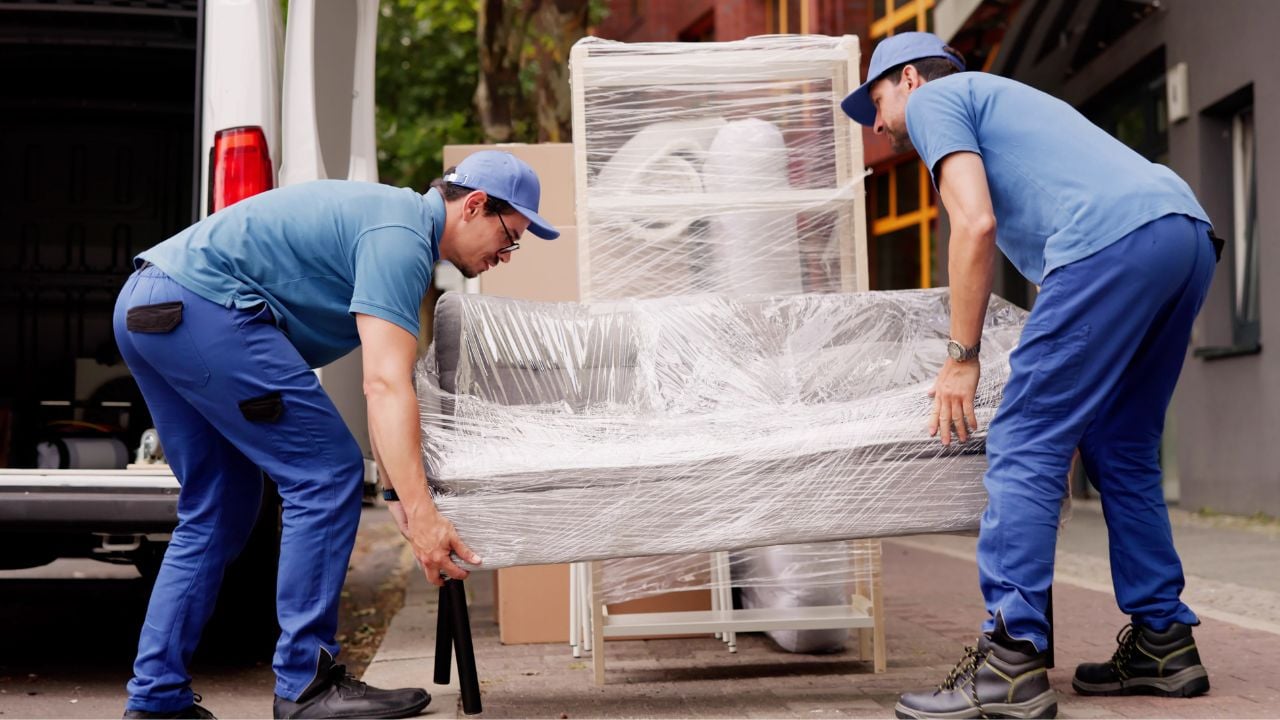
Then the moving van shows up, and a Californian who swore they’d never leave is gone.
This is why California’s biggest fans are leaving and the states they’re moving to.
High Mortgages
One of the biggest reasons Californians leave their home state is that housing prices are so high.
The statewide median home price hit a record $930,260 in spring 2026, per the California Association of Realtors.
That’s not a beach house.
That’s a three-bedroom house in a decent school district, and it prices out teachers, nurses, and the kids who grew up down the block.
So, many Californians sell a modest place in Sacramento, buy something twice the size in a suburb of Dallas, and pocket the difference.
Boise pulls the same crowd.
The Tax Bracket Sting
California charges the country’s highest top income tax rate, a 13.3% bite at the very top, according to the Tax Foundation.
Most Californians never touch that bracket.
But the full ladder runs steep, and a two-earner household in San Jose feels every rung of it.
Texas and Nevada charge no state income tax at all, and that math wins arguments at a lot of California dinner tables.
A retiree cashing out a 401(k) runs the arithmetic once, then starts browsing homes in Las Vegas.
Nevada sits a four-hour drive from Los Angeles, close enough to keep the grandkids in reach.
Pain at the Pump
Californians pay more to fill a tank than almost anyone in the country.
Regular unleaded averaged $5.37 a gallon in California in early July 2026, per AAA, against a national average near $3.79.
That gap runs more than a dollar and a half on every gallon.
Stretch a long California commute across a year, and the pump alone funds a nice vacation somebody else is taking.
Cross into Arizona, and the same fill-up drops well over a dollar a gallon.
Texans buy some of the cheapest gas in the nation, and transplants clock the savings their first week there.
When the Insurer Walks
Plenty of Californians didn’t plan to leave the state over insurance… until a non-renewal letter decided for them.
As major carriers pulled back from wildfire country, homeowners got funneled onto the state’s insurer of last resort, the FAIR Plan.
Its policies in force reached 684,388 by March 2026, up 152% in under four years, per the California FAIR Plan’s own figures.
That plan often costs more and covers less, and the January 2025 Los Angeles fires only tightened the squeeze.
A family staring at a bare-bones policy on a hillside home starts pricing towns in the Arizona desert instead.
Idaho and Tennessee both draw Californians who want a yard without a wildfire map stapled to the deed.
Sitting in Traffic
Californians lose whole weeks of their lives on freeways that stopped moving years ago.
The 405 and the Bay Area’s I-80 turn a short hop into an hour, and the commute swallows the evening.
You can love California and still resent what the drive did to your Tuesday.
Phoenix and its suburbs hand transplants wide roads and a garage you can reach by 5 p.m.
Nevada’s Reno catches the same crowd, close to the Sierra without the gridlock underneath it.
The Sidewalk Problem
California carries the largest homeless population in the country, and longtime residents see it on their own blocks.
More than 187,000 people were unhoused statewide in the latest federal count, CalMatters reported.
That’s roughly a quarter of everyone experiencing homelessness in the nation, concentrated in one state.
A Californian who watched a downtown they loved change stops fighting it and starts looking east.
Boise and Nashville both land near the top of the wish list for families chasing a calmer Main Street.
Red Tape at Work
Small business owners in California hit a wall of permits, fees, and filings that never seems to shrink.
A restaurant owner in Oakland can spend months on approvals a Texas town would clear in weeks.
So the owner moves the whole operation to Austin or Nashville and reopens with room to breathe.
Tennessee courts these Californians on purpose, dangling lower costs and a friendlier front desk at city hall.
Texas has spent a decade recruiting California companies, and the employees follow the jobs across the line.
The Everything Tally
Any single California cost is survivable, and the pile of them stacked together is what breaks people.
Groceries, utilities, childcare, and the sales tax on top all run above the national norm at once.
A Californian adds it up one Sunday and admits the paycheck quit stretching a while back.
That arithmetic drives the exodus toward Texas, Arizona, and Tennessee, where the same salary buys a life with slack in it.
Idaho picks up the ones who’d trade the ocean for mountains and a mortgage they can say out loud.
Psst! How much do you know about California beyond the moving-truck headlines? Take our quiz and see if a few of these questions trip you up.
Where They Actually Land
About 254,300 more people left California than moved in during 2024, the largest net loss of any state, per USAFacts and Census figures.
Texas took the biggest share of these departing Californians by a wide margin.
Nevada and Arizona filled out the top three destinations, nearby states with lower everything.
The pattern holds year after year, and the trucks keep pointing in the same direction out of California.
Idaho, Tennessee, and Florida round out the shortlist for the Californians who don’t mind a longer drive back to the coast at the holidays.
8 Affordable States Drawing California Retirees Away in 2026

Sell a house in Fresno, buy one in Tulsa, and you’re richer almost overnight.
That price gap explains a California retiree migration that the Census Bureau now counts in the hundreds of thousands.
8 Affordable States Drawing California Retirees Away in 2026
7 California Towns Where Retirees Can Still Afford to Live
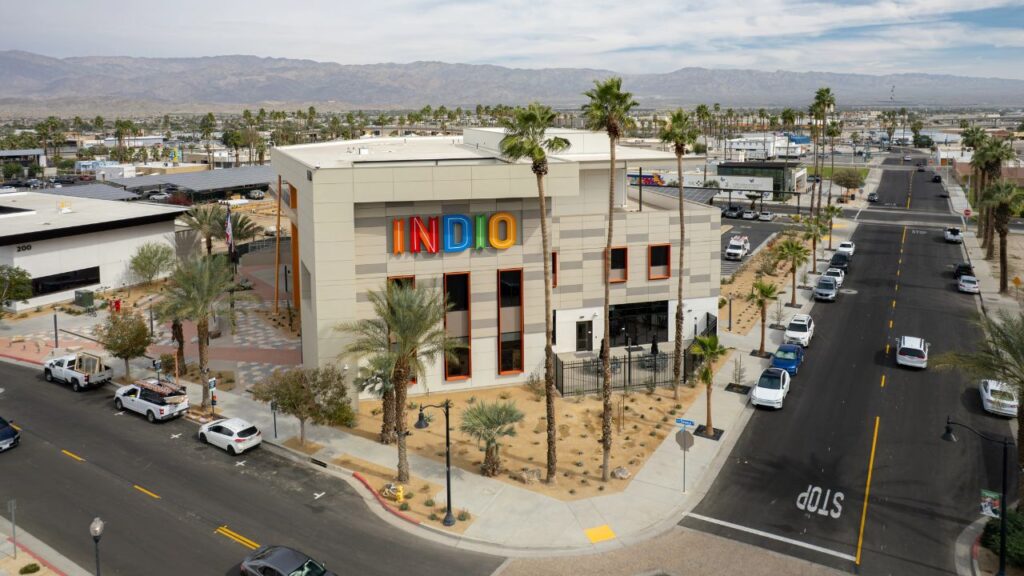
Everyone says you can’t afford to retire in California anymore, and the coast mostly proves them right.
But drive a couple of hours inland, and the Golden State suddenly looks reachable on a fixed income again.
