
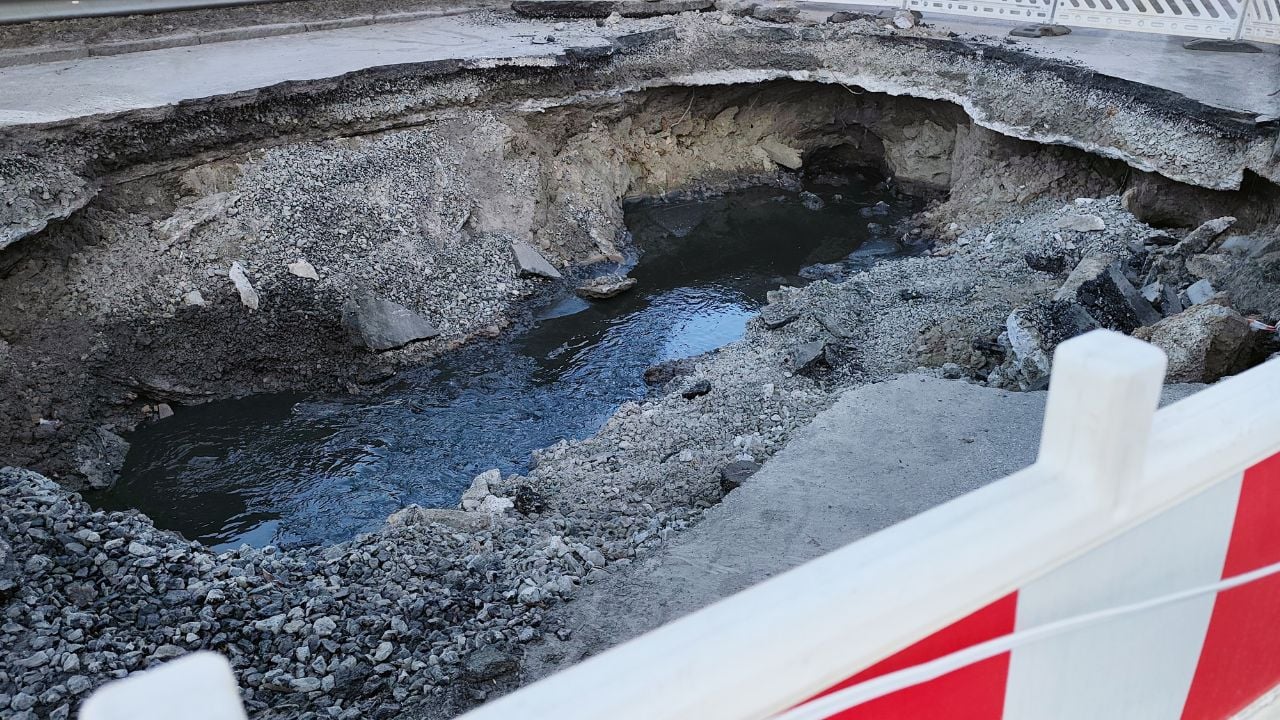
9 Early Sinkhole Signs Florida Homeowners Mistake for Something Harmless

Florida property insurers paid out $1.4 billion in sinkhole claims in a single five-year stretch.
Almost none of those claims started with a hole anyone could see.
These are the early sinkhole signs Floridians mistake for something harmless.
Note: This is general information, not legal or insurance advice. Florida’s sinkhole coverage rules and deductible options are subject to change, so check the specifics with your insurer or agent.
1. Stair-Step Cracks in the Mortar
A stair-step crack climbing jagged through the mortar joints of a brick or block wall is often the first sign of a sinkhole a Florida homeowner gets.
A straight crack from summer heat is common in Florida and rarely means anything.
A jagged, stepped crack that follows the mortar line instead of cutting straight through the brick means something different to an engineer. It tracks the same uneven settling that sinkhole activity causes.
Many homeowners paint over it.
A crack wider than a pencil, or one that keeps reopening after you patch it, is worth a second look.
2. A Door That Won’t Latch
Not every sticky door in a Florida home points to a sinkhole. Humidity swells the wood every summer, and that alone explains many cases.
A door or window that suddenly won’t latch, or one that used to close fine and now scrapes the frame every time, means something else: The ground underneath has shifted enough to pull the frame itself out of square.
The foundation is what moved, not the door.
Sand the door down, and the problem usually comes right back within a season.
The frame didn’t change.
3. A Gap at the Baseboard
A thin gap opening between a wall and the floor, or a baseboard that used to sit flush and now has daylight behind it, is sometimes the first place a Florida homeowner notices sinkhole movement, before anything outside looks wrong.
Homeowners tend to explain this away as an old house just settling with age.
New construction settles for a year or two.
Then it stops.
A gap that keeps growing on a home that’s been standing for a decade or more is a different problem. It means one side of the foundation is dropping faster than the rest.
4. Cloudy Well Water
Florida well owners sometimes get their first hint of sinkhole activity from the tap, not the yard.
Well water that runs cloudy or gritty after years of running clear is a sign the aquifer’s limestone pathways have been disturbed.
Many people blame the pump.
A failing pump or hard water usually causes a gradual change, while cloudiness that shows up suddenly and sticks around is worth mentioning to a well contractor, especially if it lines up with any other odd sign on the property.
5. A Spot That Never Drains
A soggy low spot that never quite dries out in a Florida yard isn’t always sprinkler runoff or bad drainage, the two explanations homeowners reach for first.
The Florida Department of Environmental Protection describes this type as a cover-subsidence sinkhole, where sediment slowly ravels into a void underground and the surface eases into a bowl-shaped dip that can take years to form.
That years-long timeline is exactly why homeowners ignore the damp patch instead of investigating it.
Watch for a pattern.
A mower that suddenly dips in the same spot, or grass that stays soggy days after every neighbor’s yard has dried, means it’s time to look closer instead of blaming the sprinklers again.
6. A Fence Post Sinking Lower
A fence post, a mailbox post, or the top of a well casing that suddenly shows more of its base in a Florida yard isn’t rising. The ground around it is dropping.
Nothing pushed it up.
Homeowners tend to blame erosion, a dog digging, or a sprinkler head that’s been running too long.
Small signs like this preceded a much bigger event in Hernando County.
That Spring Hill sinkhole grew to 30 feet deep and 105 feet wide in 2014.
Officials evacuated four houses nearby and gave one family just 48 hours to move out.
Psst! How much do you know about Florida’s sinkhole rules? Flip each card below and see how many you already had right.
7. A Tree That Starts Leaning
A tree, a fence line, or a utility pole tilting a little more every month, with no storm or wind event to blame, can mean a Florida sinkhole is undercutting its roots long before the damage reaches the house.
The soil around its base can no longer hold it upright the way it used to.
Many people chalk it up to an old tree or a fence that finally needs work.
Straightening it won’t help.
If more than one thing in the same corner of the yard starts leaning the same direction, the ground beneath all of them is moving at once.
8. Cracks Splitting the Pool Deck
Florida’s pool decks sit on the same shifting ground as the house next to them, and sinkhole activity cracks them for the same reason.
Concrete cures and shrinks a little no matter what’s underneath it, so a hairline crack the week after a new pour rarely means much.
A crack that opens up years later, or a pool shell that starts pulling away from its own deck, points to the ground beneath one side moving independently of the other.
Pool builders hear “it’s just the concrete” from homeowners constantly.
It rarely is.
A widening gap between the coping and the deck is worth a second opinion before it’s worth another bag of patching compound.
9. A Dead Patch Nothing Explains
A ring or oval patch of dead grass or plants in a Florida yard, with no drought or pest problem in sight, can be a forming sinkhole cutting off water from underneath.
The ground above the void drains water downward instead of holding it near the surface, so the patch stays dead even with regular watering.
A homeowner who sees this usually calls it a lawn disease, a pest problem, or a broken sprinkler head.
Fungicide won’t fix it.
A dead patch with a rounded, defined edge, sitting apart from any shade line or foot traffic, deserves a closer look at what’s happening underneath it.
What Florida Law Requires
Florida law splits sinkhole protection into two separate coverages, and many homeowners have only ever heard of one of them.
Just one.
Every insurer writing property policies in the state has to include coverage for a catastrophic ground cover collapse, automatically, with no extra premium required.
The other coverage, sinkhole loss, only applies if a homeowner buys it separately for an added premium, and insurers can require an inspection first.
What Counts as a “Catastrophic” Collapse in Florida
Florida law sets a four-part test for a catastrophic ground cover collapse, and a loss has to clear every part of it to qualify for that automatic coverage.
The ground has to collapse abruptly and leave a hole or depression clearly visible at the surface.
The building needs confirmed structural damage. A government agency also has to condemn it and order everyone to leave.
Miss even one part of that test, like cracked walls with no condemnation order, and only a separate sinkhole loss policy would pay for the repair.
Where Florida’s Sinkhole Claims Cluster
Florida’s sinkhole claims don’t spread evenly across the state, which is part of why homeowners in some zip codes take these signs more seriously than others.
Between 2006 and 2010 alone, the state’s insurance regulator tallied nearly 25,000 sinkhole claims worth $1.4 billion.
Two-thirds of those claims traced back to just three counties: Hernando, Pasco, and Hillsborough, an area regulators nicknamed Sinkhole Alley.
Claims have since crept into Miami-Dade and Broward too, counties the same report called unusual territory for sinkhole activity.
Only about 1% of those claims involved damage severe enough to get a home condemned.
Just one in a hundred.
The rest started small: A crack, a sticking door, a damp spot in the yard.
Florida law only gives a homeowner two years from the day they knew, or reasonably should have known, about a loss to report a sinkhole claim to their insurer.
That clock starts with the crack in the mortar or the door that stopped closing right, not the day the ground finally gives way.
9 Florida Insurance Discounts Homeowners Qualify For and Never Ask About
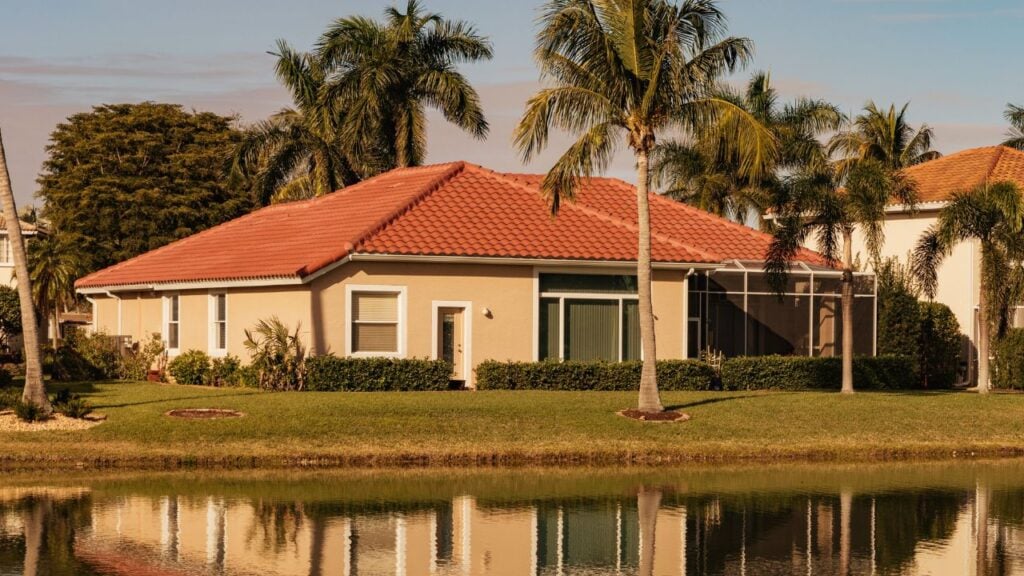
A Cape Coral homeowner puts up a full set of storm shutters, adds a water sensor by the water heater, and never once calls the insurance agent about either upgrade.
Florida insurers hand out dollar-value credit for improvements like those, but only after someone asks for it.
9 Florida Insurance Discounts Homeowners Qualify For and Never Ask About
10 Florida Wildlife Rules People Break Just by “Being Friendly”
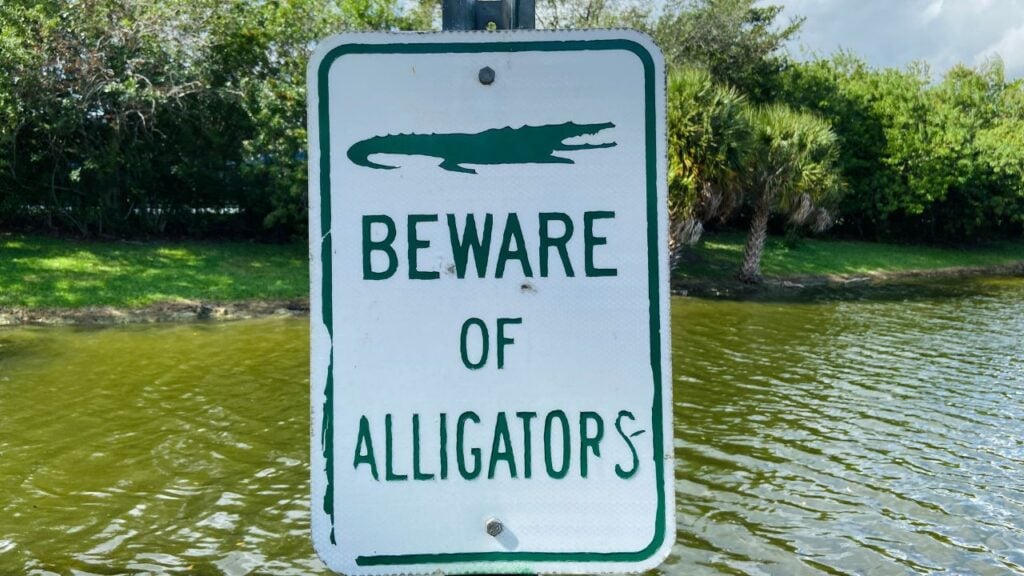
A tourist stepped on a sea turtle nest on Miami Beach in 2019 and walked away with a felony charge and a $5,000 bond.
Many people who run afoul of Florida’s wildlife rules are only trying to help an animal, pet it, or get a good photo.
10 Florida Wildlife Rules People Break Just by “Being Friendly”
