
9 Florida HOA Rules That Leave Homeowners Powerless

In Florida HOA neighborhoods, two-thirds of your neighbors can vote to change the rules that your household has to follow.
That hurts.
These are the Florida HOA rules that leave homeowners powerless.
Note: This is general information, not legal advice. Association rules and Florida law can change, so confirm the current details with your HOA.
1. Foreclosing on Your Home
A Florida HOA can take your house over unpaid dues.
When your governing documents authorize it, and many do, the association records a lien on your parcel once your assessments fall behind.
Then it can foreclose that lien in court, the same way a bank forecloses a mortgage.
On top of the back dues, the board can add interest, late charges, court costs, and its attorney fees.
A few thousand dollars in arrears has been enough to cost owners their paid-off homes.
The one guardrail is timing.
The association has to send a notice and wait 45 days before it records the lien, so an owner who answers that letter fast can usually stop the slide.
2. Loser Pays the Lawyers
Suing your HOA in Florida carries a catch that stops most owners cold.
Under Chapter 720, the prevailing party in a dispute recovers reasonable attorney fees and costs.
Win, and the association might cover your lawyer.
Lose, and you pay theirs, which can run many times the $200 fine you were fighting.
The board holds an edge before the case even starts.
It pays its lawyers out of everyone’s dues, so the whole neighborhood’s money is behind the association while you cover your own bill.
You fund both sides.
Most owners just pay and move on.
An owner who does win can even recover their share of the dues the HOA spent fighting, though few gamble that far.
3. Fines by the Day
One hundred dollars a day is what a Florida HOA fine can reach for a violation you leave unfixed.
Chapter 720 lets the board charge up to $100 per violation, and for something ongoing, like grass too tall or a trailer in the driveway, it can add another $100 for every day you leave it.
Day after day.
The total caps at $1,000 unless your governing documents set it higher, and many of them do.
Once a fine reaches $1,000, it can become a lien on your parcel.
You do get 14 days’ notice and a hearing in front of a committee of three neighbors first.
That committee only confirms or rejects the fine the board already decided on.
A 2024 overhaul did draw a couple of lines, with no fine for trash cans left out within 24 hours of pickup and a grace period on holiday lights.
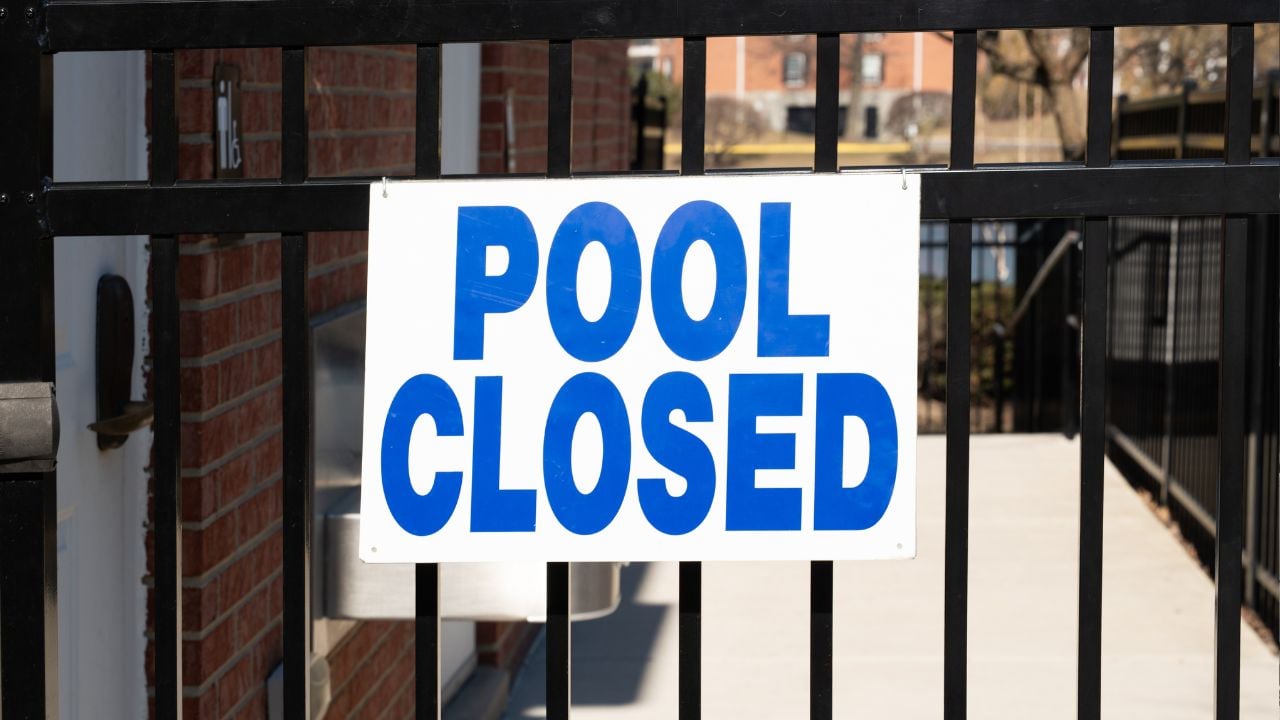
4. Locking You Out of the Pool
Fall behind on your HOA dues, and you lose access to the neighborhood’s amenities.
Once you’re more than 90 days delinquent on any fee or fine, the board can suspend your right to use the common areas until you pay in full.
The pool, the gym, the clubhouse, the tennis courts, and the boat ramp all become off-limits.
This suspension skips the hearing entirely.
The board votes at a noticed meeting, mails you notice, and your key fob stops working.
That said, two things stay protected: They can’t block your right to park or drive to your own home, and they can’t cut off your access or utilities.
Everything else is fair game.
5. Muting Your Vote
Your HOA can take away your vote, too.
That same 90-day delinquency lets the board suspend your voting rights until you settle up.
Here’s the part that stings: The board subtracts your suspended vote from the total, so it doesn’t even count toward a quorum.
The board can pass amendments and win elections more easily with your voice pulled out of the math.
No hearing this time either.
Pay the balance in full, and your vote comes back.
Until then, the people fining you also control the ballot.
Psst! How much do you know about Florida homeownership beyond the HOA gate? Take our quiz and see if you can ace it.
Quiz
Florida Homeowner IQ
Answer nine questions on Florida homesteads, history, and hometown quirks. We bet you can’t get them all right. Prove us wrong?
Florida’s highest natural point is the lowest of any U.S. state. About how far above sea level does it rise?
6. Approval to Paint Your House
In most Florida HOAs, you can't touch the outside of your own home without a yes from the board.
The architectural committee reviews the size, type, and appearance of anything you add or change.
Paint color, fence, roof, driveway, mailbox, and even the shrubs you want to plant out front all count.
That power has to be written into the covenants.
Since the 2024 reforms, a denial must come in writing and name the exact rule you'd break.
They can't police the inside of your home or an air-conditioning unit nobody sees from the street.
They also can't turn down hurricane shutters or impact windows that meet the community's standards.
But the paint chip for your front door still needs a signature.
7. Assessments You Never Approved
A four-figure repair bill can land in your mailbox with nothing but a Florida HOA board vote behind it.
When the clubhouse roof fails or the retention pond needs dredging, the board can levy a special assessment to cover it.
In many communities, the declaration lets the board approve that assessment on its own, with no vote of the members.
You get a notice and a due date.
That's it.
Skip the payment, and it becomes an unpaid assessment, which drops you right back onto the lien-and-foreclosure track.
State law doesn't hand you a vote on it.
Whether members ever weigh in comes down to what your own covenants say, so read the declaration before you sign.
8. Inheriting the Last Owner's Debt
Buy into a Florida HOA, and you can inherit a stranger's unpaid dues.
Chapter 720 makes a new owner jointly and severally liable with the seller for the assessments that came due before the closing.
That means the association can collect the whole unpaid balance from either of you.
If the last owner walked away owing eight months of dues, the association can bill you for them.
You never lived there.
A careful closing and an estoppel letter from the association catch most of this before you sign.
Miss it, though, and you take on that debt with the deed.
You can chase the previous owner for the money, if you can find them.
9. Rules Rewritten After You Bought
The HOA rules you agreed to at closing aren't the rules you're stuck with.
Covenants run with the land, and a Florida HOA can amend its declaration with the vote its documents require, often two-thirds of the owners.
Once it passes, it binds every parcel.
That includes the owners who voted no, and the owners who never showed up to the meeting.
Your vote isn't a veto.
A community that allowed rentals Tuesday can ban them Wednesday.
That said, Florida did fence off one issue in 2021: A new rental restriction only binds owners who bought after it passed or agreed to it.
Everything else stays fair game, from paint palettes to pet limits to how many cars you park out front.
The day the association records the new covenant in the county's public records, it binds your parcel.
Your backyard shed that cleared the committee at closing can be a violation by the next annual meeting.
11 Things Florida Landlords Get Away With Because Renters Don't Know the Law
Many Florida renters have never read a line of Chapter 83, and some landlords count on exactly that.
That blind spot can cost you a deposit, a repair, or a month's rent you never owed.
11 Things Florida Landlords Get Away With Because Renters Don't Know the Law
8 Hidden Costs That Wipe Out Florida's No-Income-Tax Advantage

Zero state income tax reads like a raise the day you move to Florida.
Then a second stack of bills lands, no matter what you earn.
8 Hidden Costs That Wipe Out Florida's No-Income-Tax Advantage
