
8 Hidden Costs That Wipe Out Florida’s No-Income-Tax Advantage

Florida’s missing income tax doesn’t always leave you ahead.
On paper, zero state income tax looks like a raise. Then a second stack of bills arrives, no matter what your income was.
These are the hidden costs behind Florida’s no-income-tax headline.
Note: This is general information, not financial or tax advice. Tax rules and dollar amounts are subject to change.
1. Caps That Skip Snowbirds
Florida’s no-income-tax deal hides an uneven property tax system.
Make the house your permanent home, file for homestead, and the Save Our Homes rule caps your assessed-value increase at 3% a year.
Keep it as a winter place, and you get none of that.
Your second homes fall under a looser 10% cap instead, with no homestead exemption to knock $50,000 off the taxable value.
That’s more than three times the difference.
So the county can raise a snowbird’s assessed value year after year while a full-timer’s stays capped.
2. Homeowners Insurance Sticker Shock
Florida hands you no income tax bill, then mails you a homeowners insurance bill that runs far past what most Americans pay.
The average Florida policy now runs about $10,384 a year, according to 2026 MoneyGeek data, close to triple the national figure.
Call it a storm tax.
Six months of Atlantic hurricane season and steep coastal rebuilding costs sit behind the number.
That renewal arrives every single year, storm or no storm.
3. Flood Coverage Comes Separate
This is the part of Florida homeownership that surprises transplants: Standard homeowners insurance doesn’t cover flooding.
You buy a second policy for that, usually through the National Flood Insurance Program (NFIP).
In Florida, that flood policy averages about $938 a year, and homes in high-risk zones near the coast pay far more.
Two policies, one house.
A retiree who paid cash for a place near the water still owes that premium every year because the flood zone doesn’t change once the mortgage is gone.
You plan for two premiums here, or you gamble every hurricane season.
4. Car Insurance Runs High Too
Florida’s no-income-tax appeal stops at the driveway.
Full-coverage car insurance averages about $2,730 a year, according to 2026 Experian data, and that runs well above what drivers pay in most states.
Crowded interstates, frequent storms, and a large share of uninsured drivers help explain the high rates.
Uninsured drivers cost everyone.
So even a paid-off car still costs you every month here.
Psst! Think you know how Florida taxes you? Tap through these myths and facts and see how many you can call right.
5. HOA Fees, Then CDD Fees
Buy into one of Florida’s master-planned communities, and the no-income-tax math gets more challenging.
The average Florida homeowners association (HOA) charges about $463 a month, higher than the national average, with post-Surfside safety rules pushing condo dues and special assessments up.
And that’s just the HOA.
Many newer subdivisions also sit inside a Community Development District (CDD), which repays the bonds that built the roads and pipes.
Those CDD charges land on your annual property tax bill, often another $2,400 to $3,600 a year on top of the HOA dues.
Neither fee is optional.
Both charges keep coming long after the community is finished.
6. Sales Tax on Nearly Everything
Florida replaces the income tax with a sales tax you meet at almost every register in the state.
The base rate is 6%, and most counties add a discretionary surtax on top of that.
No W-2 required.
There’s no paycheck withholding, so the state collects its share a few dollars at a time, every time you check out.
Furniture, a new roof, restaurant tabs, and a car all carry that tax.
One big purchase can hand the state hundreds at a single register.
7. Toll Road Tab
Getting around Florida often means paying to get around Florida.
The state has more miles of toll roads than any other, roughly 719 in all, according to Florida Policy Institute figures drawn from federal data.
You pay to drive.
Commuters around Orlando, Miami, and Tampa run up SunPass charges just reaching work or the beach, and you get no income tax deduction to soften it.
Skip the tolls, and you trade the fee for a longer, slower route.
8. Impact Fees on New Homes
Buying new construction in Florida means paying for the growth your house represents.
Local governments charge impact fees to fund the roads, schools, parks, and fire service that new rooftops require.
The builder passes it on.
In fast-growing Orange County, those combined fees topped $32,536 for a single new 2,000-square-foot home in 2026.
That charge gets folded into the sale price, so the buyer covers it whether they spot the line item or not.
Those dollars pave the roads, wire the schools, and staff the fire station for a neighborhood that didn’t exist yet.
7 Insurance Traps Squeezing Florida Retirees
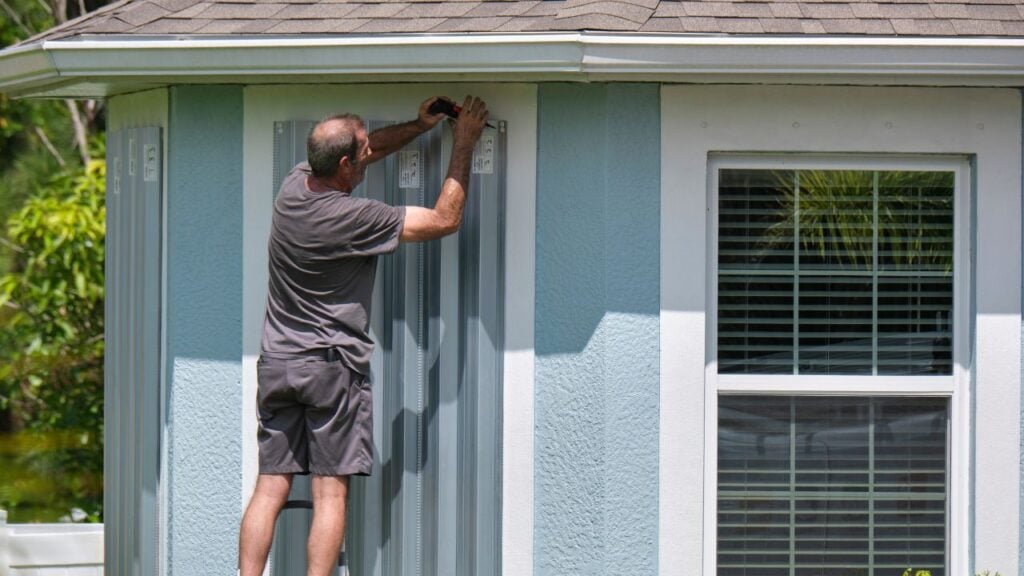
Florida retirees pay some of the highest insurance bills in the country, and many pay more than they need to.
The costliest mistakes hide in the paperwork, not the premium.
7 Insurance Traps Squeezing Florida Retirees
How Florida Hurricane Deductibles Work (and What They Cost You)
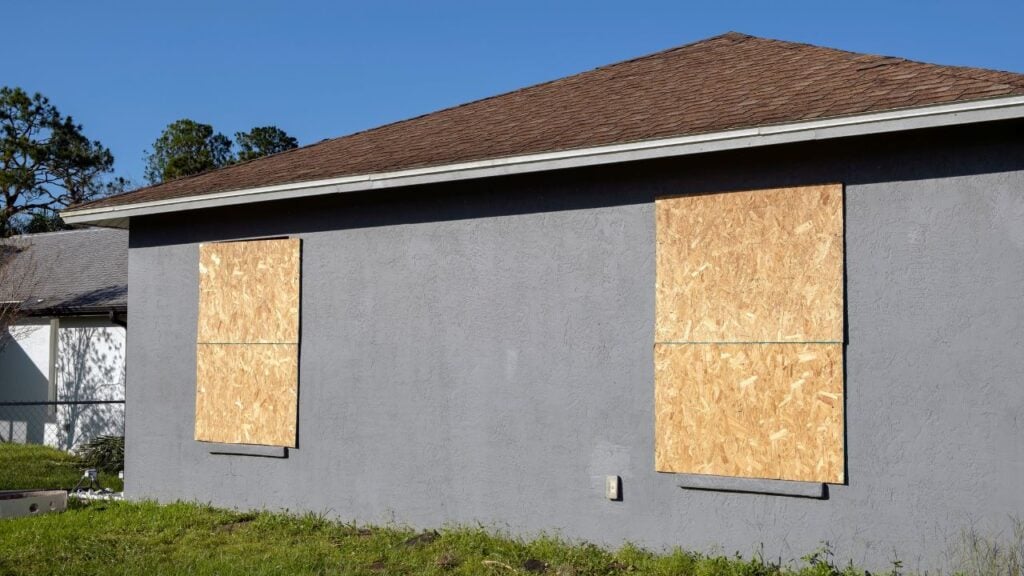
A Florida hurricane deductible isn’t the flat dollar amount you’re used to.
It’s a percentage of your home’s coverage, which means the bigger your policy, the more a single storm can cost you out of pocket.
How Florida Hurricane Deductibles Work (and What They Cost You)
