
7 Insurance Traps Squeezing Florida Retirees

Florida retirees pay some of the highest insurance bills in the country, and many pay more than they should.
But the costliest mistakes hide in the paperwork, not the premium.
These are the insurance traps that catch Florida retirees off guard.
Note: This is general information, not insurance advice. Coverage and terms are subject to change, so check the specifics with your insurer or agent.
1. Assuming Floods Are Covered
Florida retirees often assume their homeowners policy covers flooding, and it doesn’t.
Standard homeowners insurance leaves out flood damage, so rising water after a hurricane isn’t your insurer’s problem.
Not a dime.
You need a separate policy through the National Flood Insurance Program (NFIP) or a private flood insurer.
The federal program caps building coverage at $250,000 for a home and $100,000 for what’s inside it.
Much of Florida sits in flood-prone ground, from the Gulf beaches to inland counties along the St. Johns River.
A foot of water in a single-story house can ruin the floors, the drywall, and the kitchen cabinets.
Retirees who paid off the mortgage often drop flood coverage, since only lenders require it.
Skip it, and you cover the entire loss yourself.
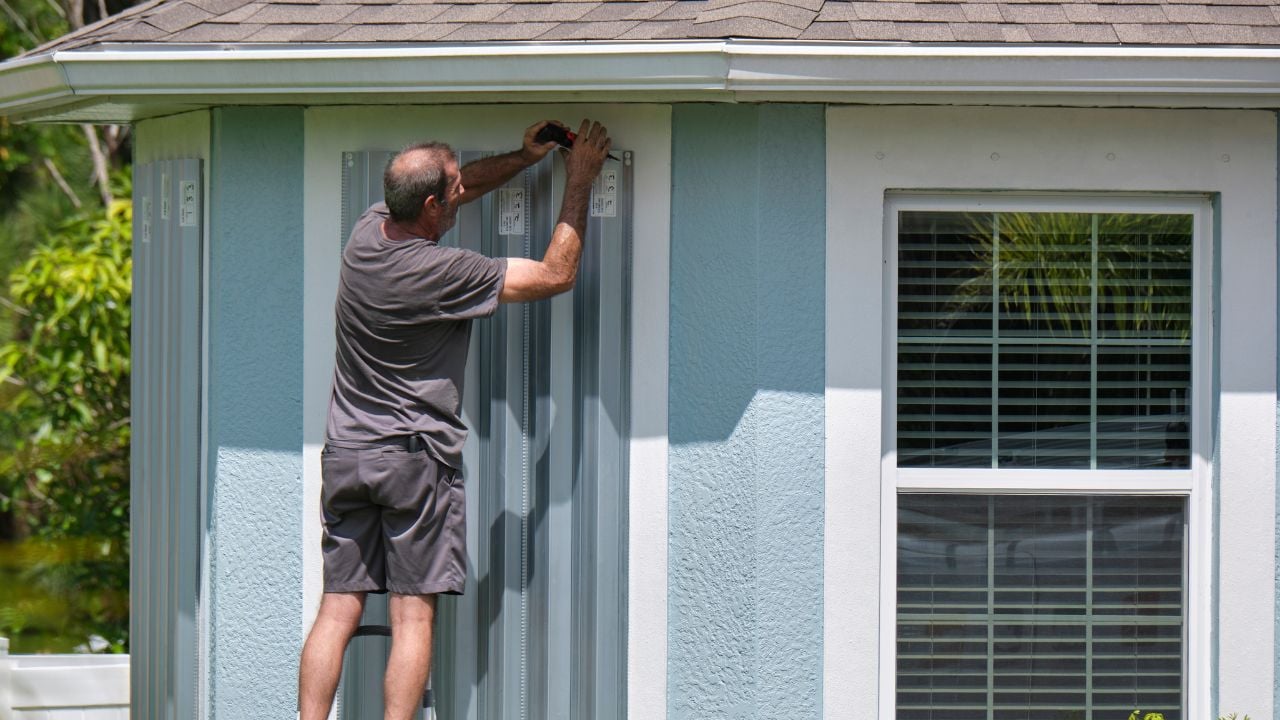
2. Skipping the Wind Discount
Florida retirees pay more than they need to when they skip a wind mitigation inspection.
That inspection checks features that help a home ride out a hurricane, like roof straps, a hip roof shape, and impact-rated windows.
State law requires insurers to give discounts for those features.
Ask for it.
The report runs a couple of hundred dollars, and the yearly savings can reach hundreds more.
Many retirees never order the inspection, so they pay the full rate for protection they already built into the house.
An older home with newer shutters and a reinforced roof can qualify for a healthy cut off the wind portion of the premium.
3. Ignoring Your Roof’s Age
A Florida retiree’s roof can make or break their homeowners coverage.
Insurers watch roof age closely because a failed roof means a big claim once a hurricane lands.
Here’s the part many retirees miss: state law says an insurer can’t refuse to write or renew a policy just because a roof is less than 15 years old.
For an older roof, you can pay for an inspection, and if it shows five or more years of life left, age alone can’t get you dropped.
You have options.
Retirees with a 20-year-old roof often assume they’re stuck, then never order the inspection that would keep the policy in force.
A new roof costs many thousands of dollars, so that one report can protect a retirement budget.
4. Guessing Your Rebuild Cost
Florida retirees often insure their home for what they could sell it for, not what it would cost to rebuild.
Those are two different numbers.
Market value includes the land, while replacement cost covers only the labor and materials to build the house again.
A home you’d list for $300,000 might cost $380,000 to rebuild after construction prices rose.
Insure for the sale price, and a total loss leaves you $80,000 short of a finished house.
That gap hurts.
Building costs rose across Florida after recent hurricanes, so a policy written five years ago may cover far too little today.
Ask your agent for a current replacement-cost estimate before you renew.
Psst! How much do you know about Florida insurance beyond the fine print? Take our quiz and see if you can ace it.
Quiz
Florida Insurance IQ
Test yourself on flood rules, hurricanes, and Florida coverage trivia. We bet you can’t get them all right. Prove us wrong?
In what year did the U.S. government create the National Flood Insurance Program?
5. The Percentage Deductible Shock
Florida retirees expect a flat deductible, then a hurricane claim shows them how the math works.
Most home policies carry a separate hurricane deductible set as a percentage of the home's insured value, not a flat $1,000.
Insurers offer options like 2%, 5%, or 10%.
On a home insured for $400,000, a 5% hurricane deductible means you pay the first $20,000 yourself.
Thousands, not hundreds.
That deductible applies once per calendar year, so a second named storm can still cost you through the regular deductible.
Retirees who picked the 10% option to lower the premium sometimes forget how large that bill gets after landfall.
6. Bare-Bones Car Coverage
Florida retirees who drive on the cheapest auto policy carry less protection than they think.
The state runs a no-fault system, so your own policy pays your injury costs first through personal injury protection (PIP).
Drivers there must carry just $10,000 in PIP.
It's rarely enough.
One ambulance ride and a short hospital stay can top $10,000 in a hurry.
Florida drivers already pay the highest car insurance rates of any state except Louisiana, so retirees trim coverage to save money.
Cutting your bodily injury liability too thin can leave your savings exposed after an at-fault crash.
7. The Medigap One-Way Door
Florida retirees on Medicare hit a trap when they choose between Medicare Advantage and a Medicare Supplement, known as Medigap.
During your first six months on Medicare Part B, you can buy any Medigap plan with no health questions asked.
Miss that window, and insurers in Florida can use medical underwriting to turn you down or charge more.
One way only.
Many retirees choose Medicare Advantage for the low premium, then try to move back to Medigap years later after a diagnosis.
Florida doesn't guarantee that switch, unlike a handful of states with year-round protections.
A cancer or heart history can shut you out of the plan you wanted.
Why the Bills Run High
Florida retirees pay the steepest home insurance in the nation, and the reasons stack up fast.
The average homeowners premium reached $7,136 a year, nearly triple the national average.
Blame the storms.
Hurricanes, coastal exposure, and years of claims lawsuits pushed many carriers to raise rates or leave Florida entirely.
That pressure is why Citizens Property Insurance, the state-run insurer of last resort, grew into the biggest insurer in Florida.
Homes near the Gulf and the Atlantic pay the highest rates of all.
Citizens has its own catch for retirees, too.
If a private company offers a comparable policy close to the Citizens price, state law makes you leave Citizens and take the private one.
9 Florida Homeowner Insurance Discounts You're Probably Not Getting
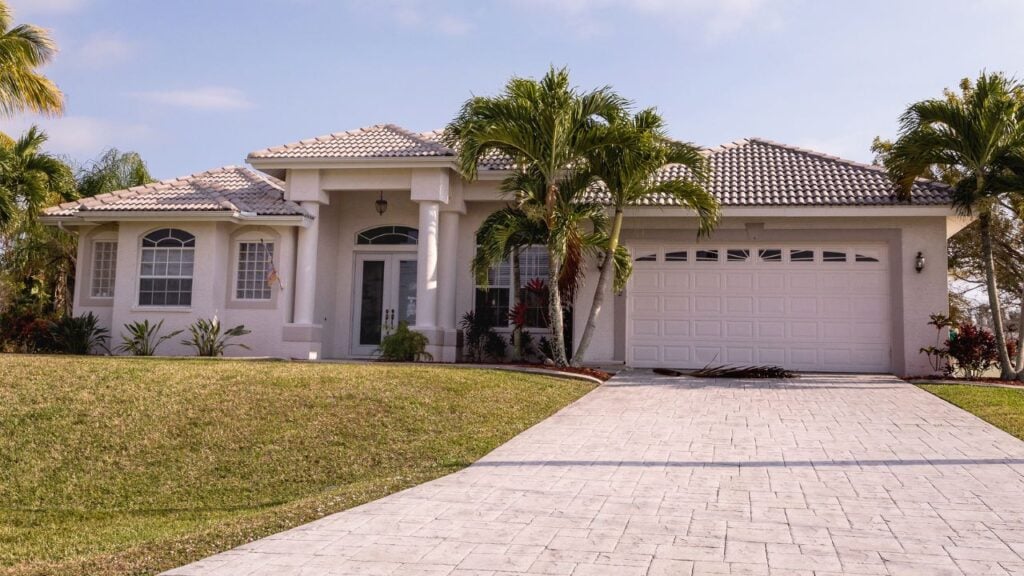
Florida homeowners pay steep premiums, yet many skip the discounts sitting right in their own policy.
From wind mitigation to bundling, the savings add up faster than most people expect.
9 Florida Homeowner Insurance Discounts You're Probably Not Getting
Why Is Florida Flood Insurance So Expensive in 2026?
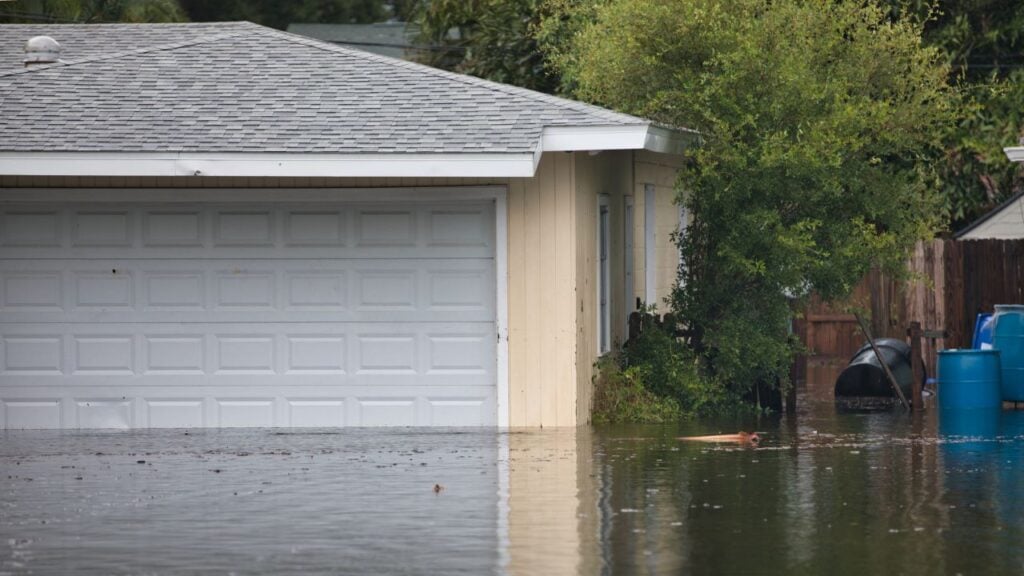
Flood insurance in Florida costs more than almost anywhere else, and the price keeps rising.
The reasons trace back to geography, federal rate changes, and years of costly storms.
