
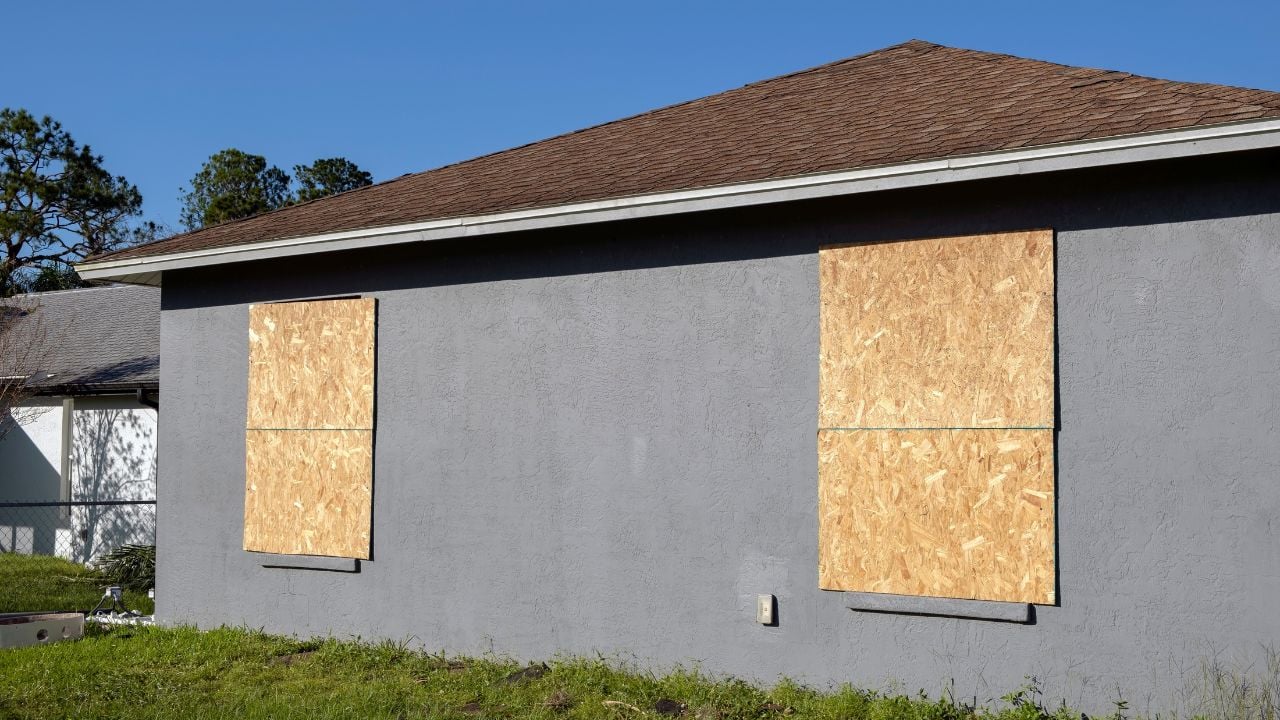
How Florida Hurricane Deductibles Work (and What They Cost You)

A Florida hurricane deductible isn’t a flat dollar amount like your regular deductible.
It’s a separate deductible set as a percentage of your home’s dwelling coverage, usually 2%, 5%, or 10%.
So the higher your Coverage A limit, the more that percentage costs you out of pocket after a storm.
On a home insured for $300,000, a 2% hurricane deductible comes to $6,000 before your insurer pays a dime.
That’s the number that catches Floridians off guard when the wind finally does its damage.
Here’s how the Florida hurricane deductible works, what triggers it, and what it costs you.
Note: This is general information, not insurance advice. Policies and triggers vary, so check your policy and confirm the details with your agent.
How Is the Florida Hurricane Deductible Calculated?
The Florida hurricane deductible runs off your dwelling coverage, the part of your policy that insurers call Coverage A.
You multiply that limit by your deductible percentage, and the answer is what you pay first.
Say your home carries $250,000 in dwelling coverage and a 5% hurricane deductible.
That’s $12,500 you cover before your insurer starts paying.
Florida law requires companies to offer options of $500, 2%, 5%, or 10% of your dwelling limit, though a $500 flat choice usually disappears once your home is insured for $250,000 or more.
Florida also requires the insurer to print the actual dollar amount of that deductible right on your declarations page, not just the percentage.
So the number is sitting there in black and white, if you know where to look.
One caveat catches homeowners with an inflation guard rider.
That rider raises your dwelling coverage over time to keep pace with building costs, and because the deductible is a percentage of that limit, your deductible rises right along with it.
The percentage looks small on paper.
The dollar figure behind it rarely feels that way.
When Does It Apply?
Your hurricane deductible only kicks in when the storm is officially a hurricane, not just a windy afternoon.
Florida ties the trigger to a hurricane declared by the National Hurricane Center of the National Weather Service.
The window opens the moment a hurricane warning goes out for any part of Florida.
It closes 72 hours after the last hurricane watch or warning for the state gets lifted.
Damage inside that window falls under your hurricane deductible.
Damage from a storm that never earns hurricane status draws your regular deductible instead.
The National Hurricane Center issues a hurricane watch about 48 hours out and a warning about 36 hours before the winds arrive.
So the deductible clock can start turning before the first band of rain reaches your street in Florida.
One more rule works in your favor here.
When the hurricane deductible applies, no other deductible on the policy can stack on top of it.
Hurricane vs. Windstorm Deductible
Floridians mix up the hurricane deductible and the windstorm deductible all the time, and the difference matters.
A hurricane deductible applies only during a named hurricane, inside that warning window set by the National Hurricane Center.
A windstorm or “all other perils” deductible covers wind damage the rest of the year, from a summer squall, a tornado, or a tropical storm that never reaches hurricane strength.
Both can appear on the same Florida policy.
The hurricane deductible almost always runs higher, since it’s a percentage rather than a flat sum.
Here’s a detail worth knowing about your roof.
Florida bars insurers from charging a separate roof deductible when the roof loss comes from a hurricane, so the hurricane deductible governs that repair instead.
What It Costs You
The Florida hurricane deductible costs more than newcomers expect, because it scales with your home’s value.
Walk through a home insured for $400,000, a common figure across Florida after years of rising values.
A 2% deductible costs you $8,000.
Bump that to 5%, and you owe $20,000 before your insurer pays anything.
Choose the 10% option to shave your premium, and the bill jumps to $40,000 out of your own pocket.
That trade sits at the heart of every Florida homeowner’s decision.
A higher percentage lowers your yearly premium, which stings less month to month.
But it hands you a much bigger bill on the worst day of the year.
Florida already carries the priciest home insurance in the country, so plenty of Floridians reach for the higher deductible just to keep the premium livable.
The catch shows up only after a hurricane, when the repair estimate lands and the deductible comes off the top.
Florida takes that surprise seriously enough to require a warning on the policy itself.
Any policy with a separate hurricane deductible has to carry a boldface line stating the deductible may lead to high out-of-pocket expenses.
If you want the fuller picture of why those premiums keep rising, our guide on why Florida homeowners insurance is so high breaks down the four costs stacked on every roof.
Psst! How much do you know about Florida hurricanes and insurance? Take our quiz and see if you can score 100%.
How to Lower It / Once-Per-Season Rule
You can lower your Florida hurricane deductible, but every choice trades one cost for another.
Picking 2% instead of 5% or 10% shrinks the out-of-pocket hit and raises your premium in exchange.
Hardening your home helps too.
Impact windows, a newer roof, and wind mitigation upgrades can earn credits that soften what a Florida policy costs.
Here’s the rule that saves Floridians thousands of dollars after a bad season.
The hurricane deductible applies once per calendar year, not once per storm, as long as you stay with the same insurer or another company in the same insurer group.
So if a second hurricane hits in the same year, you don’t pay the whole deductible twice.
The second storm draws only the balance left over, or your regular deductible, whichever is greater.
That’s why the state urges Floridians to file every claim, even when the repair costs less than the deductible.
Filing puts the credit on record, so the balance is ready if a second hurricane rolls through.
Between the deductible and the tax bill, owning a Florida home carries costs that surprise a lot of newcomers, and our look at why Florida property taxes feel so high covers the other line item on your escrow statement.
Frequently Asked Questions
These are the questions Florida homeowners ask most about the hurricane deductible.
Is a Florida hurricane deductible a percentage or a dollar amount?
It’s almost always a percentage of your dwelling coverage, commonly 2%, 5%, or 10%.
Your policy still lists it as a dollar figure, but that figure comes from the percentage times your Coverage A limit.
What triggers the hurricane deductible in Florida?
The storm has to be declared a hurricane by the National Hurricane Center.
The deductible applies from the hurricane warning until 72 hours after the last watch or warning for Florida is lifted.
Do I pay the hurricane deductible for every storm each year?
No, it applies once per calendar year if you stay with the same insurer or insurer group.
A second hurricane in the same year draws only the remaining balance or your standard deductible, whichever is greater.
Does the hurricane deductible cover flood damage?
No, hurricane coverage handles wind-driven damage, not flooding.
Storm surge and rising water need a separate flood insurance policy in Florida.
The smartest move is to read your own declarations page before the next warning goes up.
Find your dwelling coverage, find your hurricane percentage, and do the math now instead of during a claim.
Why Is Florida Homeowners Insurance So High?

Florida stacks four expensive problems on one roof, from hurricane exposure to costly reinsurance.
The average Florida policy hit the highest price in the country, and the jump keeps landing on your escrow statement.
Why Is Florida Homeowners Insurance So High? What’s Driving 2026 Rates
High Property Taxes

Your Florida property tax bill keeps climbing, even though the state’s rates sit near the middle of the pack.
Soaring home values, rising local millage, and that insurance bill all share the same escrow statement.
Why Are Florida Property Taxes So High? What 2026 Homeowners Should Know
