
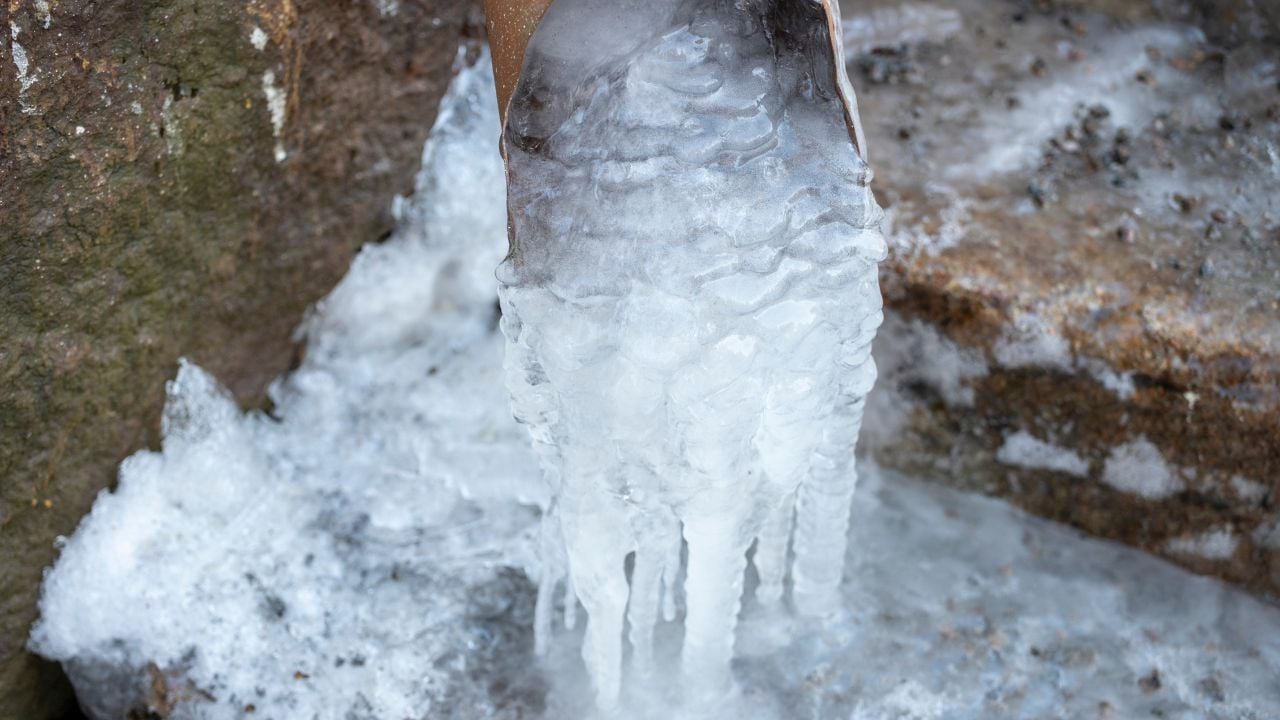
9 Frozen Pipe Mistakes Pennsylvania Homeowners Make Before a Hard Freeze

McKean County’s median first freeze lands around October 1, according to the National Weather Service’s State College office.
That’s a week out.
These are the frozen pipe mistakes Pennsylvania homeowners make before a hard freeze.
Note: This is general information, not insurance or plumbing advice. Confirm coverage questions with the Pennsylvania Insurance Department’s Consumer Help Center. Prevention and repair steps vary by property and plumber, so treat them as subject to change.
1. Leaving a Hose Connected
A garden hose left connected to an outdoor spigot all fall sets a homeowner up for the one mistake a frost-free faucet can’t survive.
The fixture works because its actual valve sits back inside the heated wall.
The exposed pipe is supposed to drain completely empty the second you shut the water off.
A hose left connected blocks that drain.
It has nowhere to go.
So it freezes right there, expanding inside the faucet body until the metal cracks from the inside, often weeks before anyone spots the leak.
State Farm’s winter checklist tells homeowners to disconnect every hose and drain outdoor lines before the first cold snap, not after the cold snap arrives.
2. Never Finding Your Shutoff Valve
Pennsylvania American Water’s winter checklist puts one job ahead of almost everything else: Find the main water shutoff valve, test it, and tag it.
That’s fall prep for a homeowner, not something to figure out after a pipe already burst.
Many Pennsylvania homeowners never get around to it.
A ball valve needs only a quarter turn to test.
A gate valve turns clockwise and should move smoothly, not grind or stick halfway.
Pennsylvania American Water tells customers to hang an ID tag on the valve so it’s easy to find in an emergency.
Testing means closing it fully, then checking a sink or two to confirm the water stopped.
It takes five minutes.
Skip that walk-through in the fall, and the only time you learn whether the valve even turns is with water already spreading across the floor.
Pennsylvania American Water alone serves about 2.4 million people who’d rather not learn that the hard way.
3. Skipping Insulation in Cold Corners
Homeowners often skip pipe insulation in the exact spaces where it matters.
Pennsylvania American Water names those spots on its winter checklist: Crawl spaces, unheated rooms, basements, garages, and any pipe running along an exterior wall.
Older homes across the state routinely run supply lines through every one of those spots at once.
That’s especially true in farmhouses and rowhomes built long before anyone worried about insulation codes.
Foam sleeves cost a few dollars a length.
It’s a cheap fix.
Heat tape works too, but it has to plug into an outlet with ground-fault circuit interrupter (GFCI) protection.
The Consumer Product Safety Commission warns that covering heat tape with insulation or letting it overlap itself is what turns it into a fire risk instead of a fix.
4. Turning the Heat Down
Dial the thermostat down before a trip to shave a few dollars off the heating bill, and a homeowner trades that savings for a much bigger risk.
Pennsylvania American Water and State Farm both draw the same line: 55 degrees, minimum, the whole time you’re gone.
That’s the whole rule.
Go lower than that, and interior pipes in an unoccupied house lose their cushion fast.
A freeze alarm under $100 calls a phone number the moment the house drops below 45 degrees, cheap insurance against a much bigger bill.
Nobody plans to come home to a flood.
What Voids a Pennsylvania Homeowner’s Freeze Coverage
Pennsylvania homeowners often assume freeze damage is covered no matter what, but many standard policies only pay out under one of two conditions.
The homeowner kept the house heated, or drained the plumbing and shut off the water once the heat wasn’t staying on.
Turn the heat off during a trip without draining a single pipe, and an insurer can point to that gap alone to deny the whole claim.
5. Leaving Your Rim Joists Unsealed
An older Pennsylvania home hides one of its biggest cold-air leaks in a place a homeowner rarely looks: The rim joist.
The rim joist is the band of wood where the basement wall meets the floor above it.
In a lot of older stone or block foundations, that joist is full of small gaps around cable lines, dryer vents, and pipe penetrations.
Cold air pours through year-round.
Plumbers working older housing stock in western Pennsylvania counties like Beaver, Butler, and Allegheny point to unsealed rim joists as a common source of a frozen basement pipe.
A working furnace one floor up doesn’t change that.
Sealing it is a caulk gun and an afternoon, not a renovation.
Psst! How freeze-ready is your Pennsylvania home? Run through this checklist and see where you stand.
6. Skipping the Faucet Drip
Moving water resists freezing far longer than water sitting still in a pipe.
Skipping the overnight drip is a bet many homeowners make without realizing the odds.
That’s why Pennsylvania American Water and State Farm both tell customers to let a small trickle run from faucets fed by exposed or vulnerable lines overnight.
A pencil-width stream is plenty.
The extra water on the utility bill runs a few cents, and it’s cheaper than a plumber’s emergency visit by a wide margin.
7. Leaving Your Camp’s Pipes Full
Homeowners who own a camp or lake cottage near Lake Wallenpaupack or in the Pocono foothills close it up for the season.
They leave the plumbing exactly as it was on Labor Day weekend.
That’s the mistake.
A seasonal property that sits unheated and full of water for months runs into the same freeze exclusion that applies to any home.
Coverage usually depends on the owner keeping the heat on, or draining the system and shutting off the water once it isn’t.
Draining a camp before the first hard freeze takes an afternoon.
Rebuilding a bathroom after a winter of nobody checking on it takes a lot longer.
8. Never Draining the Irrigation System
Pennsylvania American Water’s winter checklist names a fixture a lot of frozen-pipe advice skips entirely: The sprinkler or irrigation system.
The instructions are direct: Check the system, make sure it’s turned off, and drain it completely before the cold arrives.
That’s the whole job.
Underground irrigation lines hold standing water the same as any exposed pipe.
That water expands with the same force whether it’s sitting in a copper line or a plastic sprinkler head.
A cracked valve or sprinkler head often doesn’t show itself until spring.
The system switches back on for the season, and water sprays from a break nobody knew was there all winter.
Homeowners who remember to disconnect a garden hose in the fall often forget the buried lines feeding their sprinkler heads entirely.
It’s the same freeze, just underground.
9. Waiting for the Forecast
Wait for a freeze warning before disconnecting a hose or testing a valve, and a homeowner is already working from the wrong calendar.
The National Weather Service’s State College office puts the median first freeze around October 1 in the state’s northern tier, McKean County among them.
Southeastern counties like Lancaster don’t see it until closer to November 1.
That’s a fixed date, not a rough guess.
The window is short.
A hard freeze is 28 degrees or colder for a sustained stretch, per the National Weather Service, cold enough to kill outdoor plants.
The National Weather Service posts a frost advisory first, when temperatures are only expected to reach the mid-30s across a wide area.
The National Weather Service doesn’t call a hard freeze until the reading drops several degrees colder than that.
9 Pennsylvania Covered Bridges Locals Detour For That Maps Rarely Show
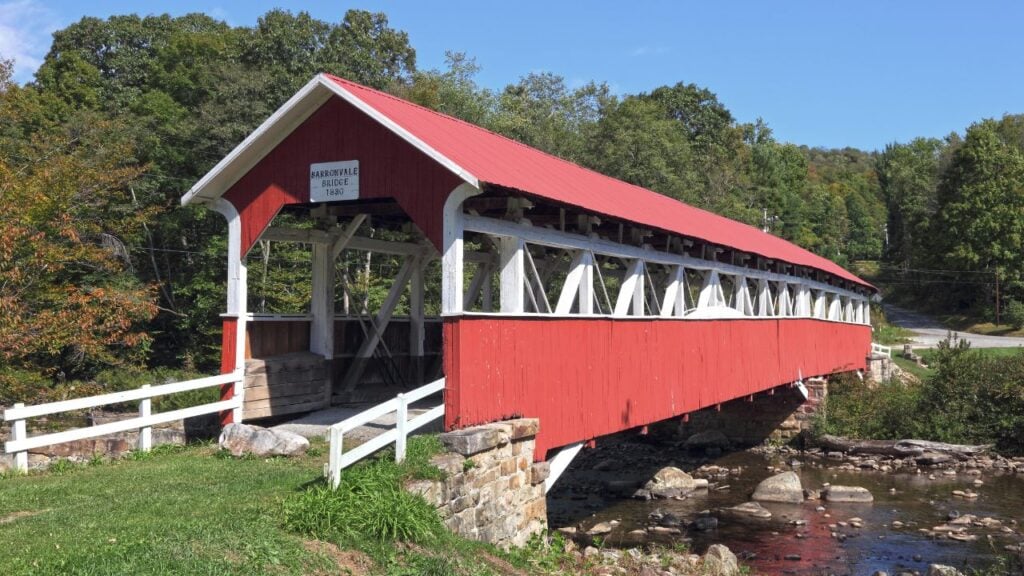
Many roundups of Pennsylvania’s best covered bridges circle back to the same five or six names every year.
Locals in Bedford, Somerset, and Perry County still detour for the bridges that never made those lists.
9 Pennsylvania Covered Bridges Locals Detour For That Maps Rarely Show
9 Pittsburgh Habits That Confuse the Rest of Pennsylvania
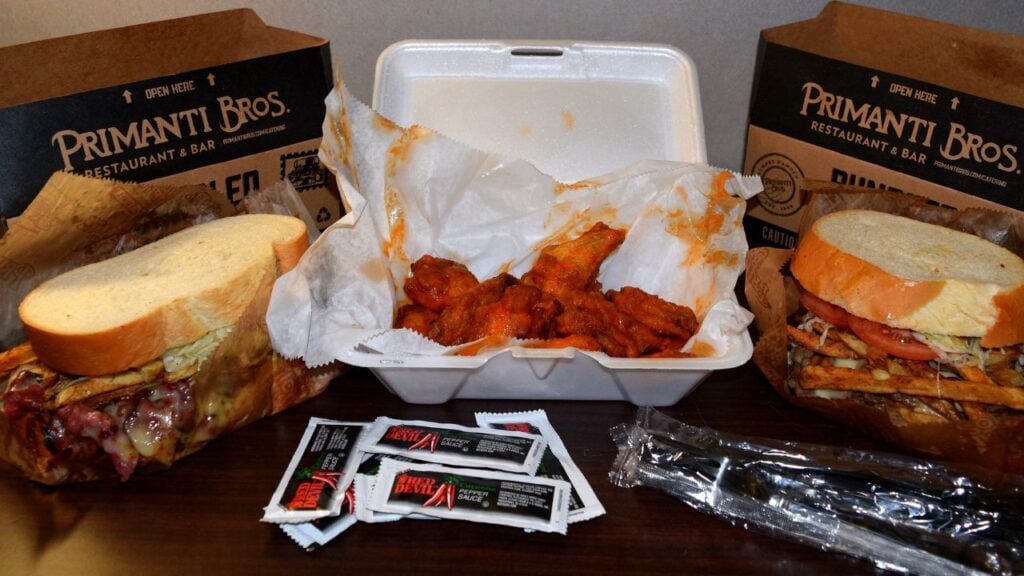
Ask a Philadelphian to repeat something a Pittsburgher just said, and watch the confusion set in.
Pittsburgh has words, grammar, and a way of sounding out a sentence that never made the trip east.
