

9 Illinois Dumpster-Diving Rules That Turn Trash Hunting Into a Costly Mistake

Under Illinois’ criminal code, cutting the padlock on a dumpster is a separate crime from trespassing.
That catches many people off guard.
These are the Illinois dumpster-diving rules that turn trash hunting into a costly mistake.
Note: This is general information, not legal advice. Trespassing, theft, and littering laws vary by location and are subject to change.
1. Landfill Scavenging Ban
Landfill security still treats a dumpster diver caught sorting through a working landfill as a trespasser, not a bargain hunter.
That’s because Illinois bans dumpster diving outright inside any of its licensed landfills.
State rules covering every sanitary landfill spell it out in plain terms: No scavenging operations of any kind.
The rule allows no exceptions.
It binds the landfill’s operator, not the person digging through the pile.
That’s the easy part.
A trespassing citation is the harder one, and Illinois builds that charge into a separate law.
2. Fenced or Posted Dumpsters
Illinois’ criminal trespass law reaches a dumpster diver the moment they cross a posted sign or ignore a direct order to leave.
A locked gate or a chain-link fence by itself isn’t what the statute counts as notice.
A sign at the main entrance counts as notice.
So does an owner or an employee telling someone to leave.
That’s enough on its own.
Retail stores, warehouses, and apartment complexes don’t just fence off their dumpster enclosures.
They post them too, and that’s what puts a trespasser on notice.
The posted sign already did the talking.
A dumpster diver who climbs a fence to reach a posted enclosure is trespassing the moment their feet land inside.
3. Cut Lock’s Separate Charge
State law charges a dumpster diver who forces their way into a locked enclosure with a second crime on top of trespassing.
Two crimes, not one.
Cutting a padlock or bending a fence panel to get inside counts as criminal damage to someone else’s property.
It doesn’t matter that the target was garbage.
The lock, the fence, and the gate all belong to the property owner, not to whatever sits inside the bin.
A dumpster diver can walk away with nothing and still face two separate charges for the same ten minutes.
A Dumpster Diver’s Two Misdemeanor Ceilings
A dumpster diver’s trespassing charge tops out as a Class B misdemeanor: Up to six months in jail and a $1,500 fine.
Damaging the lock or fence to get inside bumps that up to a Class A misdemeanor instead.
That’s nearly double the jail exposure and a thousand-dollar jump in the maximum fine.
Both charges can be filed against the same person for the same dumpster on the same night.
4. Someone Else’s Mail
A dumpster diver who picks up someone else’s discarded bills, statements, or tax paperwork and means to use them is already committing a felony.
The scam doesn’t have to happen first.
Illinois’ identity theft law makes it a crime to knowingly possess another person’s personal identifying information with the intent to use it fraudulently.
That intent is what the charge turns on.
Convicted under that charge, the penalty is a flat Class 3 felony, with no dollar-value ladder and no sliding scale based on what the documents could unlock.
A related part of the same law does scale the felony class by dollar value.
That version only applies once someone uses the information to obtain money, credit, or goods, so simply holding onto a stranger’s mail with intent doesn’t reach it.
Bank statements, pay stubs, and old medical bills all carry names, account numbers, and Social Security digits a dumpster diver has no legal use for.
Set that stack down.
5. Lisle’s Curbside Rule
A dumpster diver who’s cleared every hurdle in Illinois’ trespass law can still run into a tighter local rule.
The state lets individual towns tighten the rule even further.
The Chicago suburb of Lisle has done exactly that.
Village code makes it unlawful for anyone without a residential scavenger license to remove recyclables a household has already set out for pickup.
The bin doesn’t have to be locked up.
Curbside counts too.
Sitting at the curb on collection day is enough to put it under the village’s licensing rule, separate from anything the state’s trespass law covers.
Other Illinois suburbs run versions of the same setup, so a rule that’s fine one town over can still cost a dumpster diver a citation on the next block.
6. Getting Hurt on Someone’s Property
State law offers little protection to a dumpster diver who gets hurt digging through a bin on private land.
The state’s Premises Liability Act owes an adult trespasser only one duty: The owner has to refrain from willful and wanton conduct, not ordinary carelessness.
A rusted edge, broken glass, or an unstable pile can injure someone rummaging through it.
That almost never leads anywhere in court.
The property owner never had to fix it for a trespasser in the first place.
The medical bill still belongs to the dumpster diver.
7. Pharmacy Dumpsters and Old Pills
A dumpster diver who picks through a pharmacy’s trash runs into expired and returned medication constantly.
Taking any of it home can create a legal problem.
Walking away with a bottle of someone else’s leftover prescription can mean possessing a controlled substance without a valid prescription, but only when the drug itself qualifies as one under Illinois law.
Many ordinary prescriptions, like antibiotics or blood-pressure medication, don’t qualify.
The label doesn’t fix that.
For the drugs that do qualify, simple possession is a Class 4 felony under Illinois law, whether the pills came from a stranger’s medicine cabinet or a pharmacy’s back dumpster.
A dumpster diver who finds prescription bottles is looking at trash the state treats like evidence.
8. Leaving a Mess Behind
The state fines a dumpster diver who leaves a scattered mess behind, separate from anything to do with trespassing.
Torn-open bags count.
So does a pile of rejected items left sitting next to the dumpster instead of back inside it.
The Litter Control Act makes it illegal to drop, dump, or scatter waste on public or private property.
A property owner who calls the police over a messy dumpster often has an easier case than one arguing about who owns the trash to begin with.
This isn’t legal advice, just a fast gut-check on how many of these Illinois dumpster-diving rules already apply to what’s in front of you.
9. Condo Board’s Fine
A dumpster diver who lives in an Illinois condo or apartment answers to a second rulebook that has nothing to do with the state’s trespass law.
The board decides.
The Condominium Property Act lets a board levy a fine on any owner who breaks the association’s rules, after notice and a chance to be heard.
Community trash rooms and dumpster enclosures usually carry posted rules.
Sorting through a neighbor’s discarded furniture or fishing through the shared recycling bin can trigger a fine from the board itself, no police report required.
Renters aren’t off the hook either.
A lease that spells out the building’s trash-room rules gives a landlord a paper trail when neighbors keep reporting a dumpster-diving tenant.
8 Illinois Toll Mistakes That Turn Into a Suspended Registration
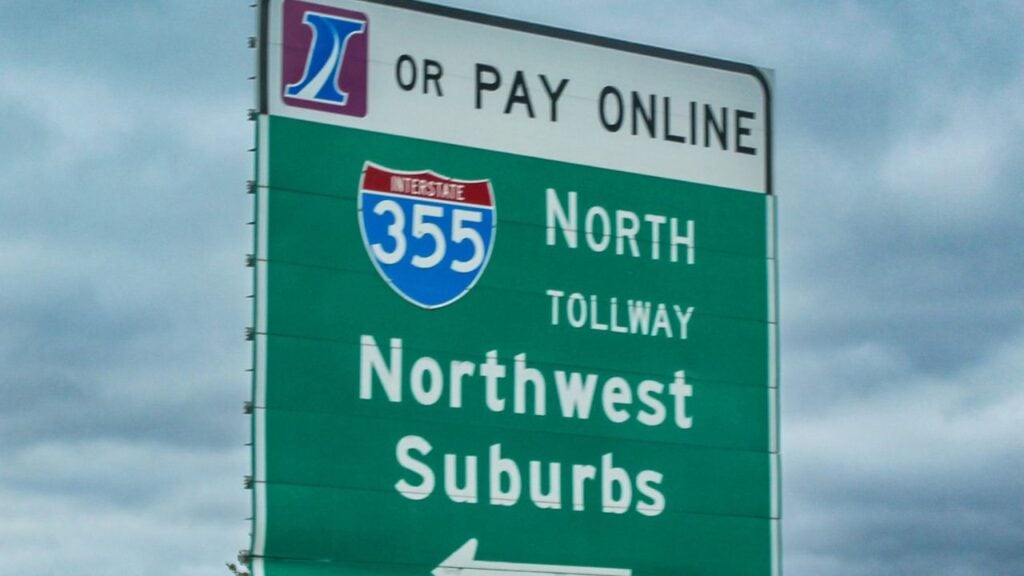
An unpaid toll on the Illinois Tollway starts as a few dollars and rises to a $20 fine within about four months.
Enough of those, and Illinois comes for a driver’s registration next.
8 Illinois Toll Mistakes That Turn Into a Suspended Registration
5 School Zone Mistakes That Cost Illinois Drivers a Ticket

Illinois treats a crossing guard’s raised stop paddle as a lawful traffic order, backed by a mandatory fine.
A handful of ordinary school-zone habits carry a bigger price tag than many Illinois drivers expect.
