
9 Insurance Gaps Florida Homeowners Discover After a Storm Has Passed

Insurers closed nearly half of the more than 329,000 hurricane claims Floridians filed after Helene and Milton without paying a dollar.
Some of that was damage a standard policy was never going to cover.
A lot of it was fine print nobody walked a homeowner through before they signed.
These are the insurance gaps Florida homeowners discover after a storm has passed.
Note: This is general information, not insurance advice. Coverage and terms are subject to change, so check the specifics with your insurer or agent.
1. Storm Surge Isn’t Wind Damage
A standard Florida homeowners policy pays for wind damage from a hurricane, not the water a hurricane pushes ashore.
Insurers are supposed to separate the two and still pay the wind-caused share, even when the same storm delivers both kinds of damage to the same wall.
The flood share is a different story.
One word erases the claim.
Storm surge counts as flood, and flood is a separate policy altogether, usually purchased through the National Flood Insurance Program (NFIP) or a private flood carrier.
After Hurricanes Helene and Milton hit Florida in 2024, insurers denied more than 49,000 claims, and flood damage without separate coverage was a common reason why.
Not because adjusters doubted the damage.
Because the water that ruined a living room floor legally isn’t the same peril as the wind that tore off a few shingles.
A denial letter naming that exact distinction is often the first time a homeowner in a flood-prone county hears it.
2. Your Deductible Is a Percentage
Florida’s hurricane deductible isn’t a flat dollar figure like a typical homeowners deductible.
State law lets insurers set it at 2%, 5%, or 10% of a home’s dwelling coverage limit, known as Coverage A, rather than a set dollar amount.
On a $350,000 home with a 5% deductible, that’s $17,500 due before the insurer pays a cent.
The damage doesn’t factor in.
A homeowner whose roof repair comes in at $15,000 gets zero from the insurer because the bill never crossed that $17,500 line.
Many Florida homeowners only run these numbers after the contractor’s estimate shows up.
Florida’s Deductible Rule Runs by Calendar Year
Florida’s hurricane deductible applies once per calendar year, not once per storm.
A homeowner who shops for a new insurer with a lower hurricane deductible right after a storm might expect that lower number to apply to the next storm the same season.
State law says otherwise.
If the new policy’s hurricane deductible is lower than the one already in place, the insurer has to tell the homeowner in writing that the lower deductible doesn’t take effect until January 1 of the following year.
The higher deductible from the old policy carries through the rest of that hurricane season.
3. Your Aging Roof Pays Less
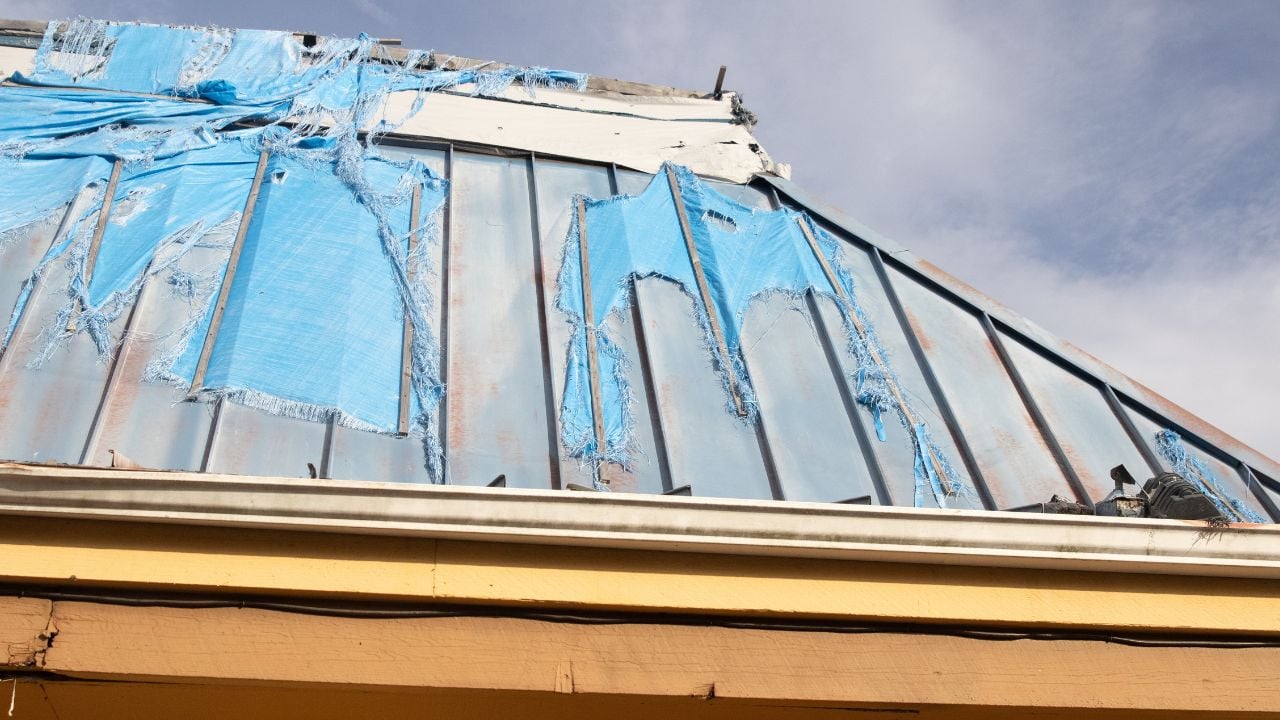
Florida homeowners insurance can treat an aging roof differently once it crosses an age threshold written into the policy’s own endorsements.
Florida’s insurance regulator has approved roof-surface payment schedules that pay a shrinking percentage of replacement cost as a roof ages, no matter what “replacement cost” prints on the declarations page.
A typical schedule pays close to full value on a new roof, then a few percentage points less every year that follows.
A common asphalt-shingle schedule pays around 60% of the replacement estimate by year 10, and closer to 40% by year 15.
So a $20,000 roof replacement can settle for around $12,000, before the deductible even comes off.
That’s thousands short.
The word “replacement” on the declarations page doesn’t guarantee a full replacement-cost check once the roof has aged past the schedule’s cutoff.
A contractor’s $20,000 estimate and a $12,000 insurance check rarely match, and the schedule buried in the endorsement is why.
4. Roof Matching Hits a Cap
Florida’s matching law is supposed to protect a homeowner from ending up with a two-tone roof after a partial repair.
The statute requires an insurer to make reasonable repairs so replaced materials match the untouched parts of a home, when a reasonable match is possible.
But insurers that filed a matching limitation endorsement approved by the state in 2022 can cap that matching obligation at just 1% of the dwelling coverage limit.
On a $300,000 policy, that’s $3,000 to blend faded or discontinued shingles into the rest of the roof.
It’s not enough.
A full re-roof to fix a visible mismatch commonly runs well into five figures, leaving thousands beyond that $3,000 ceiling for the homeowner to cover.
5. Screened Cages Go Uncovered
A screened pool cage or lanai often isn’t covered the same way as the rest of a Florida home.
Florida’s own insurance consumer advocate confirms that many carriers, including Citizens Property Insurance Corporation, the state-backed insurer, exclude or sharply limit coverage for aluminum-framed screen enclosures, carports, and similar structures.
Homeowners can buy a separate endorsement, and the state’s guide lists options starting around $10,000 and running to $50,000 or higher.
Skip that endorsement, and a storm-flattened cage can settle for close to nothing.
The cage looks like part of the house.
Not according to the policy.
On the declarations page, it’s often treated as though it were never attached at all.
Florida homeowners usually find this out only once an adjuster walks the yard and writes “$0” next to the enclosure.
Psst! How much do you know about Florida homeowners insurance once a storm hits? Flip through these myth-or-fact cards and see how many you get right.
6. Rebuilding to Code Has Limits
Florida homeowners insurance often assumes a rebuild follows the code a builder used originally, not the current one.
When a home needs new wiring, hurricane straps, or elevation work just to meet today’s building code, that upgrade cost falls under ordinance-or-law coverage, and it’s not automatic.
Unless a homeowner has signed a written refusal or picked a different option, state law defaults every policy into ordinance-or-law coverage capped at just 25% of the dwelling limit.
That’s just 25%.
On a $300,000 home, that’s $75,000 for every code upgrade the rebuild requires.
Storm-damaged homes that need extensive code work can blow past that number fast, especially near the coast where wind-mitigation standards run stricter.
A 50% ordinance-or-law option exists, but it has to be requested in writing.
The default coverage never changes on its own.
7. Mold Hits a Hard Ceiling
Mold behind the drywall of a Florida home runs into its own coverage limit after a storm, separate from the water damage that caused it.
The same state consumer guide that flags the screened-enclosure gap also shows a standard homeowners policy caps mold-damage payouts at around $10,000 per occurrence, and homeowners typically need a separate endorsement just to raise that number to $25,000 or $50,000.
That endorsement is optional.
A covered, storm-driven leak can pay out in full for the water damage itself and still leave the mold remediation bill mostly uncovered.
Remediation costs for a moderate mold job can easily run past $30,000.
Homeowners without the endorsement often don’t do that math until the remediation invoice lands on top of the $10,000 limit.
The water-damage check clears.
The mold invoice doesn’t.
8. Temporary Housing Money Runs Out
A Florida homeowners policy pays for a hotel or rental while a contractor rebuilds a storm-damaged house, but that money runs on its own separate limit too.
Additional living expense coverage, sometimes labeled Coverage D, commonly runs 20% to 30% of a home’s dwelling limit.
On a $300,000 home, a 20% limit is $60,000 for hotels, rent, and extra meals while the house is unlivable.
That sounds generous, until a major rebuild runs past a year.
Not forever.
Some policies also cap the payout period itself, often around 12 months, regardless of how much dollar coverage remains.
A rebuild that drags past that 12-month mark leaves a family paying rent and a mortgage at the same time.
9. Flood Coverage Comes Too Late
A Florida homeowner who files an NFIP flood claim after a storm can get back a denial that has nothing to do with the damage.
National Flood Insurance Program (NFIP) policies carry a mandatory 30-day waiting period between the purchase date and the date coverage takes effect.
A homeowner who bought flood coverage a few weeks before a storm formed can file a claim once the water recedes, and the insurer can still deny it.
The storm made landfall before that 30-day clock finished running.
The denial letter comes down to one date.
Not the damage.
The purchase date.
The policy existed and the premium was paid, but neither one matters if the waiting period hadn’t finished when the water rose.
A policy tied to a new mortgage skips the waiting period, but that exception doesn’t help a homeowner who bought coverage mid-season on their own.
The clock is usually the whole dispute in these denials, not the coverage.
9 Florida Restaurants That Have Been Open Since Before Disney
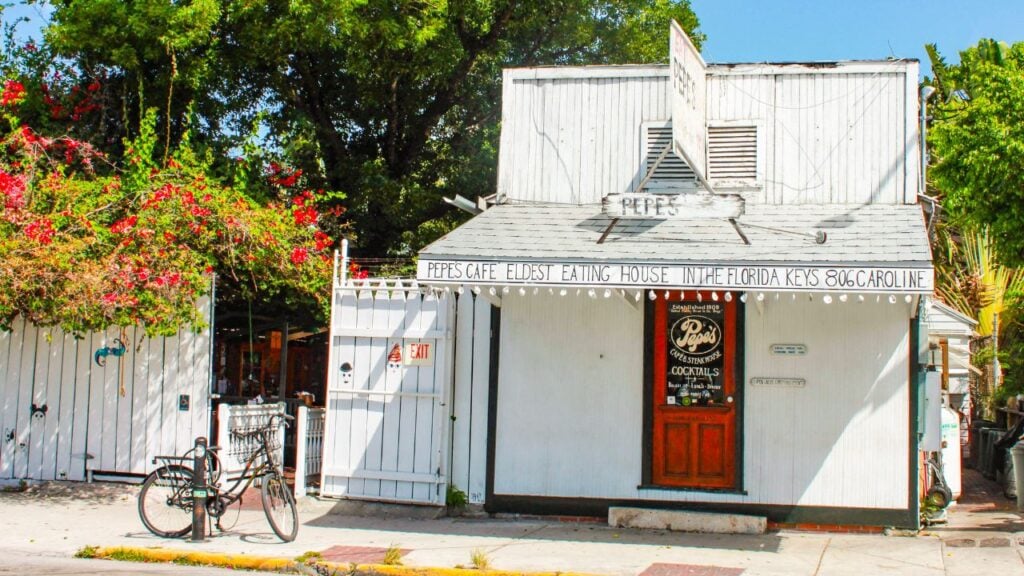
Walt Disney World didn’t open until 1971, and many Florida kitchens were already decades into their run by then.
One Orlando sandwich shop had regulars lined up for lunch three years before Cinderella Castle ever went up.
9 Florida Restaurants That Have Been Open Since Before Disney
10 Florida Wildlife Rules People Break Just by “Being Friendly”
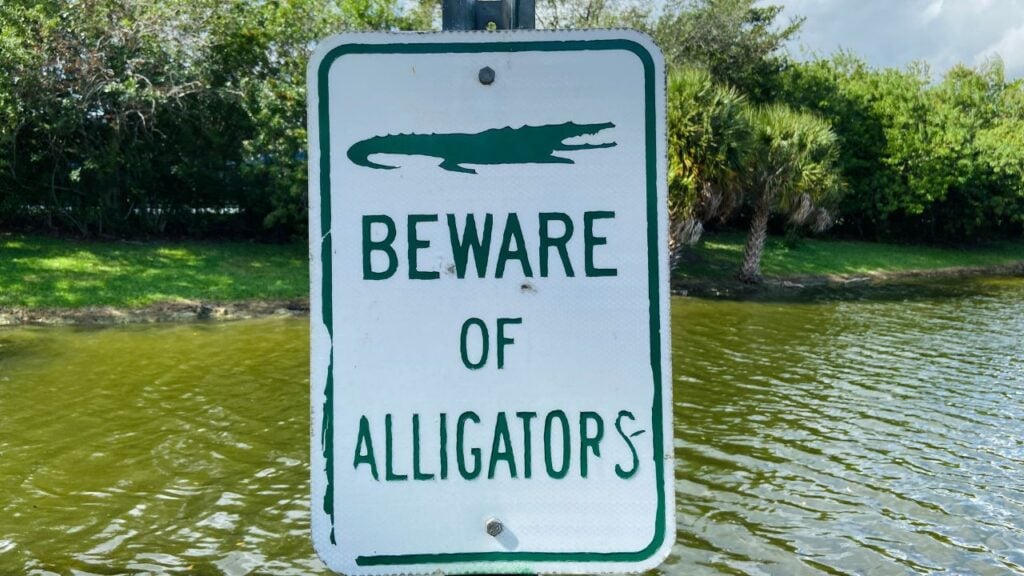
A tourist who stepped on a sea turtle nest in Miami Beach walked away with a felony charge and a $5,000 bond.
Many people who run into trouble with Florida’s wildlife rules are only trying to help, pet, or snap a good photo.
10 Florida Wildlife Rules People Break Just by “Being Friendly”
