
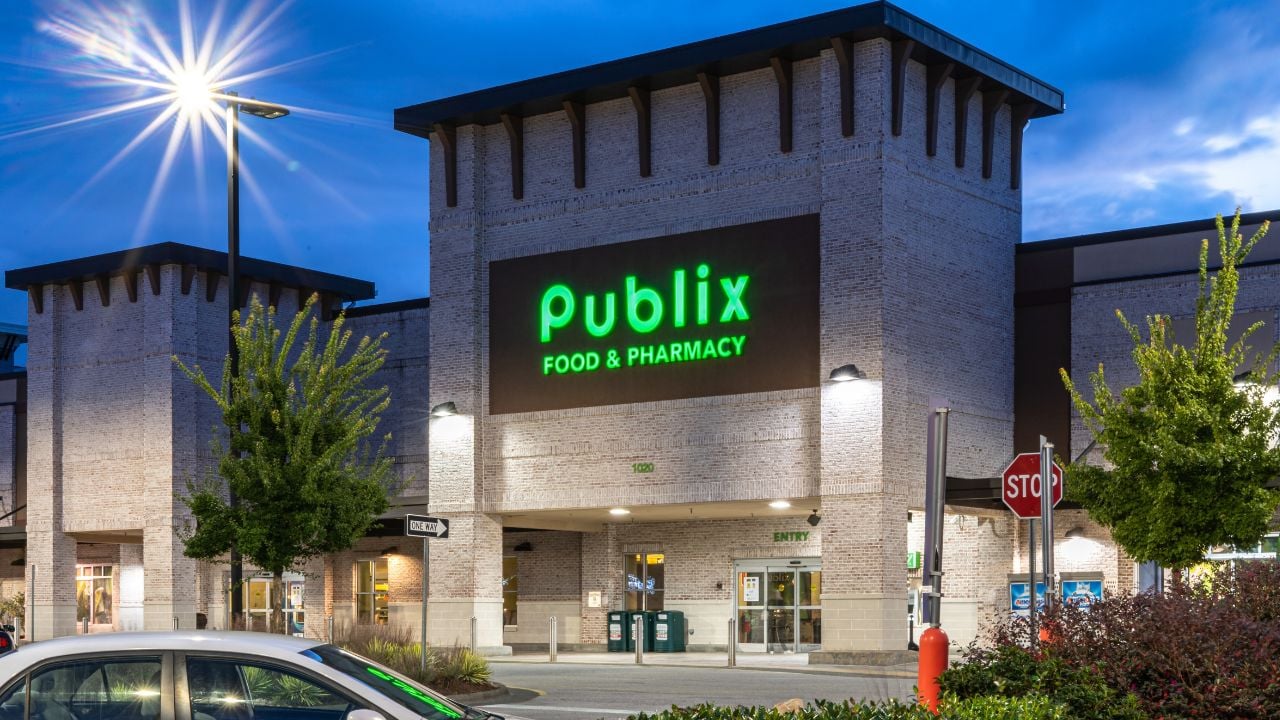
9 Mistakes That Make Your Publix Bill Higher in North Carolina

A Charlotte shopper grabs two rotisserie chickens off the hot bar, sure the tax works the same as it does on a bag of frozen peas.
It doesn’t.
North Carolina taxes that same chicken differently depending on whether it comes hot off the bar or cold from the case, and that’s just one of the ways this state’s Publix rules trip up its own shoppers.
These are the mistakes that leave North Carolina Publix shoppers paying more than they have to.
Note: This is general information about Publix pricing and North Carolina sales tax, not financial advice. Prices, deals, and tax rates are subject to change.
1. Letting Your Digital Coupons Sit Unclipped
Club Publix is free to join, and that’s where the weekly savings live.
The catch is that none of it applies on its own.
You have to open the app or the website, tap Savings, then Digital Coupons, and clip each coupon before you ever push a cart down an aisle.
Skip that step, then enter your phone number at checkout, and the coupon simply isn’t there to apply.
Nothing happens automatically.
A shopper who clips ten coupons before a Saturday trip walks out with savings that show up right on the receipt.
The shopper who scans their phone cold gets none of it, on the exact same cart of groceries.
2. Buying Two When North Carolina Only Needs One
Publix runs its buy-one-get-one deals differently depending on the state. Luckily for North Carolinians, Publix stores don’t operate as they do in Florida.
Florida makes you buy two items to unlock a BOGO discount.
North Carolina doesn’t.
Grab a single BOGO item at a North Carolina Publix, and it rings up at half price on its own, no second item required.
A shopper who learned the Florida version on a family trip, or picked up the habit from a friend who shops there, ends up buying two of everything out of reflex.
That’s a cart full of duplicate salad dressing and cereal nobody asked for.
Grab just the item you need, and let the register do the rest.
3. Mixing up a Multi-Buy With a BOGO
Not every orange tag on a Publix shelf is a BOGO.
Some are multi-buy deals, the kind that reads “buy four, save $5,” and those work on a different rule entirely.
A North Carolina BOGO lets you buy just the one item and still get your half off.
A multi-buy deal doesn’t work that way at all.
Grab two cans when the tag calls for four, and you pay full price for every can, with no partial discount for coming up short.
That’s a costly gap.
Read the shelf tag before you toss anything in the cart.
The two promotions look almost identical at a glance, and only one of them forgives you for buying less.
4. Walking Away Without a Rain Check
An empty shelf where the week’s best BOGO should be sitting isn’t the end of that deal.
Publix issues rain checks on sale items the store has run out of, including BOGOs, and many shoppers never ask for a rain check.
Stop at the service desk instead, and a clerk writes down the deal price for you to come back for.
The window to use it isn’t unlimited, and Publix caps how many you can claim per item, so don’t sit on it for months.
Most shoppers just grab the full-price substitute and move on.
That’s free money, left behind.
That shrug costs money over a year of Saturday trips.
5. Not Watching Your Own Receipt
Publix backs its shelf prices with a guarantee most shoppers have never used.
Scan an item at checkout for more than the shelf tag or the weekly ad promised, and the Publix Promise hands you that item free.
No manager conversation needed.
The catch is that nobody checks it for you.
You have to glance at the register screen or the receipt while you’re still standing there, catch the mismatch, and speak up before you walk out.
Weighted items like meat and produce are where pricing errors happen most, since a mislabeled weight can inflate the total on something you never think to double-check.
Walk out first, and the mistake becomes yours to keep.
Psst! You know your way around a Publix, but how well do you know Publix? Take our quiz and see if you can ace it.
Quiz
Publix Pop Quiz
Answer these questions on Publix and its history. We bet you can’t get them all right. Prove us wrong?
Publix opened its very first North Carolina store in 2014, in which Charlotte neighborhood?
6. Shopping on the Wrong Side of the Ad Flip
The Publix weekly ad runs on a fixed cycle, and timing your trip around it is half of saving anything.
Many North Carolina stores flip their ad on Wednesday, though some run on a Thursday cycle instead, so the exact day depends on your location.
Shop the evening before the flip, and you're often paying prices about to expire while a fresh set of BOGOs sits one day away.
Bad timing.
Shop the flip day itself, or the morning after, and the new deals are stocked, with the shelves not yet picked over by everyone else who read the ad first.
Check your store's own cycle in the app before you build a grocery list around a sale that already ended.
7. Treating Hot Deli Food Like Cold Groceries
North Carolina doesn't charge its state sales tax on groceries, only a reduced 2% local rate on qualifying food.
A rotisserie chicken pulled hot off the Publix deli case doesn't count as qualifying food.
Hot means taxed higher.
It's prepared food once it's heated by the store, so North Carolina taxes it at the full combined state and local rate, the same rate restaurants charge on a meal.
That gap just got wider in Charlotte.
Mecklenburg County's combined sales tax rate rose to 8.25% on July 1, so a hot rotisserie chicken and a side of mac and cheese from the Publix hot bar now carry a higher tax there than the cold groceries sitting in the same cart.
Grab the chicken cold from the case instead of hot off the bar, and that item qualifies for the lower grocery rate.
8. Grabbing the Wrong Size for a BOGO
A BOGO tag on the shelf doesn't always cover every size of that product.
Publix often limits the deal to certain sizes or certain varieties within a product line, and the fine print on the shelf tag is where that lives.
Reach for the family-size jar out of habit, assuming the smaller size's discount carries over, and it might not.
Expensive assumption.
You find out at checkout, when that jar rings up at full price next to the item that qualified.
Read the tag, not just the color of it.
Some BOGOs do allow you to mix flavors or sizes within the same line, so the fine print can work in your favor too, if you stop to read it.
9. Defaulting to the Store Brand Out of Habit
Publix's own brand isn't automatically the cheaper choice every week.
Habit isn't strategy.
Reaching for the green-and-white package out of habit skips past whatever the week's ad is doing.
A national brand of coffee or canned tomatoes running a North Carolina BOGO that week can land cheaper per unit than the Publix or GreenWise version sitting one shelf over.
The only way to know is to check both prices before either product goes in the cart.
Some weeks the store brand wins outright, and other weeks a name brand on BOGO beats it by a wide margin, so the habit of grabbing whatever's familiar can cost you either way.
A can of GreenWise tomatoes sitting next to that week's BOGO name brand can run cheaper per ounce, or pricier, and only the shelf tag says which.
8 Food Lion Mistakes North Carolina Shoppers Make Every Week
The cashier at your Food Lion asks for your phone number, punches in your MVP loyalty card, and hands you a receipt with a "you saved" line printed at the bottom.
You feel like a winner. You shouldn't.
8 Food Lion Mistakes North Carolina Shoppers Make Every Week
Two Truths and a Lie About North Carolina Barbecue: Can You Spot the Fib?
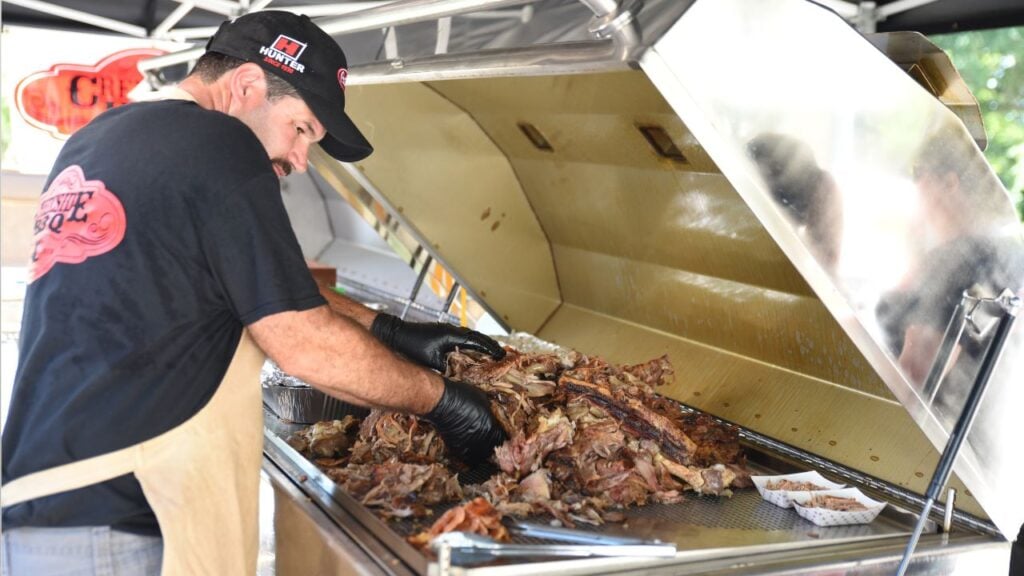
North Carolina has been fighting over barbecue longer than most states have existed.
That fight still splits the state today, vinegar on one side and a ketchup-tinted dip on the other.
Two Truths and a Lie About North Carolina Barbecue: Can You Spot the Fib?
