
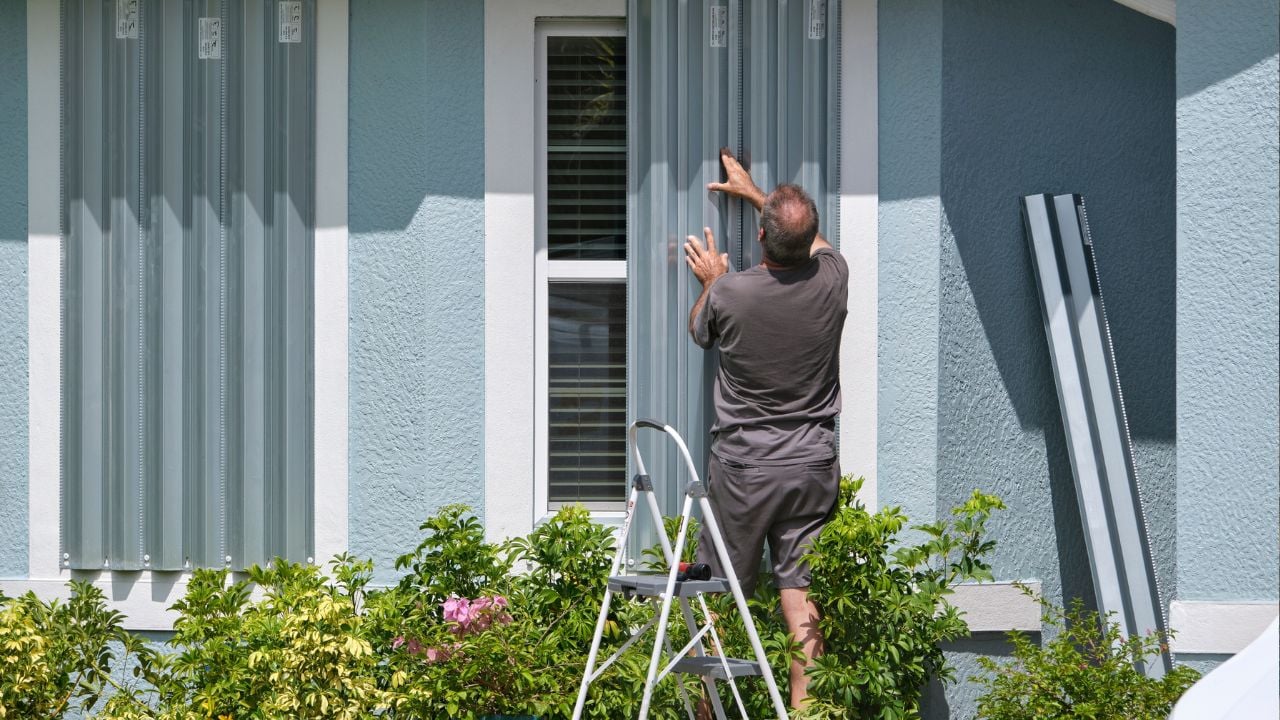
9 Money Mistakes Florida Homeowners Make Every Hurricane Season

A homeowner in Punta Gorda calls her insurance company eleven months after landfall, the week her contractor finally has an opening.
She’s four weeks from losing the claim.
Florida gives you one year from the day a hurricane comes ashore to put your insurer on notice, and a contractor’s calendar has nothing to do with it.
These are the money mistakes Florida homeowners make every hurricane season. Most of them come down to a date.
Note: This is general information, not insurance, tax, or financial advice. Coverage terms, claim deadlines, and dollar amounts are subject to change, so confirm the current details with your insurer.
1. Waiting for a Named Storm
Every hurricane season, you lose the ability to change your insurance policy days before the storm ever arrives.
Once the National Hurricane Center puts a tropical storm or hurricane watch over any part of Florida, many insurers stop writing new coverage.
That means no new policies, no higher limits, and no last-minute additions to what you already have.
Citizens Property Insurance suspended binding on July 19 this year and lifted it three days later.
Citizens applies that freeze to the whole state, whatever corner of Florida the watch covers.
A homeowner in Cape Coral who waits until the cone points at the Gulf coast to raise a $300,000 dwelling limit can’t find anyone who’ll do it.
They waited too long.
Whatever the rebuild costs above that limit, they pay themselves.
Call your agent in May, while somebody can still change the numbers on your policy.
2. Not Filing Your Small Claim
Your hurricane deductible isn’t a flat number like the deductible on a kitchen fire.
On most Florida policies, it’s a percentage of your dwelling limit, written at 2, 5, or 10 percent.
On a house insured for $400,000, a 2 percent hurricane deductible means you pay the first $8,000 of storm damage yourself.
Here’s the part almost nobody uses: That deductible applies once per calendar year, not once per storm.
So a first storm that does $3,000 in damage and never reaches your insurer is $3,000 of credit you never collected.
File it anyway.
The Department of Financial Services tells policyholders to report windstorm damage even when the repair costs less than the deductible because reporting it is how your insurer records the credit toward the next claim.
Three hurricanes came ashore in Florida in 2024, so a second storm in one year isn’t a stretch.
3. Switching Insurers Midseason
Your insurance company tracks that calendar-year credit, and your next insurance company won’t.
Move your policy to a carrier outside your current insurer’s group after a storm, and you can’t take the credit with you.
The new company applies the full hurricane deductible to your next claim, with nothing knocked off for what you already paid.
You start over at zero.
A September quote that saves you $600 a year can cost you the whole $8,000 again in October, which is the kind of math nobody runs while a renewal offer is sitting on the counter.
Staying inside the same insurer group keeps the credit, which is why the group matters more than the company name printed on your bill.
Ask your agent which group the cheaper carrier belongs to before you sign anything.
4. Settling for the 25 Percent Default
Law and ordinance coverage is the part of a hurricane rebuild that pays for today’s building code instead of the code your house went up under.
Tear off a damaged roof in Bradenton, and the inspector may want tie-down straps, a secondary water barrier, and hardware nobody sold when that house was framed.
Florida law treats every homeowner’s policy as carrying that coverage at 25 percent of your dwelling limit unless you sign a form choosing otherwise.
Insurers have to offer 50 percent.
Almost nobody asks.
On that same $400,000 dwelling limit, the gap between the two choices is $100,000 of code upgrades.
One caveat: The coverage applies only to the damaged portion of the structure unless the total damage passes half your home’s replacement cost.
5. Assuming Flood Insurance Covers Rent
A National Flood Insurance Program (NFIP) policy pays for your building and the belongings inside it, and that’s the end of the list.
It doesn’t pay additional living expenses, which is the industry term for the rental, the hotel, and the restaurant meals you’re covering while a crew dries out your floors.
Not one night.
Building coverage caps at $250,000 and contents at $100,000, you buy them separately, and each carries its own deductible.
A family out of a Gulfport house for four months pays that rent out of pocket unless they bought a private flood policy that includes the coverage.
Timing is the other trap, since a new National Flood Insurance Program policy usually takes 30 days to take effect.
Buy it in August, and the coverage starts in September.
Psst! How much do you know about Florida’s storm history? Take our quiz and see if you can ace it.
Quiz
Florida Storm History IQ
Answer these questions on Florida’s hurricanes, storm names, and insurance history. We bet you can’t get them all right. Prove us wrong?
Florida once went a record stretch with no hurricane landfall at all, until Hermine ended it in 2016. How long was the streak?
6. Cashing Your First Check
The first insurance check after a hurricane is rarely the whole payment.
On a replacement cost policy, Florida law lets your insurer pay actual cash value up front, meaning replacement cost minus depreciation, then release the rest as the repairs get done.
Insurers call that held-back money recoverable depreciation.
Say a new roof runs $30,000 and the adjuster depreciates the old roof by $9,000.
You get $21,000 now, and the $9,000 comes once you've finished the work and sent in the invoices.
Skip the paperwork, and your insurer keeps the $9,000.
Homeowners who take the first payment, patch things themselves, and never send a receipt leave that balance behind after every storm.
Few get a reminder.
7. Handing Over a Big Deposit
The week after a hurricane, somebody parks a truck with an out-of-county tag in your driveway and the pitch is always the same: A deposit today buys you a spot on the schedule.
Florida law puts the threshold at 10 percent.
A contractor who collects more than 10 percent of the contract price up front on residential work has to apply for the permits within 30 days and start the job within 90 days of getting them.
Miss either deadline, and you can send a certified letter demanding that they pull the permits, start the work, or refund your money.
Put it in writing.
A Charlotte County homeowner who hands $18,000 to a stranger with no permit number has almost nothing to chase in court once that crew leaves the county.
8. Sitting on Your Claim
Roofers book out for months after a major hurricane, so homeowners wait to hear back from a contractor before they call the insurance company.
That's backwards.
Florida bars a property insurance claim unless your insurer got notice within one year of the date of loss, and a supplemental claim for damage you find later runs out at 18 months.
For hurricane damage, the clock starts on the day the storm made landfall.
Not the day you spotted the ceiling stain, and not the day the estimate arrived.
Giving notice takes a phone call and costs nothing, since the adjuster can come out long before a crew ever climbs on your roof.
Your repairs can wait for the contractor.
The notice can't.
9. Skipping the Storm Tax Refund
A hurricane that leaves your house unlivable also entitles you to a smaller property tax bill, and no county sends that money unless you ask.
Under Florida law, a home left uninhabitable for at least 30 days by a catastrophic event qualifies for a prorated refund of that year's property taxes.
You file the state's catastrophic event refund application, form DR-465, with your county property appraiser by March 1 of the following year.
Miss it, and it's gone.
The refund tracks how much value your house lost and how many days it sat empty, so a family displaced from Cedar Key for four months gets back a good deal more than a family displaced for five weeks.
You still have to pay the tax bill on time to collect anything.
Proof is ordinary paperwork: Utility bills, contractors' statements, permit applications, or a certificate of occupancy.
If your property appraiser turns you down, you get 30 days to take it to the county value adjustment board, the panel that hears property tax disputes.
Homeowners who blow past March 1 still have a path, since the same law lets your property appraiser or that board take a late application, as long as you file within 25 days of the notice of proposed property taxes.
11 Things Floridians Stay Calm About in Hurricane Season
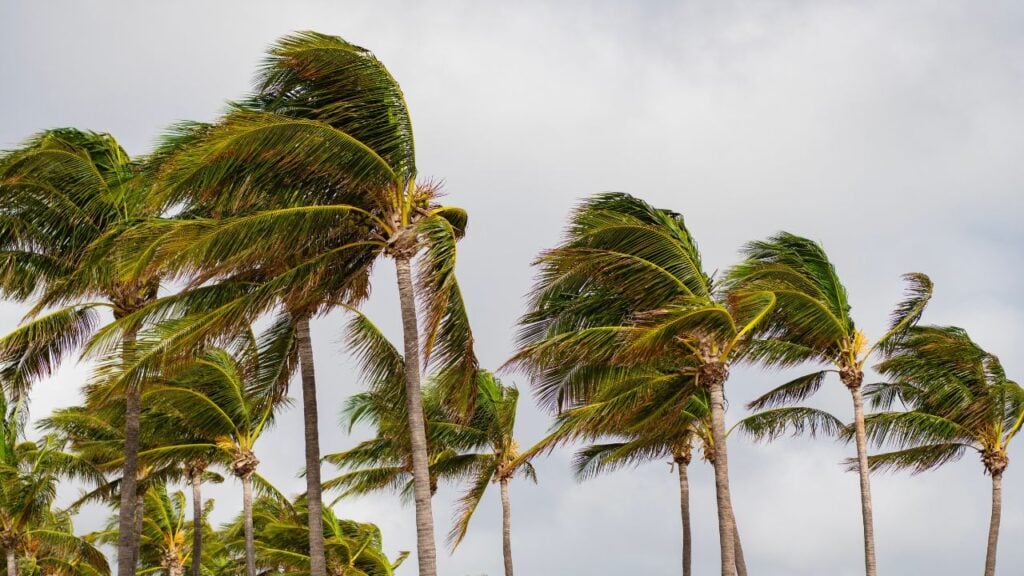
A storm spins up in the Atlantic, and half the country starts refreshing the forecast every ten minutes.
Floridians read the cone once, glance at the pantry, and go back to whatever they were doing.
11 Things Floridians Stay Calm About in Hurricane Season That Terrify Everyone Else
8 Landscaping Mistakes Lowering Florida Home Values in 2026
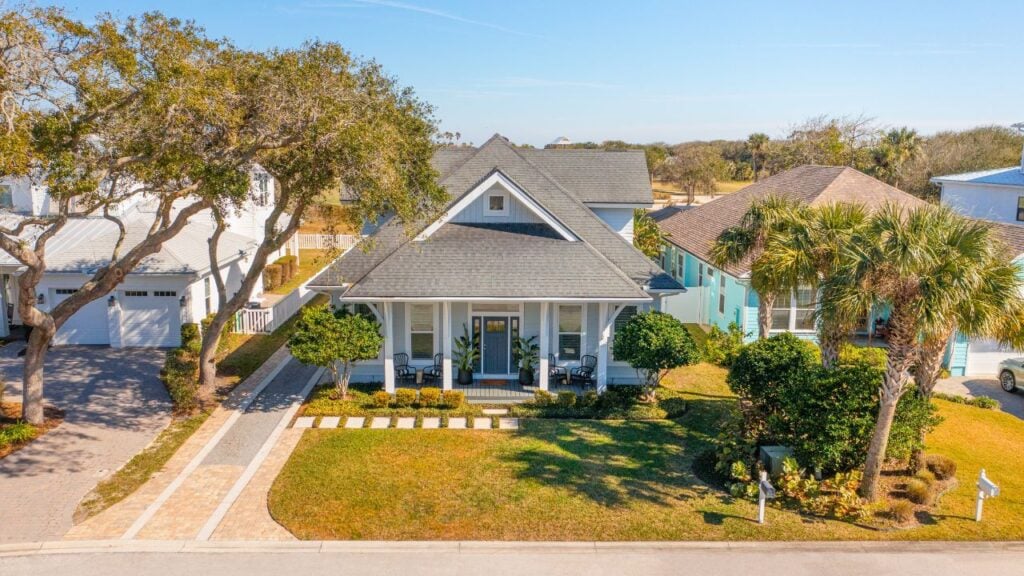
A yard can look terrific from the street and still cost you money at the closing table.
Some of the plants and features that read as upgrades to a neighbor read as problems to an appraiser.
