
9 North Carolina Foods and Drinks Outsiders Just Don’t Understand

In North Carolina, saying the word “barbecue” out loud can start an argument.
The pork is never the problem.
It’s the sauce, the cut, and which half of the state you’re standing in. That’s one of the milder puzzles on a North Carolina table.
These are the North Carolina foods outsiders just don’t understand.
Livermush
Say livermush to someone who didn’t grow up in North Carolina, and watch their face do the math.
The name is no help.
It’s pork liver ground with cornmeal and sage, pressed into a loaf, then sliced and fried until the edges crackle.
By state law, the genuine article runs at least 30 percent pig liver.
Anything under that bar is something else.
Shelby throws it a festival every fall, and the city once passed a proclamation calling it the most versatile of meats.
You eat a fried slab on white bread with a swipe of mustard, or park it next to your eggs at a diner counter.
Most newcomers hear the name and slide the plate back across the table.
Their loss.
A Hot Dog All the Way
Newcomers get a jolt when they order a hot dog all the way in North Carolina.
You get it red.
The frank itself is dyed a bright, unnatural red, and a first-timer stops cold before even reaching the toppings.
Ordered all the way, it comes topped with chili, coleslaw, mustard, and diced onions, all piled on at once.
Yes, coleslaw.
That cool, sweet slaw over warm chili is the part outsiders argue about and locals refuse to give up.
Ask for plain ketchup and nothing else, and you’ll draw a look from behind the counter.
That’s not how the state builds a hot dog.
Cheerwine
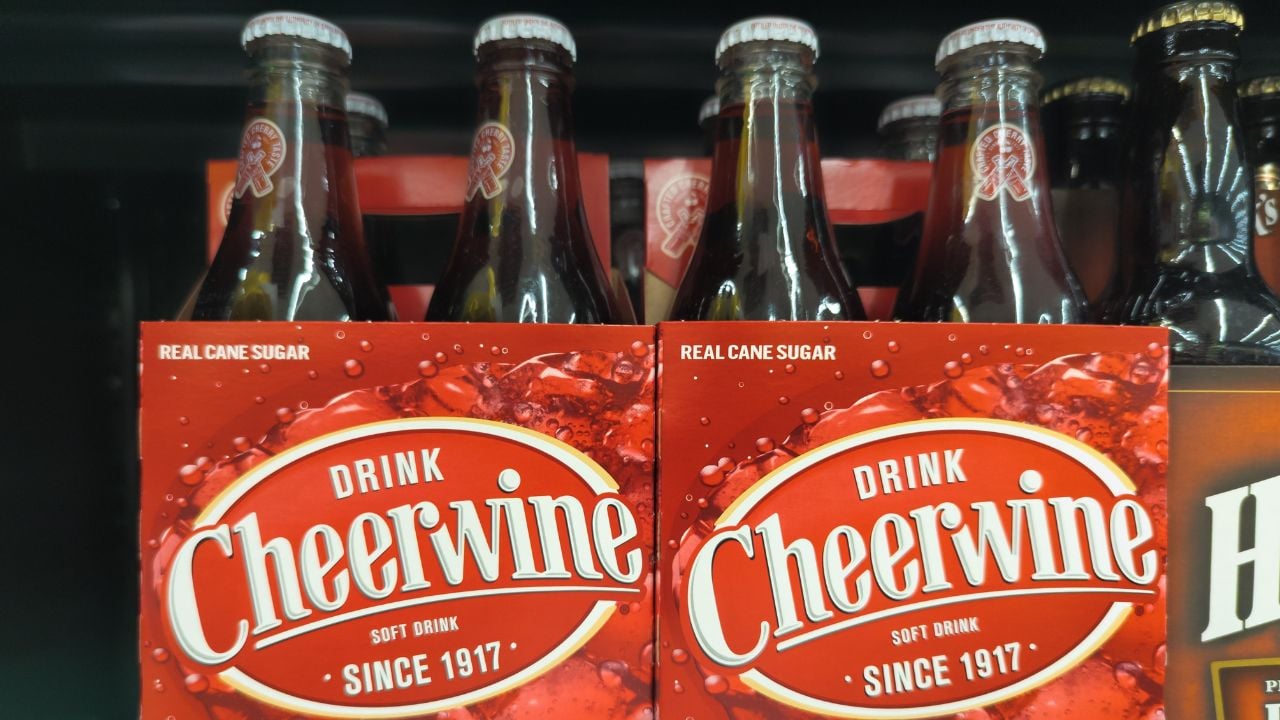
Many newcomers misread Cheerwine the moment they see it, and it starts with the name.
There’s no wine in it.
It’s a cherry soft drink, deep burgundy and aggressively fizzy, first mixed up in Salisbury in 1917 by a grocer named L.D. Peeler during a wartime sugar shortage.
He needed a recipe that used less sugar, so he built it around a bold cherry flavor.
The name pairs cheer with the wine-red color, and that is as close to wine as it gets.
More than a century on, Peeler’s descendants still own the company.
Locals drink it straight, pour it over vanilla ice cream, and glaze a holiday ham with it.
A transplant just tries to work out why the soda aisle has burgundy in it.
Two Kinds of Barbecue
In North Carolina, barbecue always means pork, smoked low and pulled or chopped.
Never beef.
But the state can’t agree on the rest, and the split runs deep.
Out east, pitmasters cook the whole hog and mop it with a thin vinegar-and-red-pepper sauce, no sugar and no tomato in sight.
Drive into the Piedmont, and Lexington style takes over: pork shoulder only, dressed with a vinegar dip that carries a little ketchup for color.
Lexington bills itself as the Barbecue Capital of the World, and its October festival draws as many as 200,000 people for chopped-pork sandwiches.
Mix the two up in the wrong town, and somebody will correct you.
To an outsider, it’s all barbecue.
To North Carolina, it’s a border.
Cook Out Trays and Milkshakes
Out-of-staters get lost at Cook Out before they even reach the counter.
The menu is huge, cheap, and mostly unheard-of past the region.
The tray is the anchor.
For around seven dollars, a Cook Out Tray gets you a main, two sides, and a drink, and the sides list runs to quesadillas, hush puppies, corn dogs, and chicken nuggets.
The Greensboro chain started in 1989 and stayed loyal to the drive-thru, with no dining room to slow anybody down.
Then come the milkshakes.
More than 40 flavors, blended thick, from banana pudding to Cheerwine to peanut butter fudge.
You can even blend two together.
A first-timer stares at the flavor board like it’s a pop quiz, while the regular in line already has an order memorized.
Country Ham and Red-Eye Gravy
Country ham with red-eye gravy trips up more newcomers than almost anything else on a North Carolina breakfast table.
Two things throw them.
The first is the ham, dry-cured in salt for weeks and aged until it turns firm, dark, and intensely salty, nothing like the soft pink slices at a deli counter.
The second is the gravy.
Cooks pour black coffee straight into the salty ham drippings, scrape the skillet, and spoon the thin, reddish sauce over the ham, a biscuit, or a bowl of grits.
That’s where the red-eye name comes from.
Newcomers hear coffee gravy and make a face.
Then they mop the plate clean with a biscuit anyway.
Psst! How much do you know about North Carolina food and drink? Take our quiz and see if you can ace it.
Quiz
North Carolina Food IQ
Answer these questions on North Carolina food and drink history. See how many you get right, and you’ll probably surprise yourself.
Which soft drink now sold around the world was invented by a pharmacist in New Bern, North Carolina?
Bojangles Biscuits
Bojangles is the fried-chicken-and-biscuit chain North Carolina defends like family, and outsiders don't get the fuss until they taste a biscuit.
They're made from scratch.
The first Bojangles opened in Charlotte in 1977.
The buttermilk biscuits still come out of the oven all day long.
Order a Cajun Filet Biscuit, a side of dirty rice, and a sweet tea, and you've eaten a proper Bojangles run.
Then there's the Bo-Berry Biscuit, a sweet biscuit dotted with blueberry and drizzled with icing, and it has its own following.
The tea comes loaded with sugar, the way the state likes it.
Newcomers expect one more fried-chicken drive-thru.
They don't expect to crave the biscuits by week two.
Sonker
Sonker might be the most North Carolina dessert almost nobody outside the state has ever heard of.
It barely leaves two counties.
You'll mostly find it in Surry County and neighboring Wilkes, in the foothills north of Winston-Salem.
A sonker is a deep-dish fruit cobbler, juicier and looser than the regular kind, baked in a big rectangular pan to feed a crowd.
Sweet potato, cherry, peach, blackberry, whatever the season gives up goes in.
The kicker is the dip.
Cooks ladle a warm, sweet, vanilla-spiced milk over the top, and no two families make it the same way.
Ask for a sonker in Raleigh, and you might get a blank stare.
Ask in Mount Airy, and they'll cut you a square.
Calabash Seafood
Calabash seafood sounds like a single dish, but it's a whole way of frying, named after a tiny fishing town on the southern coast.
Barely a dot on the map.
Cooks dredge fresh shrimp, flounder, and oysters in evaporated milk and seasoned flour, then fry them fast so the coat stays thin and crisp.
Light, never heavy.
The style traces to Lucy Coleman, who started cooking seafood this way at her restaurant around 1940.
Her sister opened a competing place, and together the two of them turned a village into a destination.
By the 1980s, one count put about 20 seafood restaurants in a town of fewer than 200 residents.
They call it the Seafood Capital of the World.
Order Calabash-style at a buffet three states away, and you're eating a North Carolina town's name without knowing it.
Get it fresh off the boat where it started, and one bite of that thin, crackly coat is all the argument you need.
9 Things North Carolinians Do That Baffle Everyone Who Moves In
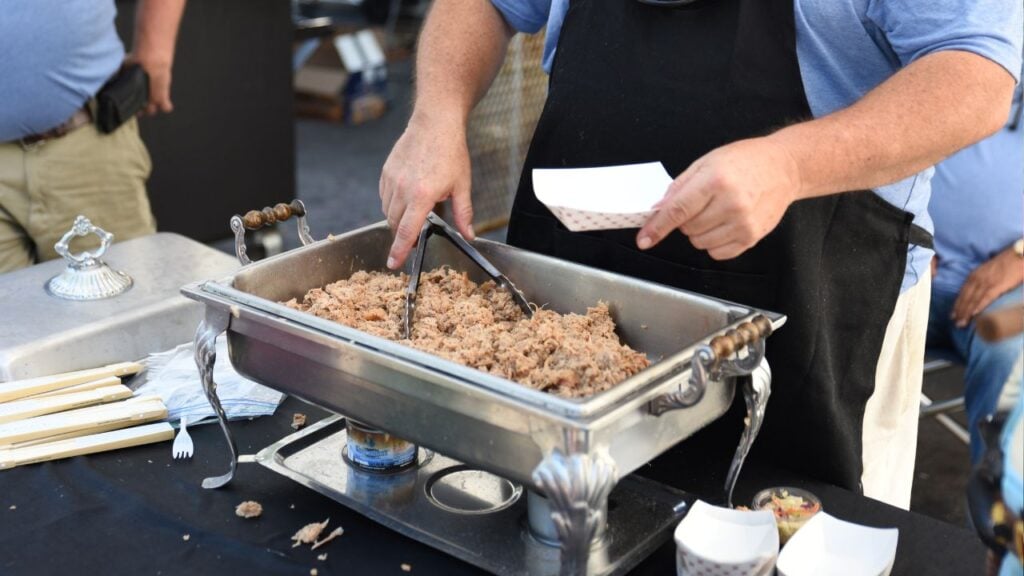
You can unpack, learn the back roads, and still out yourself at the first dusting of snow.
A handful of everyday habits mark a lifelong North Carolinian, and newcomers trip over all of them.
9 Things North Carolinians Do That Baffle Everyone Who Moves In
9 Ways North Carolina's Publix Stores Are Different From Florida's
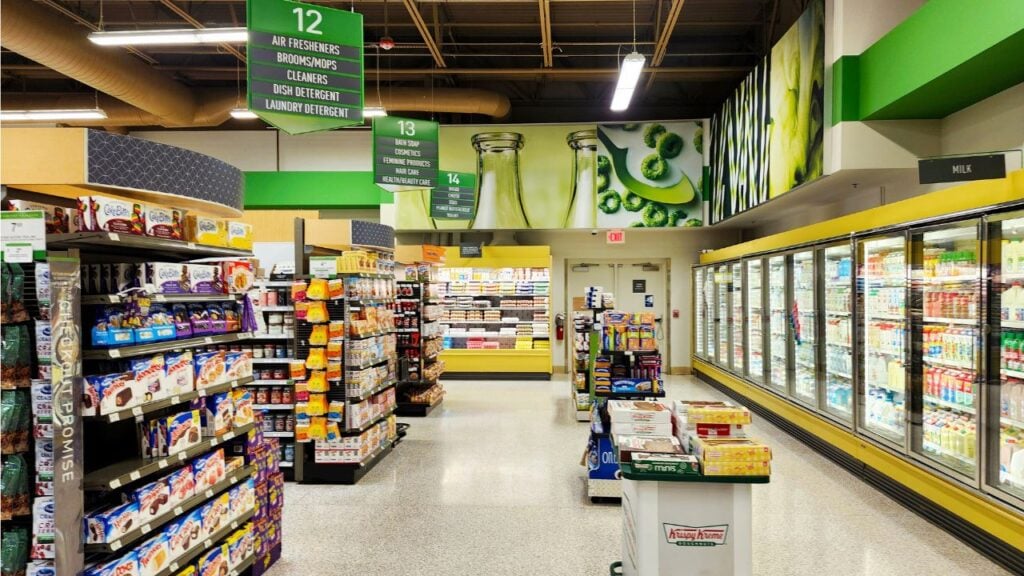
At a North Carolina Publix, a buy-one-get-one deal means you can grab a single item and pay half price.
Floridians raised on the same green sign have to buy two to save a dime, and the gap only starts there.
9 Ways North Carolina's Publix Stores Are Different From Florida's
