
9 Prices That Make California Transplants Do a Double Take

How long does it take a new California resident to gasp at a price tag?
Usually about as long as the drive from the airport to the first gas station.
The moving boxes aren’t even unpacked before their budget needs a rewrite.
These are the prices that make California transplants do a double-take.
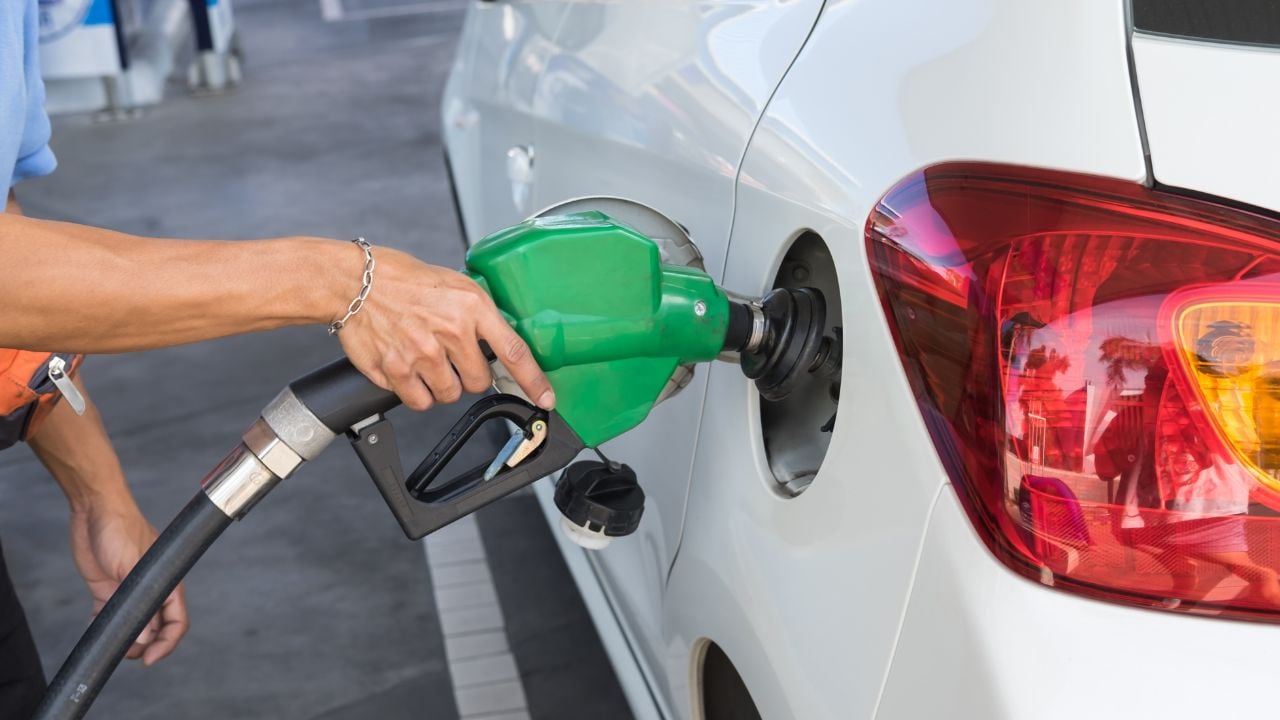
1. A Tank of Gas
California gas hovered around $5.40 a gallon in early July, per AAA.
That’s more than two dollars above what drivers pay in much of the country.
A transplant from Houston watches the pump pass $70 on a mid-size SUV and assumes the machine is broken.
The machine is fine.
Special fuel blends, state taxes, and fees all ride along on every gallon in California.
Fill a 15-gallon tank twice a week, and paying two extra dollars a gallon costs about $240 a month.
That’s a car payment, spent on nothing but the privilege of driving the same miles.
2. The Electric Bill
Residential electricity in California averaged about 35 cents per kilowatt-hour this spring, per the U.S. Energy Information Administration (EIA).
The national average sits near 19 cents.
So the same load of laundry costs a Californian nearly double.
Air conditioning through a Central Valley summer turns that rate into a three-digit line item.
Newcomers learn to check the time before running the dryer because many California utilities charge more during evening hours.
Utilities point to wildfire-proofing and grid upgrades.
The number at the bottom of the bill stays high either way.
3. A Perfectly Ordinary House
The typical California home is worth about $775,550, per Zillow.
That buys a three-bedroom ranch with an older kitchen, not a mansion.
Even the fixer-uppers list at numbers that would make the evening news back home.
Transplants from the Midwest do the conversion in their heads and go pale: That’s two houses back home, sometimes three.
Californians shrug and call it a deal because prices dipped a little this past year.
4. Rent on a One-Bedroom
California’s median asking rent runs about $2,825 a month, per Zillow.
That’s roughly $800 above the national number.
In San Francisco, the average listing runs past $4,000.
A transplant’s first apartment hunt in California usually ends with a smaller place, a longer commute, or a roommate they didn’t plan on.
Sometimes all three.
5. Car Insurance
Full coverage in California averages about $200 a month, per Insurify.
Dense traffic, expensive repairs, and pricey cars all push California premiums up.
The double take comes at renewal time.
A driver who paid $90 a month in Tennessee opens the new quote and rereads it twice, hoping they misplaced a decimal.
Even drivers with spotless records feel it because California’s repair and medical costs get priced into everyone’s premium.
Shopping quotes at every renewal becomes a habit fast.
6. Homeowners Insurance
Average California home insurance premiums rose 84% between late 2020 and this spring, per Stanford researchers.
Wildfire risk drove insurers out of whole ZIP codes.
Many homeowners near brush country now rely on the state’s insurer of last resort, and coverage there costs more for less.
Transplants who budgeted for the mortgage forget to budget for the policy that guards it.
Ask any new homeowner in the foothills what surprised them, and the insurance quote beats the mortgage rate every time.
7. Crossing a Bridge
Driving across the Bay Bridge now costs $8.50 for FasTrak users after January’s increase.
Six other Bay Area bridges charge the same.
Cross one every workday, and the commute adds up to more than $2,000 a year before a single drop of that $5.40 gas.
That’s the FasTrak rate, and drivers without a toll tag can pay more.
Newcomers from toll-free states feel each beep like a tiny mugging.
8. A Day at Disneyland
A one-day, one-park Disneyland ticket runs anywhere from $104 to $224 depending on the date.
That’s per person, before parking, churros, or mouse ears.
A family of four can clear $800 at the gate on a summer Saturday.
Transplants who grew up on $40 county fairs stand at the ticket window recalculating their whole month.
Parking adds another bill before the first churro.
9. The Register Total
California’s statewide sales tax starts at 7.25%, the highest base rate in the nation, and local districts push some cities to 10.75%.
The shelf says one number.
The register says another, and the gap stings more on big purchases.
Buy a $1,200 laptop in the wrong ZIP code, and the tax alone tops $125.
Transplants from Oregon, where the sales tax is zero, take the longest to recover.
Psst! How much do you know about what things cost across America? Take our quiz and see if you can score 100%.
Quiz
Cost of Living Quiz
Answer these questions about prices across America. We bet you can’t get them all right. Prove us wrong?
Where Money Goes Furthest
The sticker shock isn't spread evenly across California.
Inland regions like the Central Valley run far cheaper on housing than the coast, which is why so many transplants land in Sacramento, Fresno, or Bakersfield first.
Groceries and haircuts track closer to national norms than housing does.
A transplant who can work from anywhere learns fast that the same salary buys a very different life in Clovis than in Culver City.
Transplants who stay usually adapt the way Californians do: a smaller car, solar panels where the math works, and a close read of every renewal notice.
And wages in California often run higher too, which is the half of the equation the double take forgets.
Ask a transplant two years in, and many will tell you the gas still hurts but the paycheck helps them forgive it.
7 California Towns Where Retirees Can Still Afford to Live
Everyone says you can't afford to retire in California anymore.
Drive inland a couple of hours, and the Golden State suddenly looks a lot more reachable on a fixed income.
7 California Towns Where Retirees Can Still Afford to Live
10 Things Californians Are Secretly Proud Of

Californians will criticize their own state for an hour, but heaven help the outsider who joins in.
Underneath all that griping sits a long, satisfied list few people say out loud.
