
9 Surprising Jobs U.S. Presidents Had Before Politics. Can You Guess Them, Californians?

Before they were shaking hands on the campaign trail and signing bills in the Oval Office, the men who became president had to make a living like everyone else.
These weren’t always the polished résumés Californians would expect from future leaders of the free world.
They were the scrappy, surprising, sometimes humble gigs that paid the bills and, looking back, shaped the men who’d one day run the country.
Here are the surprising jobs U.S. presidents held before they ever entered politics.
Gerald Ford Was a Fashion Model
Arguably, the most unexpected pre-presidential gig of all belongs to the man who never even ran for the job.
Gerald Ford was a magazine model.
While studying law at Yale, Ford and his girlfriend, Phyllis Brown, a professional model, did modeling work together.
He landed on the cover of Cosmopolitan in 1942 and appeared in a Look magazine fashion spread, striking poses in stylish outfits years before anyone imagined him in the White House.
The future president was, by the standards of the day, a heartthrob.
It’s a jarring image, the steady, plainspoken Ford of the 1970s as a young man posing for fashion shoots, but the magazine covers are real and easy to find.
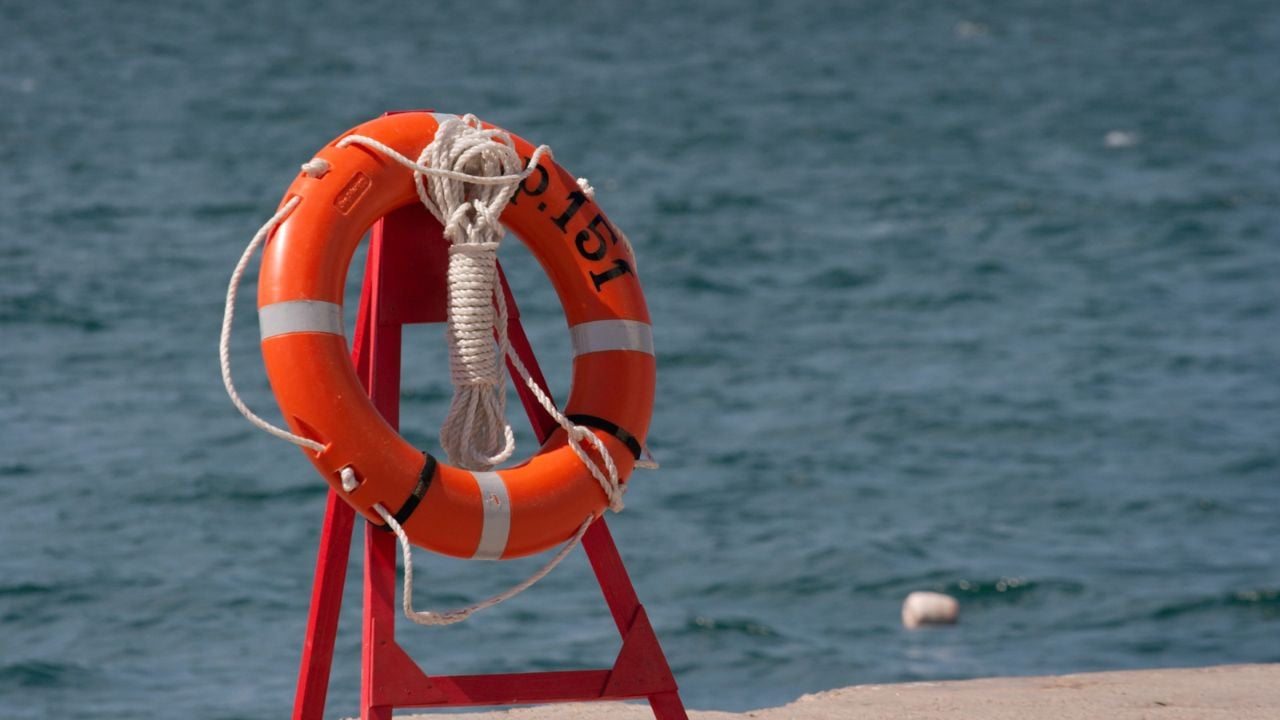
Ronald Reagan Was a Lifeguard
Long before Hollywood, before the governor’s mansion, and before the presidency, Ronald Reagan spent his teenage summers pulling people out of a river.
Reagan worked as a lifeguard at Lowell Park on the Rock River near Dixon, Illinois, for seven summers starting at age 15.
By his own count, he rescued 77 people from the water over those years, reportedly notching each save on a log.
That’s a remarkable number for one young man in one stretch of river.
His later movie-star years tend to overshadow it.
But Reagan often said the lifeguard job taught him more about people than almost anything else, watching how they behaved in a crisis.
Harry Truman Ran a Men’s Clothing Store
Before he made some of the biggest decisions of the 20th century, Harry Truman was trying to sell neckties in Kansas City.
After serving in World War I, Truman opened a haberdashery, a men’s clothing and accessories store, with his army buddy Eddie Jacobson in 1919.
They sold shirts, hats, ties, and gloves to the city’s businessmen. Truman kept the books with characteristic precision.
The store went under during the economic downturn of the early 1920s.
That failure stuck with him, but it also pushed him toward politics, where the connections he’d made behind the counter helped launch his first campaign.
The man who’d later okay the Marshall Plan once couldn’t keep a hat shop afloat.
Abraham Lincoln Was a Wrestler and a Postmaster
Few presidents collected as many odd jobs on the way up as Abraham Lincoln, who tried nearly everything on the frontier before settling on law.
As a young man in New Salem, Illinois, Lincoln piloted a flatboat of cargo down the Mississippi to New Orleans, split rails for fences, clerked in a store, and served as the town postmaster.
He was also a feared wrestler, with a local reputation built on his height, long reach, and raw strength.
His famous bout against the tough Jack Armstrong became a frontier legend.
All that scrappy, hands-on work gave Lincoln the common touch that later defined him, the rail-splitter image that voters loved because it happened to be true.
Herbert Hoover Was a Globe-Trotting Mining Engineer
Before the Great Depression made his name infamous, Herbert Hoover was one of the most successful mining engineers on the planet.
A member of Stanford University’s very first graduating class, Hoover took his geology degree around the world, working mines in Australia and China and eventually running his own international consulting operation.
The work made him wealthy and gave him a reputation as a brilliant problem-solver.
He crossed the Pacific dozens of times back when that was a grueling journey.
That globe-trotting engineering career, not politics, was how Hoover first earned his fortune and his fame, long before he ever held public office.
Andrew Johnson Was a Self-Taught Tailor
One president learned his first trade with a needle and thread, never spending a single day in a schoolroom.
Andrew Johnson was a tailor.
Apprenticed to a tailor as a boy and too poor for any formal education, Johnson opened his own tailor shop in Greeneville, Tennessee, as a young man.
He taught himself to read, and his wife, Eliza, later helped him with writing and arithmetic.
He was proud of his craftsmanship, reportedly boasting that his seams were always straight.
Even as president, Johnson is said to have admired well-made suits and remembered his roots stitching garments for the working people of his Tennessee town.
Jimmy Carter Was a Nuclear Submarine Engineer
Everyone remembers Jimmy Carter, the peanut farmer.
Fewer know that before the farm, he worked on the cutting edge of nuclear technology.
A graduate of the U.S. Naval Academy, Carter served aboard submarines and was selected for the elite nuclear submarine program under the legendary Admiral Hyman Rickover.
He trained as a nuclear engineer and worked on early naval reactor development.
He left that high-tech career in 1953 only because his father died.
Carter went home to Plains, Georgia, to save the struggling family peanut farm, trading reactors for crop rotation.
The nuclear engineer turned farmer turned governor turned president remains one of the most unusual career arcs in White House history.
John F. Kennedy Was a Newspaper Reporter
Before the Senate and the presidency, John F. Kennedy briefly made his living as a journalist, and he covered some of the biggest stories of the century.
After his heroics in the Pacific during World War II, Kennedy worked as a special correspondent for the Hearst newspaper chain.
In 1945, he reported on the founding of the United Nations and the Potsdam Conference, where Truman, Churchill, and Stalin were carving up the postwar world.
He had a front-row seat to history before he ever made any.
The reporting job lasted only a few months before Kennedy ran for Congress. But it gave him a firsthand education in the global politics he’d later navigate as president.
Theodore Roosevelt Was a Dakota Cowboy
After a devastating personal loss, the future Rough Rider headed west and reinvented himself as an honest-to-goodness cattle rancher on the American frontier.
When his wife and mother died on the same day in 1884, a grief-stricken Theodore Roosevelt left New York for the Dakota Badlands, where he bought ranches and threw himself into the rugged life of a cowboy.
He herded cattle, rode for days, hunted, and even served as a deputy sheriff who once tracked down boat thieves.
The sickly, asthmatic boy became a tough, weathered outdoorsman.
That frontier chapter transformed Roosevelt, body and spirit, forging the vigorous, larger-than-life character who’d charge up San Juan Hill and into the White House.
10 Things U.S. Presidents Have to Pay for on Their Own That Americans Are Clueless About
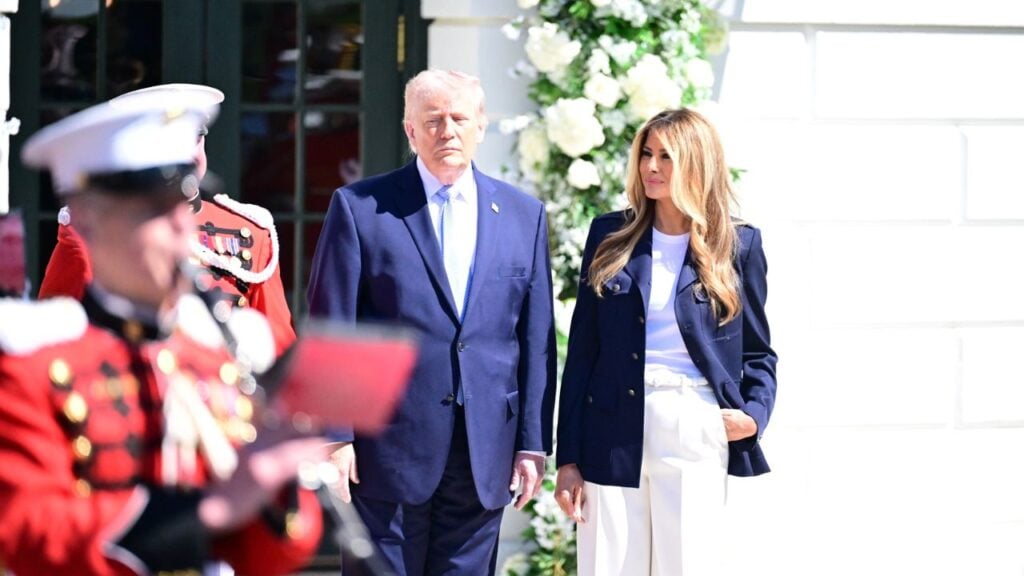
Living at 1600 Pennsylvania Avenue has obvious perks.
But the president of the United States still receives a monthly bill from the White House usher’s office, and what’s on that bill catches many Americans off guard.
10 Things U.S. Presidents Have to Pay for on Their Own That Americans Are Clueless About
13 Things That Happen Inside Air Force One That Nobody Sees
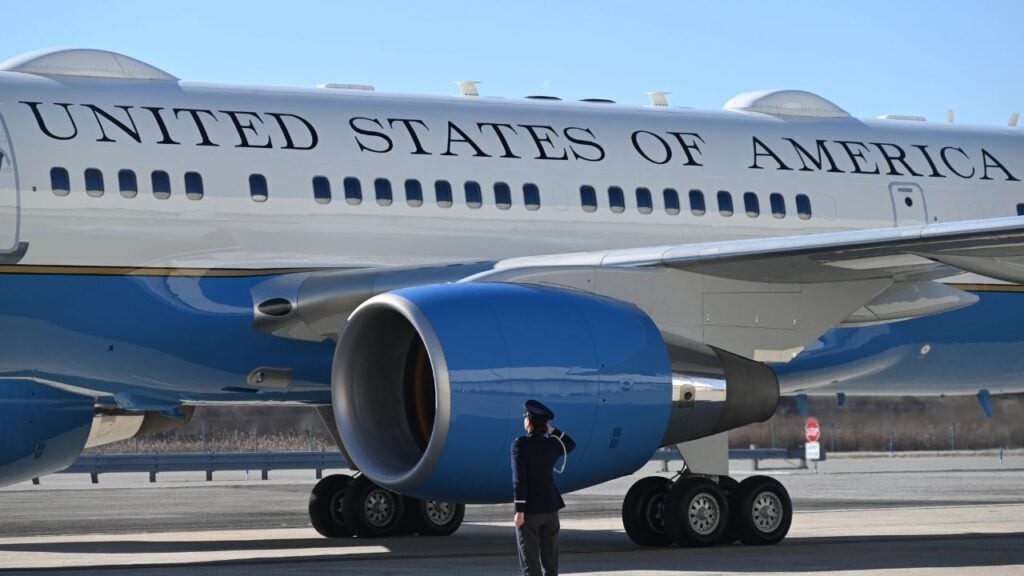
Hollywood has done a number on the public’s idea of what Air Force One is like.
Here’s what really happens on board.
