
9 Things a Texas Landlord Can’t Legally Do to Renters in 2026

About 37% of Texas households rent instead of own, according to the U.S. Census Bureau’s latest housing estimate.
That’s a lot of leases.
Texas law spells out exactly what a landlord can and can’t do once that lease is signed, right down to the section numbers and the dollar penalties.
These are the things a Texas landlord can’t legally do to renters in 2026.
Note: This is general information, not legal advice. Rental rules and dollar amounts are subject to change.
1. Shutting off Your Utilities
Texas law prohibits a landlord from cutting off your water, gas, or electricity just to pressure you out of a rental.
Property Code Section 92.008 bans the practice outright unless the interruption comes from a bona fide repair, construction, or an emergency.
No other excuse counts.
A landlord who cuts service anyway owes actual damages, one month’s rent plus $1,000, and attorney’s fees, minus any back rent the tenant still owes.
The rule covers a Houston duplex the same way it covers a high-rise in Uptown Dallas.
2. Changing the Locks Without Notice
There’s a strict notice procedure a landlord has to follow before changing the locks on a renter behind on rent.
That’s not optional.
Property Code Section 92.0081 requires written notice, at least three days ahead if it’s hand-delivered or five if it’s mailed, before the new lock goes in.
Skip that step, and the tenant can get back into the unit and collect one month’s rent plus $1,000 in damages.
Texas law also makes the landlord keep an on-site spot or a 24-hour phone line open for the new key, with delivery inside two hours of a call.
A Fort Worth landlord who forgets the key line owes the same penalty as one in El Paso.
3. Sitting on Your Security Deposit
A tenant who moves out starts a clock a Texas landlord can’t ignore: The security deposit is due back within 30 days.
Property Code Section 92.103 sets that deadline no matter what the lease says otherwise.
It’s thirty days, not thirty-one.
Hold the money in bad faith, and Section 92.109 fines the landlord $100, plus three times the amount wrongfully withheld, plus the tenant’s attorney’s fees.
A landlord who skips the itemized list of deductions is presumed to have acted in bad faith.
That presumption can cost the landlord the right to keep any of the deposit or to sue over damage to the unit.
4. Ignoring a Repair Request
A written repair request for a problem that affects health or safety triggers a deadline the landlord has to meet.
Property Code Section 92.056 requires the landlord to act once a tenant asks in writing for a repair, and a follow-up notice by certified mail speeds things along.
Texas law presumes seven days is a reasonable amount of time to fix it, though severity and the availability of materials can shift that.
It’s not a guarantee.
If a landlord misses that window, the tenant can end the lease, have the repair done and deduct the cost from rent, or take the matter to court.
A broken air conditioner in the middle of summer counts as exactly that kind of problem.
5. Retaliating for a Complaint
Texas landlords can’t retaliate against a tenant for exercising a legal right.
That covers requesting a repair, complaining to a code inspector, or joining a tenant organization.
Property Code Section 92.331 protects every one of those actions.
That covers a lot of people. The Census Bureau puts Texas at roughly 4.1 million renter households, and each one keeps this protection the moment they exercise a legal right.
Raise the rent, cut a service, or file eviction within six months of that complaint, and the law presumes the landlord is retaliating.
That’s presumed retaliation, not coincidence.
6. Charging an Illegal Late Fee
A late fee a Texas landlord charges can’t just be whatever number comes to mind.
Property Code Section 92.019 caps a reasonable fee at 12% of one rental period’s rent in a fourplex or smaller, and 10% in anything bigger.
The fee also has to be written into the lease, and it can’t kick in until rent is two full days late.
It’s two days, not one.
A one-bedroom in Austin renting for $1,500 caps a compliant late fee at $150 under that 10% ceiling.
Charge more without meeting those conditions, and the landlord owes $100, three times the fee collected, and the tenant’s attorney’s fees.
7. Hiding Who Owns the Property
Finding out who owns a rental shouldn’t hit a dead end, and Texas law won’t let a landlord stonewall that request.
Property Code Section 92.201 requires handing over the record owner’s name and a street or P.O. address, plus the management company’s address if one runs the property, within seven days of a written request.
The name must be real.
Refuse even after a follow-up written notice warning that legal remedies apply, and Section 92.202 makes the landlord liable to the tenant, or to a city or county official asking the same question, once seven more days pass with nothing done.
A triplex in San Antonio owned through an out-of-state limited liability company (LLC) doesn’t get a pass on this one.
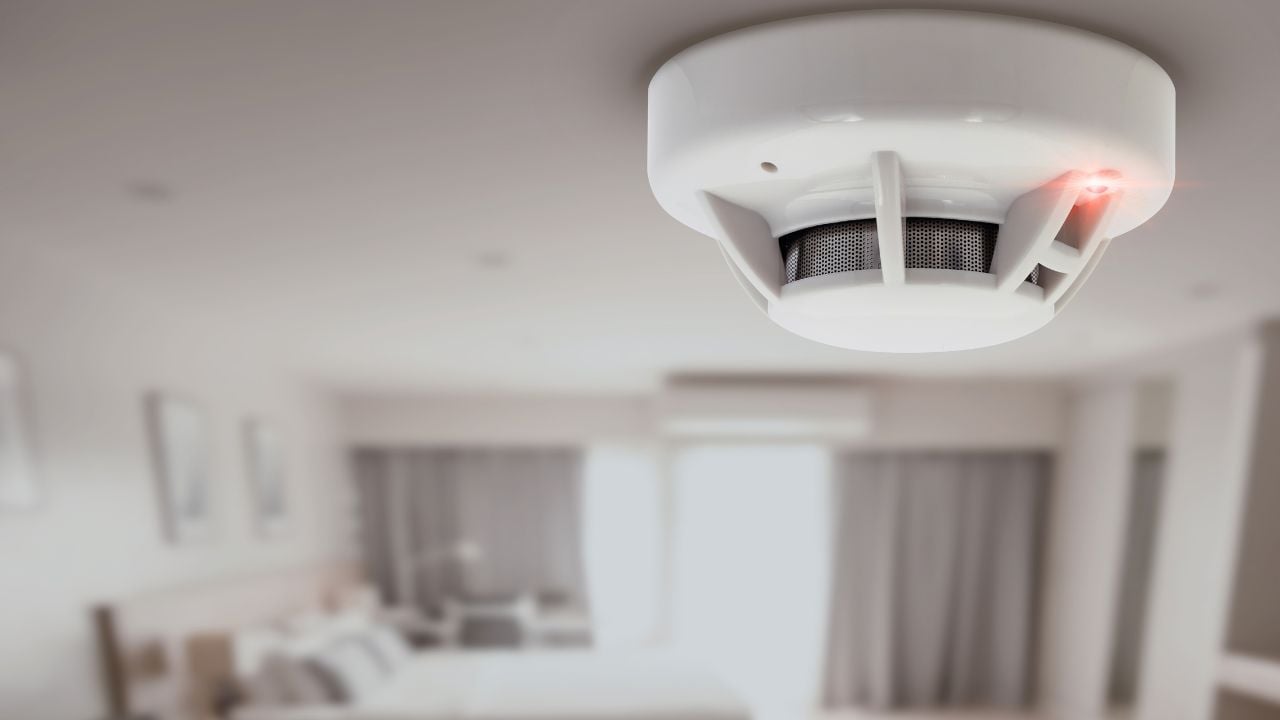
8. Skipping the Smoke Alarm Fix
A Texas landlord has to install a smoke alarm at move-in, and can’t stall once a tenant reports it broken.
Property Code Section 92.259 sets a seven-day deadline to install, inspect, or repair a smoke alarm after written notice.
There’s no grace period this time.
If a landlord misses that deadline, Texas law holds them liable under the same subchapter that sets it.
That same seven-day clock covers a decade-old, chirping alarm in an older Houston duplex too.
Psst! How much do you know about renter rights in Texas? Tap through these myth-or-fact cards and see how many you get right.
9. Enforcing a Lease After Family Violence
A landlord loses the right to enforce a lease once documented family violence forces a tenant out.
October is nationally recognized as Domestic Violence Awareness Month, and the timing lines up with a Property Code protection a lot of renters have never heard of.
A tenant provides a copy of a protective order, or documentation from a health care provider, mental health professional, or family violence advocate, along with 30 days’ written notice.
Property Code Section 92.016 then lets that tenant vacate and walk away from the rest of the lease.
The tenant owes nothing.
A landlord who tries to collect anyway owes actual damages, plus a civil penalty equal to one month’s rent plus $500, plus attorney’s fees.
6 Restaurant Chains Shutting Texas Locations in 2026
Texas restaurants closed more locations than any other state in the first half of 2026, according to the restaurant-tracking firm RestaurantData.
On The Border opened its first restaurant in Irving back in 1982, and its Texas doors didn’t all stay open for good.
6 Restaurant Chains Shutting Texas Locations in 2026
7 Foods Born From Hard Times That Texans Still Love and Out-of-Staters Won’t Touch

San Antonio marks Diez y Seis de Septiembre every year with cabrito roasting right alongside the tacos and the mariachis.
Many people outside Texas have never eaten goat and don’t plan to start, but that’s just one of the foods Texas built out of hard times and never let go.
7 Foods Born From Hard Times That Texans Still Love and Out-of-Staters Won’t Touch
