
7 Foods Born From Hard Times That Texans Still Love and Out-of-Staters Won’t Touch

This Wednesday, San Antonio marks Diez y Seis de Septiembre, the day Mexico’s independence movement began in 1810.
Restaurants across South Texas will roast cabrito, a young goat, right alongside the tacos and the mariachis.
Many people outside Texas have never eaten goat and don’t plan to start.
These are the foods Texas built out of hard times, the same foods out-of-staters still won’t touch.
1. Menudo
Menudo started because tripe, the lining of a cow’s stomach, was one of the only cuts poor Mexican and Mexican-American families in South Texas could reliably afford.
Wealthier households wouldn’t touch it, so home cooks turned it into a red chile soup thickened with hominy that could stretch across a family for days.
Nothing else worked as well.
Menudo still shows up on many South Texas breakfast tables today, especially the morning after a long Saturday night.
The smell alone sends a lot of first-timers back out the door before they taste a spoonful.
2. Cabrito
Cabrito, a young goat roasted whole, is one of the most expensive items on a South Texas barbecue menu today.
Pitmasters say they need close to $20 a pound just to break even on it.
That’s a long way from cabrito’s roots in the ranch country, where a young goat cost far less to raise than a calf.
It could go from pen to pit in weeks.
Cabrito started cheap.
San Antonio and Laredo still treat cabrito as a specialty today, especially around celebrations like Diez y Seis de Septiembre.
Goat meat remains something many Americans outside Texas have never eaten and aren’t eager to try.
3. Barbacoa de Cabeza
Barbacoa de cabeza started in the 1800s, when Anglo ranchers in South Texas handed off the cow heads they didn’t want, brains, eyes, and all, to the Mexican vaqueros who worked their land.
Those vaqueros wrapped the head in burlap, buried it over coals, and let it cook overnight until the cheek meat fell apart.
Nobody wasted a scrap.
Families in the Rio Grande Valley still dig that same pit on weekends.
Vera’s Backyard Bar-B-Que in Brownsville has sold pit-cooked barbacoa since 1955, but the idea of eating meat off a cow’s skull is enough to send many out-of-staters looking for the exit.
Barbacoa’s Legal Loophole
Many Texas cities banned the pit-cooking method behind barbacoa de cabeza decades ago over health-code concerns about burying meat underground.
Vera’s keeps cooking it the old way anyway.
The restaurant operates under a grandfather clause that predates the ban.
The James Beard Foundation named it an American Classic in 2020.
4. Chitlins
Chitlins, the small intestines of a hog, became a Texas staple because enslaved cooks were left with the parts of the pig that plantation owners didn’t want.
Poor families of every race kept the tradition alive long after slavery ended.
Cleaning and cooking them took hours, but a single hog-killing yielded enough chitlins for a whole community to share.
Patience did the work.
Houston’s This Is It calls chitlins one of its long-time menu favorites.
The restaurant posts on social media every New Year’s Day to let regulars know a fresh batch is ready.
Texas soul food restaurants from San Antonio to Houston still put chitlins on the menu today, usually in the winter months.
The smell alone keeps a lot of newcomers from ever picking up a fork.
5. Hog’s Head Cheese
Hog’s head cheese has nothing to do with cheese.
There’s no dairy anywhere near it.
The name covers a jellied loaf made from the meat picked off a hog’s head, a dish that took root among the German, Czech, and Wendish immigrant families who settled Central Texas in the 1850s.
A hog’s head had almost no other use, so cooks simmered it down and packed the meat and gelatin into a loaf pan for a cheap meat that lasted through winter without refrigeration.
The head cost nothing.
Opa’s Smoked Meats in Fredericksburg has kept generations of the same Hill Country families coming back as regulars, according to Texas Highways.
Head cheese sits right on the counter with everything else regulars order.
Meat markets across the Texas Hill Country still sell hog’s head cheese today.
The gelatin texture and the visible bits of meat make many visitors set it right back down.
6. Pickled Pig’s Feet
Pickled pig’s feet became a Texas pantry staple because pickling let families preserve a hog’s feet, cheap and otherwise wasted, for months without refrigeration.
Vinegar, salt, and time did the work a freezer does now.
No refrigerator required.
Some Texas families still set out a jar of pickled pig’s feet on New Year’s Day.
It follows the same Southern belief that pork on the table brings luck for the year ahead.
H-E-B still stocks jars of pickled pig’s feet on Texas shelves today.
The bone and the knuckle floating in the jar turn many first-time shoppers straight down the next aisle.
Psst! How much do you know about Texas food history? Take our quiz and see how many you can get right.
Quiz
Texas Food History IQ
Answer these questions on famous Texas food history. We bet you can’t get them all right. Prove us wrong?
Fritos got their start in 1932 when a San Antonio entrepreneur bought the recipe from another businessman for how much?
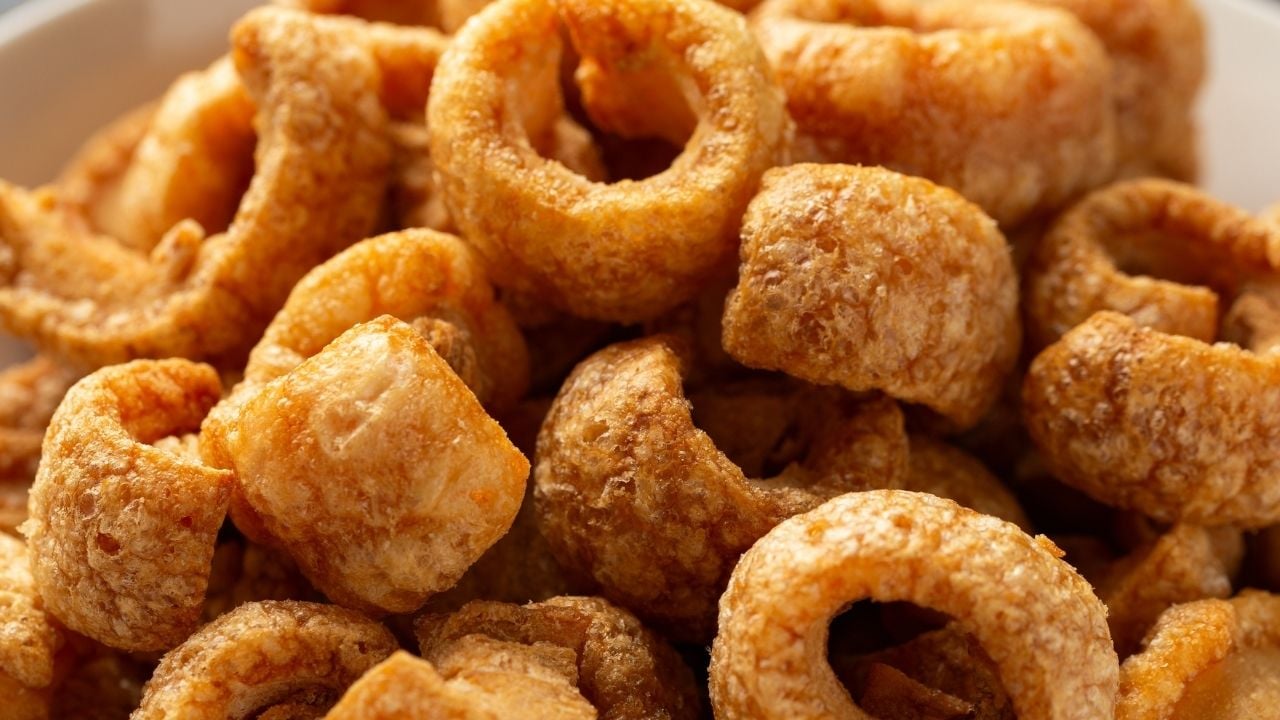
7. Cracklins
Cracklins are the crisp bits of skin and fat left over from rendering a hog's fat into lard, and Texas farm families fried them up rather than throw them away.
Mac's Original Cracklins says it started selling cracklins commercially out of Arlington in 1932.
The company calls itself the country's top pork rind maker today.
Fresh cracklins are heavier and chewier than the thin, bagged pork rinds sold at any national grocery chain.
That's what throws out-of-staters off.
The best batches come out uneven, crunchy in some spots and chewy with a ribbon of fat in others, the same way farmhouse cooks always made them.
Country stores across rural Texas still sell them warm today, fat, skin, and all, right next to the register.
9 Arguments Texas and Oklahoma Will Never Settle
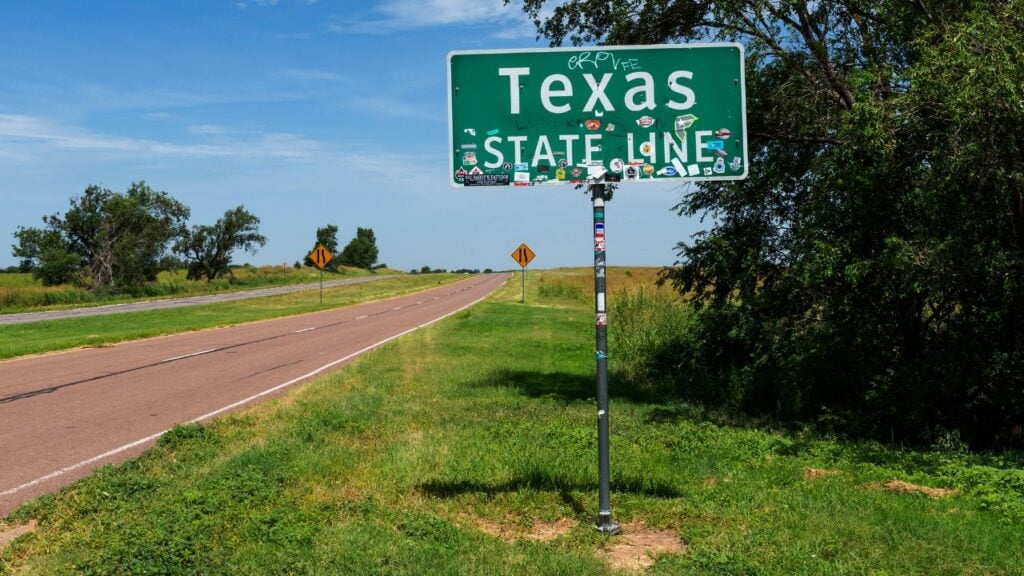
Texas leads the all-time football series against Oklahoma by fourteen games, and that settles nothing in an Oklahoman's mind.
From Whataburger versus Sonic to who invented barbecue, these are the arguments Texas and Oklahoma have never managed to put to rest.
9 Arguments Texas and Oklahoma Will Never Settle
8 Texas Fence and Property-Line Rules Homeowners Learn Mid-Argument

A Texas fence dispute rarely starts with anyone pulling out the actual rule first.
These are the property-line rules homeowners usually learn only after an argument with a neighbor has already started.
8 Texas Fence and Property-Line Rules Homeowners Learn Mid-Argument

A lot of the same foods are popular in the southern part of Louisiana from Cajun and Creole heritage.
The food made from goats is not available.