
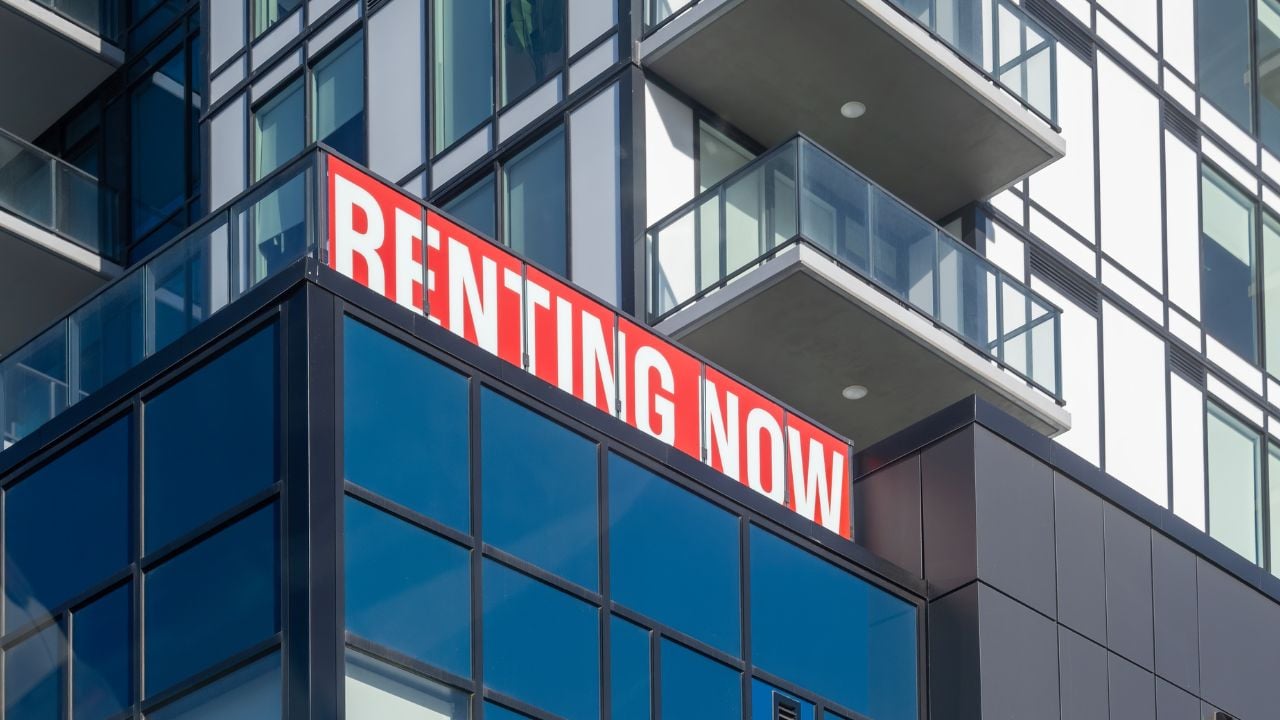
9 Things a Washington Landlord Can’t Legally Do to Renters in 2026

You report a broken heater to your Washington landlord, and a week later a notice shows up on your door.
The timing matters more than you’d think.
Here’s what a Washington landlord can’t legally do to renters in 2026.
Note: This is general information, not legal advice. Rental rules and notice periods are subject to change, so confirm the current requirements with the Washington State Attorney General’s Office.
1. Raising Rent in Your First Year
Your landlord has to hold your rent steady for the first 12 months of your tenancy, unless an exemption applies.
That holds whether you rent month to month or on a lease.
If you sign at $1,800 a month, that’s your rent for the first 12 months.
The rent stabilization law took effect on May 7, 2025, and expires on July 1, 2040.
Rentals Exempt From the Rent Limits
Washington’s rent cap and first-year freeze don’t cover a unit whose first certificate of occupancy came 12 or fewer years before the increase notice.
The exemptions extend to qualifying public, nonprofit and tax-credit affordable housing developments.
If your landlord lives in one unit of your duplex or fourplex, the limits don’t apply to your rent.
The same goes if you share a bathroom or kitchen with an owner who lives in the home.
Corporations, real estate investment trusts and limited liability companies with a corporate member can’t claim those owner-occupied exemptions.
A landlord who raises your rent under an exemption has to state the facts behind it in the written notice.
2. Raising Rent Past the Cap
The cap on rent increases between Jan. 1 and Dec. 31, 2026 is 9.683%.
The cap is 7% plus Seattle-area inflation, or 10%, whichever is less.
Seattle-area inflation ran 2.683% from June 2024 to June 2025, so 7% plus that makes 9.683%.
If you pay $2,000 a month, the cap works out to about $194 more.
If a notice goes above the cap, your first step is a written demand that asks your landlord to reduce the increase.
3. Short Notice on a Rent Increase
A landlord has to give you at least 90 days’ written notice before a rent increase takes effect.
If you have a lease, the increase can’t take effect until the lease term ends.
A lease through June 30 means no new rent before July 1.
If a subsidy sets your rent based on your income, the landlord needs only 30 days’ written notice.
4. Locking You Out
A court order has to come before a landlord removes you or locks you out of your home.
A landlord who changes the locks while you’re at work is breaking the law.
Even if you owe rent, the landlord still needs a court order.
If a landlord locks you out anyway, you can recover possession of your home or end the rental agreement and, either way, collect your actual damages.
5. Disconnecting Your Utilities
The law bars a landlord from intentionally cutting off your water, heat, electricity or gas.
One exception covers a reasonable interruption to make necessary repairs, such as shutting off your water for a short time to fix a pipe.
A landlord who cuts off a utility without that repair reason can owe you actual damages, plus a daily amount up to a limit the law sets.
The daily amount applies to each day or part of a day without service, so a single day counts.
6. Refusing You Over Your Income Source
Your source of income can’t be the reason a landlord refuses to rent to you.
Social Security counts.
So do Supplemental Security Income, veterans’ benefits and housing assistance.
A listing, notice or sign that states a preference or limit based on income source breaks the same rule.
The one exception is narrow, and it applies when your income source requires the unit to pass an inspection.
Even then, a written estimate has to put the cost of the repairs needed to pass at more than $1,500.
And the landlord can’t have received money from the landlord mitigation program to make those repairs.
7. Ending Your Tenancy Without a Reason
A landlord needs a legal cause to evict you, refuse to continue your tenancy or end a month-to-month rental.
Unpaid rent after a written demand is one cause.
Waste or nuisance is another, with at least three days’ notice to quit.
Others include a substantial lease breach and a good-faith owner move-in.
Every notice has to state the facts behind the cause in enough detail for you to respond.
The statute carves out one exception, for a lease that reaches its end date.
A landlord can end an initial agreement of six to 12 months, or a fixed term of 12 months or more, without a cause when it expires.
Either way, the landlord has to give you at least 60 days’ written notice before the term ends, plus meet the statute’s other conditions.
8. Keeping Your Deposit Without a Statement
Your landlord has 30 days to explain every deduction from your deposit.
Those 30 days start once your rental agreement ends and you’ve moved out.
By then, the landlord has to send a detailed statement of why any part of the deposit is being kept, along with any refund you’re owed.
Any damage charges have to come with copies of estimates or invoices.
No deduction can cover wear from ordinary use of the home.
A landlord who misses the 30-day deadline is liable for your full deposit and, with narrow exceptions, can’t claim any reason to keep part of it.
Psst! How much do you know about Washington renter rights? Take our quiz and see if you can ace it.
Quiz
Renter Rights Pop Quiz
Answer these questions on Washington renter protections and landlord penalties. We bet you can’t get them all right. Prove us wrong?
For the same unit, a landlord can’t charge a month-to-month renter and a renter on a lease rents that differ by more than what percentage?
9. Retaliation After a Complaint
A landlord can't take or threaten retaliation against you for a good-faith, lawful act.
That covers reporting a health or safety violation to a government authority, or asserting your rights under the state's tenant law.
Evicting you, raising your rent, cutting your services or adding to your obligations counts as retaliation when the main aim is to punish a protected act.
If a landlord does any of that within 90 days after your good-faith, lawful act, the law presumes retaliation, though the landlord can rebut that presumption.
That presumption doesn't apply to a rent increase when the landlord's notice states reasonable grounds.
If you're behind on rent or in breach of another lease obligation when a termination notice arrives, the law presumes the landlord isn't retaliating.
14 Everyday Habits That Only Make Sense to Washingtonians

Many Washingtonians have everyday habits that people in other states find puzzling.
What feels natural in Washington can earn you a curious look elsewhere in the U.S.
14 Everyday Habits That Only Make Sense to Washingtonians
8 Reasons a Washington Landlord May Be Allowed to Enter Your Rental
Can your landlord walk in whenever they like?
These are the reasons a landlord may be allowed to come in.
8 Reasons a Washington Landlord May Be Allowed to Enter Your Rental
