
9 Things Floridians Do in October That Snowbirds Never Notice

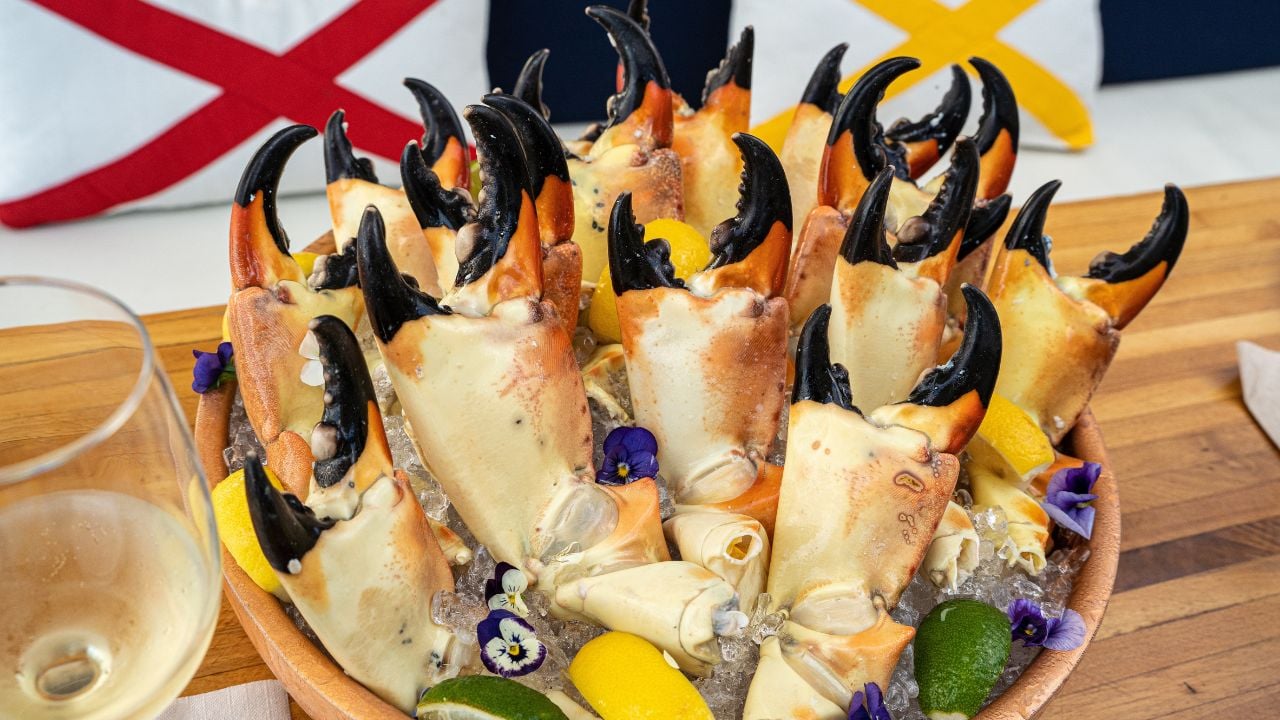
Florida’s wildlife commission opens stone crab season on October 15 every year, weeks before most seasonal residents get back.
A year-round Floridian already knows which dock gets the first claws.
These are the things Floridians do in October that snowbirds never notice.
Note: This is general information, not insurance advice. Coverage rules and binding periods are subject to change, so check the specifics with your insurer or agent.
1. Watching the Last of Hurricane Season
Florida’s hurricane season doesn’t close out until November 30, and the National Hurricane Center puts the season’s historic peak around September 10.
October is still an active month for storms.
The morning ritual for anyone who never left is the same: Check the tropics, keep water and batteries stocked, and watch the calendar until the season finally closes.
Snowbirds don’t have to.
They aren’t in Florida yet to feel any of it, so the season’s next advisory belongs to whoever’s already home.
2. Buying the First Stone Crab Claws
The Florida Fish and Wildlife Conservation Commission (FWC) opens stone crab season on October 15 every year.
For anyone who lives in Florida year-round, opening day is basically a holiday.
The wait is over.
Fish markets from Naples to Cedar Key sell out of the season’s first claws within days, months before the snowbird crowd arrives wanting the same thing.
Stone crab season runs all the way into May, but locals still talk about the opening-week claws.
What Counts as a Legal Stone Crab Claw
Florida’s stone crab claws have to measure at least 2 7/8 inches to keep.
Only the claw comes home. The crab goes back in the water to regrow what it lost.
Anyone 16 or older who wants to set traps needs a free, online recreational stone crab trap registration every year, on top of the standard one-gallon-per-person claw limit.
3. Rushing to Bind Home Insurance
Citizens Property Insurance Corporation, Florida’s insurer of last resort, spells out its binding-suspension rule in writing.
Agents can’t bind new coverage once the National Weather Service issues a tropical storm or hurricane watch for any part of Florida.
Private carriers do the same.
Every time a suspension lifts, homeowners who live in Florida year-round feel the backlog: Calling agents, finishing paperwork they’d put off during the last storm scare.
October usually brings the last of those scrambles before the season winds down for good.
A seasonal owner two states away never sees the waiting room, and never hears an agent explain why the policy stalled for a week.
4. Parking on Higher Ground for King Tides
Coastal Miami-Dade and Broward homeowners check the tide charts every October, when Florida’s King Tides push saltwater into low-lying streets even under a clear sky.
The South Florida Water Management District’s 2026 forecast puts this fall’s highest water between September 24 and October 15, with the sharpest peak running from October 22 through November 12.
Storm drains back up first.
Homeowners move cars off the lowest blocks and away from those drains before the water rises, since hours sitting in saltwater can corrode a parked car’s undercarriage.
Public works crews roll out the same temporary pumps and flood barriers at the same low intersections every year.
Residents who’ve lived through a few seasons already know which streets to skip.
Florida’s snowbird season doesn’t get moving until November, so this fall’s highest tides come and go before many seasonal residents have even booked a flight.
5. Voting Early for the November Election
Florida’s general election lands on November 3, but registered voters who live here year-round don’t wait for it.
The state’s mandatory early-voting window runs October 24 through 31, and many year-round residents make the trip to their county’s early site before Halloween even arrives.
Locals vote first.
The deadline to register for that election falls October 5, well ahead of anyone flying south for the winter.
Many snowbirds are still registered somewhere else, or they simply haven’t arrived yet.
Their ballot, if they cast one at all, usually travels by mail.
Psst! How much do you know about Florida’s snowbird history? Take our quiz and see how many you can get right.
Quiz
Florida Snowbird IQ
Answer these questions on Florida’s snowbird history and seasonal shifts. We bet you can’t get them all right. Prove us wrong?
Which classic sitcom, set in Miami, turned Florida’s snowbird retiree lifestyle into a pop-culture hit in the 1980s?
6. Dimming Porch Lights for Nesting Turtles
Many of Florida's coastal counties and cities enforce beachfront lighting ordinances built on the state's model lighting rule for sea turtles.
Those rules stay in effect through October 31, the last stretch of nesting season.
Coastal homeowners who live here all year already know the drill: Shielded fixtures, amber bulbs, curtains drawn after dark.
Darkness keeps hatchlings safe.
A stray porch light can send a hatchling wandering toward a parking lot instead of the surf.
That rule disappears November 1, right around when the first snowbirds start flipping on their patio lights without a second thought.
7. Planting a Fall Vegetable Garden
Florida's growing season runs backward compared with much of the country, and October is when gardeners across the state finally get to plant.
The University of Florida's Institute of Food and Agricultural Sciences (IFAS) lists October as one of the state's prime cool-season planting months.
Broccoli, collards, kale, and lettuce all go into the ground once the worst of the summer heat finally breaks.
Snowbirds miss the planting entirely.
Cool-season crops planted in October keep producing clear into spring, long after the harvest that started it all.
8. Idling Through the Last Manatee Zones
Many of Florida's waterways run under seasonal manatee zones from April through mid-November, so October still means idle speed for local boaters.
Boaters who run these waters year-round know exactly which stretch of the Intracoastal drops to a crawl and which one doesn't.
The manatees haven't left yet.
That patience runs out fast once the calendar flips to November 16.
Florida boats go back to open throttle well before many snowbirds arrive to notice the difference.
9. Chasing the Fall Mullet Run
Florida's mullet migrate offshore in massive schools every fall, and anglers who live here year-round plan entire weekends around the run.
Local anglers say the heaviest stretch often lands in October, once the first cold front drops the water temperature.
Snook, tarpon, and jacks follow the bait right up to the sandbar.
The fish don't wait.
Anyone who fishes here year-round already knows which beach access fills with rod holders and cast nets before sunrise.
Local tackle shops sell out of the season's best cast nets within a week of the first big push, and regulars know to call ahead instead of showing up hopeful.
Florida's commercial mullet harvest runs under its permit and season rules, separate from the bag limits recreational anglers follow along the same stretch of beach.
9 Florida Flea Market Mistakes That Mark You as a First-Timer
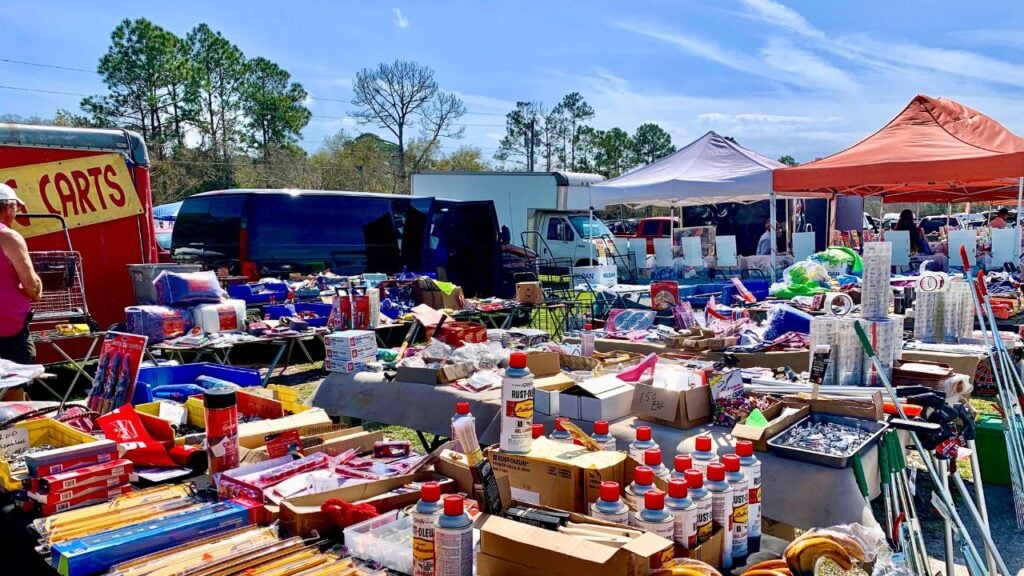
A weekly Florida flea market packs a week's worth of business into one Saturday morning.
Show up on the wrong day, and the market that fills a gravel lot the size of a county fair is nowhere to be found.
9 Florida Flea Market Mistakes That Mark You as a First-Timer
8 Things New Florida Retirees Wish They Had Planned for Besides Money

Florida retirees spend years lining up the math before they leave the office for good, from property tax bills to Medicare premiums.
Fewer of them plan for the Tuesday morning that shows up with nothing on the calendar at all.
8 Things New Florida Retirees Wish They Had Planned for Besides Money
