

9 Things Pennsylvania Landlords Can’t Legally Do to Renters in 2026

A renter in Scranton gets home from a shift, and her key doesn’t turn. Her landlord swapped the lock that afternoon over two months of unpaid rent.
She broke her lease.
He broke the law.
These are the things Pennsylvania landlords can’t legally do to renters.
Note: This is general information, not legal advice. Landlord and tenant rules are subject to change, so confirm the current details with an attorney.
1. Two Months Is the Ceiling
Before you ever hold a key, state law caps what your landlord can collect.
A security deposit can’t run past two months’ rent in your first year, and a waiver written into the lease means nothing.
Anything above that is unenforceable.
Median gross rent across the state runs $1,209 a month, which puts the ceiling on a typical place at $2,418.
In year two, the number drops to one month’s rent.
After five years in the same Allentown duplex, your landlord loses the right to raise the deposit at all.
The rent can still go up in year six.
The deposit can’t.
2. Turning Away Your Kids
A landlord who rejects a family with children just broke two laws at once.
The state’s anti-discrimination law lists familial status alongside race, religious creed, ancestry, sex, national origin and disability, and the federal Fair Housing Act covers it too.
An ad that says adults only breaks the rule before anyone picks up the phone.
So does a leasing office that steers every family with a stroller toward the back building.
Quote a family a bigger deposit for the identical apartment, and you’re in the same territory.
Housing built and marketed for older residents is the narrow exception, and it has to meet a legal definition.
Two agencies take that complaint: The Pennsylvania Human Relations Commission and the U.S. Department of Housing and Urban Development.
3. Cutting Your Heat and Water
Picture a January cold snap in Erie and a landlord who decides the quickest way to empty an apartment is to phone the gas company.
That’s an illegal eviction.
It makes no difference whose name is on the account, or what you owe.
The utility company can’t take that order from a landlord either.
When your landlord pays the bill and then stops, the utility company has to warn you at least 30 days before the heat goes out.
You can step in and pay the utility company yourself, and you owe only the most recent 30-day bill.
The unpaid pile your landlord left behind stays their problem.
Every dollar you hand the utility company that way comes straight off your rent.
4. Changing Your Locks
Lawyers call it self-help eviction, which means the landlord does the removing instead of the court.
In Pennsylvania that’s illegal, however many months of rent you owe.
No swapping locks, no pulling the door off, no stacking your couch at the curb.
That’s a constable’s job.
An eviction starts with a written notice to quit, usually ten days for unpaid rent and fifteen or thirty days for anything else.
A written lease can shorten that notice or drop it altogether, so read yours.
Next comes a hearing before a magisterial district judge, the local court that handles landlord and tenant cases.
Only when the landlord wins does the court issue a writ of possession, the order that sends a constable out to move you.
Here’s the part almost nobody knows: In a case that’s purely about back rent, you can stop the whole thing by paying what you owe plus the costs, right up until the constable arrives.
Pay at the door, and you stay.
5. Sitting on Your Deposit
Your security deposit stays yours the day you hand back the keys, minus whatever you broke.
Your landlord gets thirty days from the end of the lease to send you a written, itemized list of damages.
Miss that deadline, and they forfeit the right to hold back a cent of it.
The bigger penalty is separate: If they don’t pay back the part of your deposit that exceeds the real damage inside those same thirty days, you can sue for double that difference.
One catch protects the landlord: Without your new address in writing, you lose everything this section would have handed you.
Write it down.
Escrow means the money sits in a separate bank account instead of your landlord’s pocket, and any deposit over $100 belongs there.
After two years you start collecting that interest, minus one percent your landlord keeps, so a $2,400 deposit earning 3% pays you about $48 in year three instead of $72.
Normal wear on a carpet isn’t damage, and a landlord can’t waive that protection in the lease.
Psst! Think you know what Pennsylvania law says about renting? Tap each card below and see how many you call right.
6. Renting You a Wreck
Every Pennsylvania lease carries an implied warranty of habitability, typed into it or not.
The state Supreme Court built it into residential leases in 1979, and no landlord can waive it.
Habitable means working heat, safe wiring, drinkable water, a roof that keeps rain out, and no pests in the walls.
Cosmetic gripes don’t clear the bar, so a scuffed floor or a dated stove in a Wilkes-Barre row home won’t get you far.
Put it in writing first.
Give your landlord reasonable time, then take your pick of three moves: You can repair it yourself and deduct the cost from rent, park your rent in a separate bank account until the work gets done, or end the lease and walk.
7. Charging for Your Service Animal
Two laws stand behind a service animal, and they do different jobs.
Pennsylvania’s anti-discrimination law bars a landlord from refusing to lease to you over a guide or support animal, and it protects handlers and trainers too.
It stops there on money.
The rule that keeps the animal free of charge is federal, and it comes out of the Fair Housing Act.
The U.S. Department of Housing and Urban Development treats waiving a pet deposit as a reasonable accommodation, the legal term for bending a rule so a disability doesn’t cost somebody their housing.
No pet rent either.
Pennsylvania’s support-animal wording is built around a physical handicap, so an emotional support animal for a mental disability rides on the Fair Housing Act instead.
A no-pets building still has to make room, and your landlord can ask for documentation when the need isn’t obvious.
8. Tossing What You Left
Move out of a Bucks County rental and leave a couch behind, and your old landlord can’t just back a dumpster up to the curb.
The Landlord and Tenant Act lays out the steps, and there aren’t many.
Your landlord has to mail written notice to the property and to any forwarding address they have.
You have ten days from that postmark to collect your belongings or ask your landlord to hold them.
Ask, and they store everything for up to thirty days counted from that notice, so the ten days you already burned come out of the same thirty.
Skip a step and a landlord owes treble damages, meaning three times what your belongings were worth, plus your attorney fees and court costs.
Check your lease, though.
This is the one part of the Act a written lease can override, so a clause about abandoned property beats the statute unless a protection from abuse order applies.
9. Punishing You for Speaking Up
Say the heat quits in an Allentown duplex in February after your landlord stops paying the gas bill, so you pay the utility company and take it off your rent.
Three weeks later, a rent increase shows up in your mailbox.
Serve a termination notice, raise the rent, or substantially change the lease within six months of a renter using those utility rights, and the judge starts from the presumption that it was payback.
Your landlord can push back, but only by showing a lawful reason like unpaid rent.
Lose that fight and they owe two months’ rent or your actual damages, whichever runs higher, plus your legal fees.
Keep the dates.
A second rule comes with no money attached: A landlord can’t end or refuse to renew a lease because a renter joined a tenants’ organization.
It’s a flat ban with no penalty written under it, worth knowing before your building starts meeting in somebody’s kitchen.
Psst! How much do you know about the history of renting in America? Take our quiz and see if you can ace it.
Quiz
Housing History Pop Quiz
Answer these questions on Levittown, tenements, and the history of renting in America. We bet you can’t get them all right. Prove us wrong?
Levittown, Pennsylvania went up so fast that its builder finished a new house how often?
Extra Rules Inside Philadelphia
Most of what you just read comes from state law, so it applies the same in Erie and in Altoona.
The service animal rule and part of the discrimination rule are federal. Those two follow you into any state.
Philadelphia's City Council has added its own ordinances on top, and they end at the city line.
City law there bans self-help eviction by name.
The city's Fair Housing Commission can order a landlord to let a locked-out tenant back in, then fine them on top of that.
Philadelphia landlords also owe every new tenant a Certificate of Rental Suitability and the city's housing handbook at lease signing.
They can't turn down housing vouchers either, which the city's Fair Practices Ordinance treats as source-of-income discrimination.
Pittsburgh tried and lost.
Council members there passed a voucher ordinance in 2015, and Pennsylvania's Supreme Court struck it down in October 2021, ruling the city had reached past its authority.
So a landlord in Pittsburgh's Lawrenceville can still wave a housing voucher off, while their counterpart in Philadelphia's Fishtown can't.
Philadelphia's ordinance covers the listing as well as the lease, so an ad that says no Section 8, or that an applicant must hold a job, breaks that same city law.
9 Pennsylvania Laws Newcomers Break Without Knowing

Pennsylvania runs on a handful of rules that don't exist a state or two over.
None of them feel illegal, which is exactly how transplants rack up their first citation.
9 Pennsylvania Laws Newcomers Break Without Knowing
9 Pennsylvania Foods Outsiders Are Afraid to Try
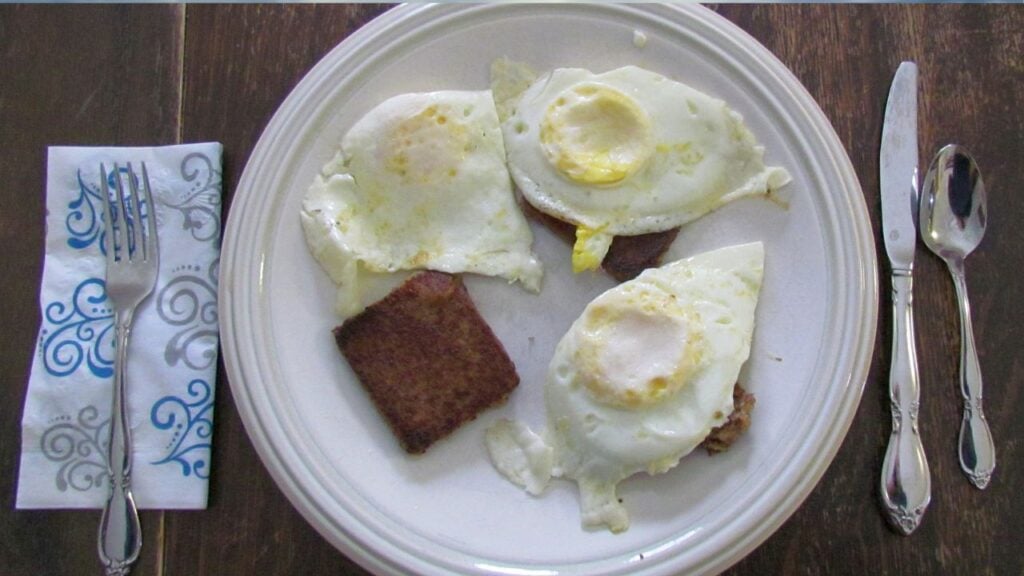
Pennsylvania Dutch cooks have been stuffing a cleaned pig's stomach with potatoes and sausage since before the Revolution.
Outsiders flinch at the name alone, and locals keep ordering it anyway.
9 Pennsylvania Foods Outsiders Are Afraid to Try (but Locals Swear By)
